[ad_1]
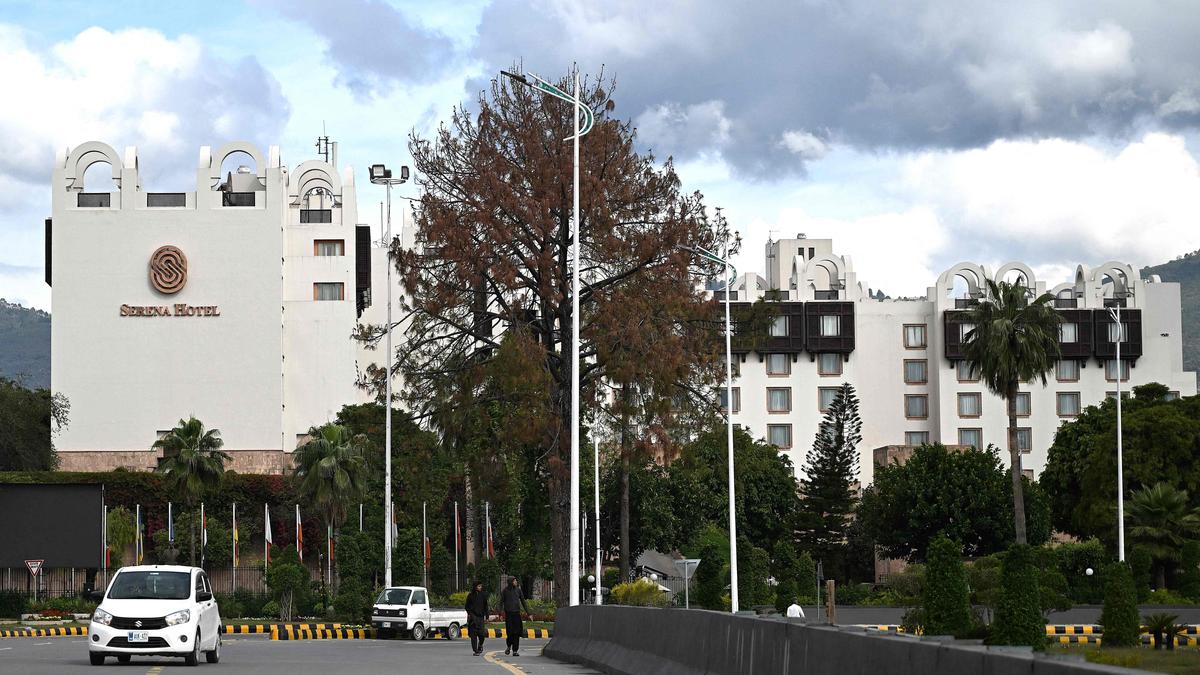
The Serena Hotel, which is the expected venue for US–Iran talks, in the Red Zone area of Islamabad on April 9, 2026. Pakistan has been preparing for talks involving representatives from the US and Iran over the West Asia war.
| Photo Credit: AFP
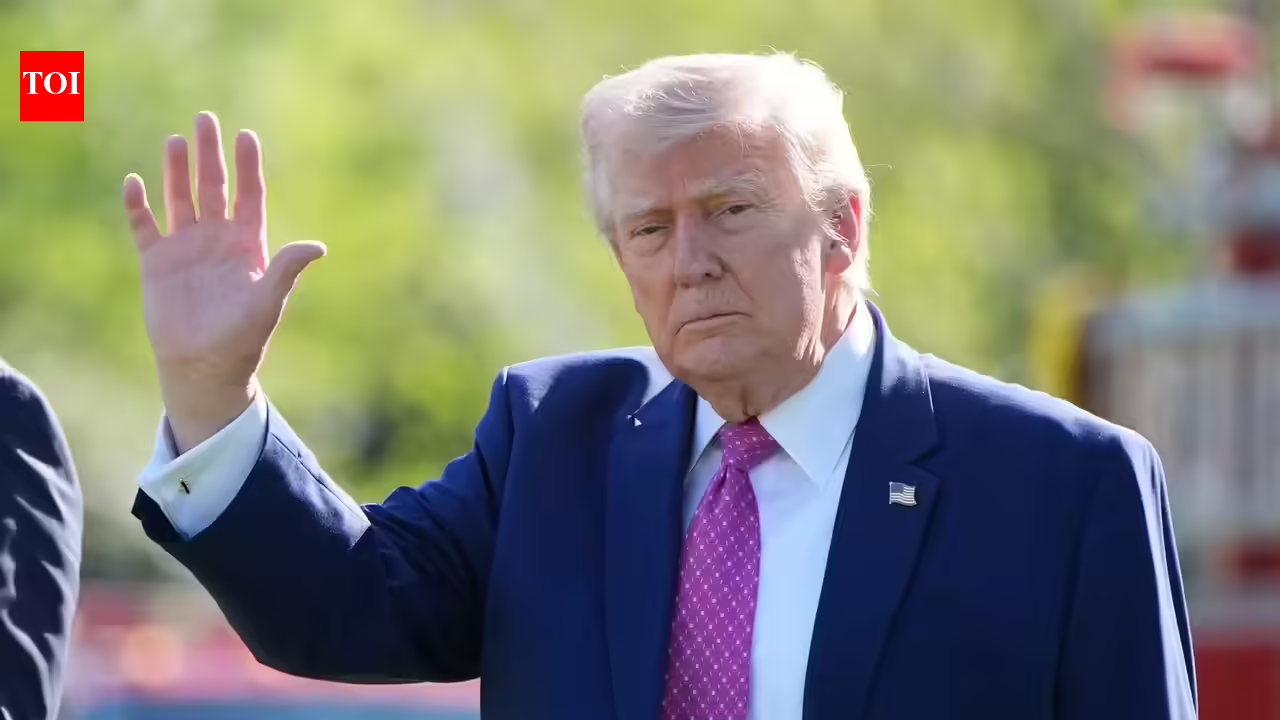
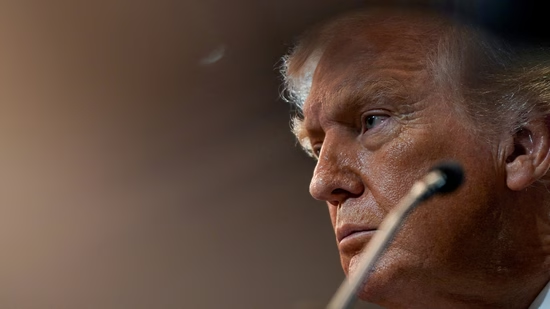
It took only hours for the U.S.-Iran ceasefire, announced by President Donald Trump on Wednesday (April 8, 2026), to drift into uncharted territory.
Mr. Trump said the truce would take effect immediately subject to Iran reopening the Strait of Hormuz, and future talks would be held based on Iran’s 10-point proposal. Tehran said it would honour the ceasefire and allow “safe passage” of tankers through the Strait. Pakistan, which mediated the deal, said the ceasefire applied on all fronts, including Lebanon. But there was a catch: for the ceasefire to prevail in Lebanon, Israel would have to halt its bombing and ground invasion. Prime Minister Benjamin Netanyahu is not ready for that — not yet.
Published – April 09, 2026 03:26 pm IST
[ad_2]