[ad_1]
With the Middle East conflict teetering on the edge of a wider escalation, the United States, Iran and a set of regional intermediaries are scrambling to finalise terms for a proposed 45-day ceasefire. Multiple sources familiar with the backchannel talks told Axios that the effort is underway, but the window for a breakthrough is rapidly closing.
Officials involved in the discussions indicated that the chances of even a limited agreement within the next 48 hours are very slim. Yet, diplomats see this as the final opportunity to avert a major escalation that could trigger large-scale strikes on Iranian civilian infrastructure and provoke retaliatory attacks on critical energy and water facilities across Gulf nations.
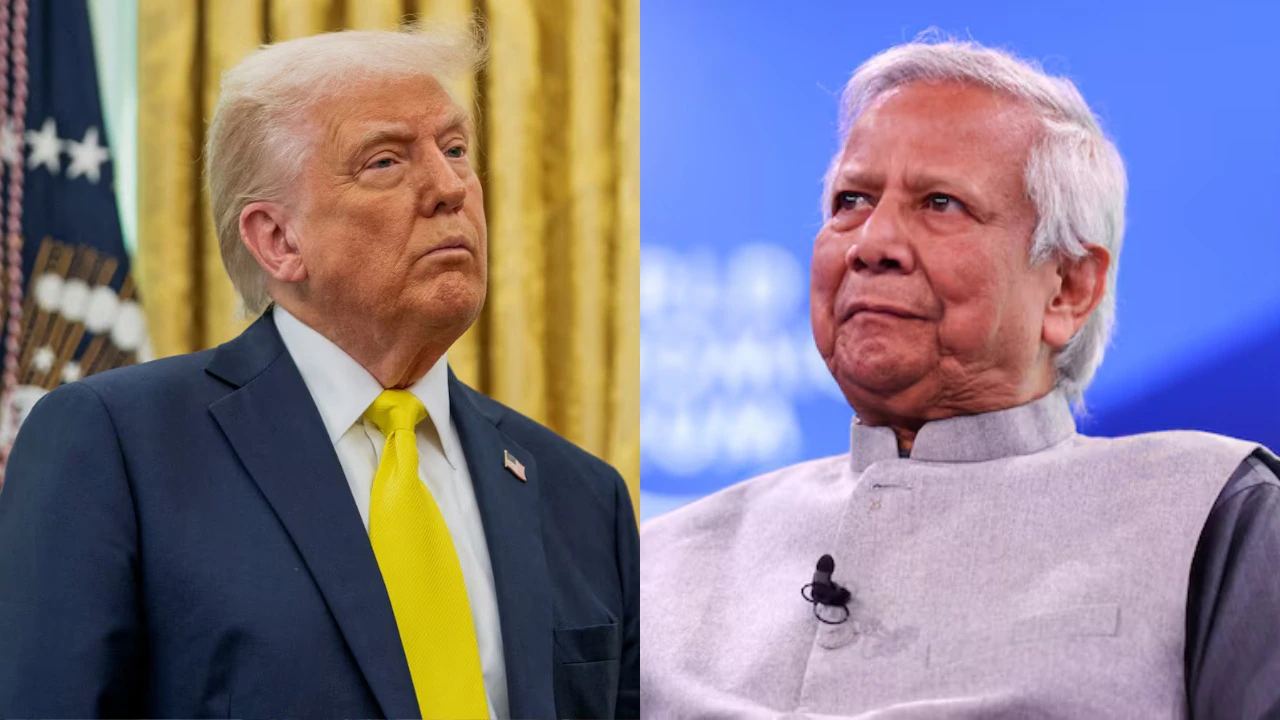
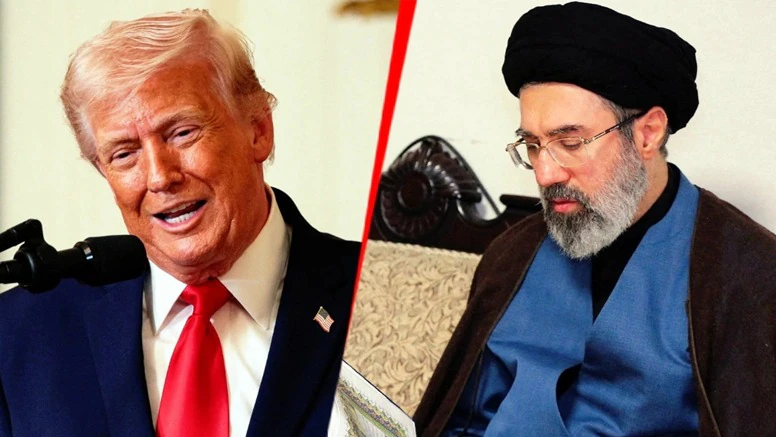
The urgency has been sharpened by United States President Donald Trump’s deadline to Tehran. Originally set to expire Monday evening, the timeline was extended by 20 hours, with a new cutoff set for Tuesday, 8 pm ET. Trump said negotiations were ongoing and suggested a deal was still within reach, but paired that with a stark warning of sweeping military action if talks collapse.
“If they don’t come through, if they want to keep it closed, they’re going to lose every power plant and every other plant they have in the whole country,” Trump said in a recent interview with The Wall Street Journal. Yesterday, the United States President also warned Iran to open Hormuz within 48 hours or “hell will rain down on them”.
Behind the scenes, mediation efforts are being routed through Pakistan, Egypt and Turkey, alongside direct message exchanges between Trump’s envoy Steve Witkoff and Iranian Foreign Minister Abbas Araghchi. A US official informed Axios that Washington has floated several proposals in recent days, none of which have been accepted so far by Tehran.
The framework under discussion involves a two-stage arrangement. The first phase would establish a 45-day ceasefire, during which both sides would attempt to negotiate a permanent end to hostilities in Iran and across the Middle East. This temporary truce could be extended if talks require more time. The second phase would aim to formalise a broader agreement to end the war altogether.
However, the key sticking points remained unresolved. Mediators believed that a full reopening of the Strait of Hormuz and a resolution over Iran’s stockpile of highly enriched uranium, either through removal or dilution, are likely achievable only as part of a final deal, not during the initial ceasefire phase.
Iranian officials have conveyed deep scepticism, warning they do not want a repeat of situations like Gaza or Lebanon, where ceasefires have failed to prevent renewed strikes. According to Axios, Tehran is unwilling to surrender its primary leverage — control over Hormuz access and its uranium stockpile — in exchange for what it sees as a short-term arrangement.
The risks of failure are stark. Officials involved in the mediation warn that any US-Israeli strike on Iran’s energy infrastructure could prompt severe retaliation targetting oil and desalination facilities in Gulf countries, with potentially devastating regional consequences.
Even as negotiations continued, public messaging from Tehran remained uncompromising. Iran’s Revolutionary Guards naval wing said the situation in the Strait of Hormuz would “never return” to pre-war conditions, particularly for the US and Israel.
Days ago, Iran told a group of the Pakistan-led mediator’s team that it is unwilling to meet US officials for negotiations in Islamabad, calling Washington’s proposal ‘unacceptable’, according to The Wall Street Journal.
– Ends
Tune In
[ad_2]