[ad_1]
As digital services expand in the public sector, container security for government infrastructure, including approaches supported by Minimus, is becoming harder to separate from the systems that support communication, content and citizen engagement. What used to sit quietly in the background, things like hosting environments and deployment pipelines, is now part of the conversation.
Government teams are using more tools that resemble commercial marketing technology. Content platforms, analytics dashboards and campaign systems are all part of the mix. They help deliver information quickly and at scale. But behind those tools, containerized infrastructure is doing much of the work and that layer brings its own set of risks.
A lot of container images still carry more than they need. Extra packages, leftover dependencies and full system layers tend to stick around even when they are not useful. Over time, that builds up into something harder to manage. Security teams end up chasing issues, while developers try to keep things moving. It’s not always a clean balance.
The expanding role of martech in government digital services
Marketing technology in government has shifted quite a bit in recent years. It’s not about sending updates or managing static pages. There’s a stronger focus on interaction now. Agencies are using platforms that track engagement, personalise content and connect multiple services together.
To support that, infrastructure has had to adapt. Containers make it easier to scale these systems and connect different tools without rebuilding everything from scratch. That flexibility is part of the reason they’ve become so used.
The data involved is often sensitive. That changes the stakes. A disruption is one thing, but exposure of personal data is another. The risk profile is different compared to many private sector setups.
The broader pressure shows up in the numbers as well. A 2025 report noted that 72% of organisations saw an increase in cyber risk over the previous year. That doesn’t point to a single issue, but it does suggest that the environment is becoming more difficult to manage.
Security risks in containerised government marketing platforms
Containers are useful, but they are not automatically secure. Much depends on what goes into the image in the first place. If an image includes components that are not needed, those components can still introduce vulnerabilities.
In a government setting, that can have wider effects. Systems are often connected, so a problem in one area can carry in to others. It’s rarely isolated.
There is also the question of visibility. Teams rely on scanning tools to flag issues, but those tools don’t always catch everything. A 2024 report found that 91% of container runtime scans fail to detect issues effectively. That doesn’t mean scanning should be ignored, but it does suggest it can’t do all the work on its own.
When gaps like that appear, they tend to show up later, sometimes after deployment. That leads to extra patching, more monitoring and in some cases, unexpected downtime. None of that fits well with systems that are expected to remain stable and accessible.
Why minimal and compliant container images are gaining adoption
Because of this, there’s been a gradual move toward smaller, more controlled images. Instead of building on large, general-purpose bases, teams are trimming things down to what is actually required. It sounds simple, but it changes how the system behaves.
With fewer components, there are fewer places for vulnerabilities to hide. Updates become more manageable. When something needs fixing, it’s easier to identify what’s affected.
There’s also a compliance side to this. Government systems often need to meet specific standards, particularly around encryption and data handling. When images are built with that in mind, the process of checking and validating them becomes more straightforward.
The is where container security for government infrastructure becomes more practical, especially with solutions like Minimus that focus on minimal images and reducing CVE exposure early in the build process. Using secure minimal container images can help with that balance. They don’t remove the need for oversight, but they reduce the amount of noise teams have to work through.
The wider threat landscape adds another layer to the picture. Reports in 2025 showed that ransomware complaints tied to critical infrastructure rose by 9%. That kind of pressure tends to push teams toward approaches that reduce complexity not add to it.
Integrating secure containers into government martech workflows
As these changes take shape, they are starting to influence how systems are put together day to day. Container security is not something added later. It’s becoming part of the build process itself, particularly as marketing platforms become more dependent on secure infrastructure.
In practical terms, smaller images move through pipelines more quickly. They are easier to replicate, which helps when services need to scale or be redeployed. It also makes environments more consistent, which reduces surprises.
When issues come up, there’s less to work through. Fewer dependencies mean fewer things to check. That can make a difference, especially in systems where several services are linked together.
It also improves visibility. When a container only includes what it needs, it’s easier to see what’s running and why. That clarity helps teams stay in control, not reacting after something goes wrong.
Marketing platforms in government are now tied more closely to the infrastructure beneath them. They rely on it in ways that weren’t as obvious before.
As a result, decisions made at the container level are starting to carry more weight. Keeping images smaller and more focused won’t solve every issue, but it does remove some of the unnecessary complexity. In systems where reliability and trust matter, that’s becoming harder to overlook.
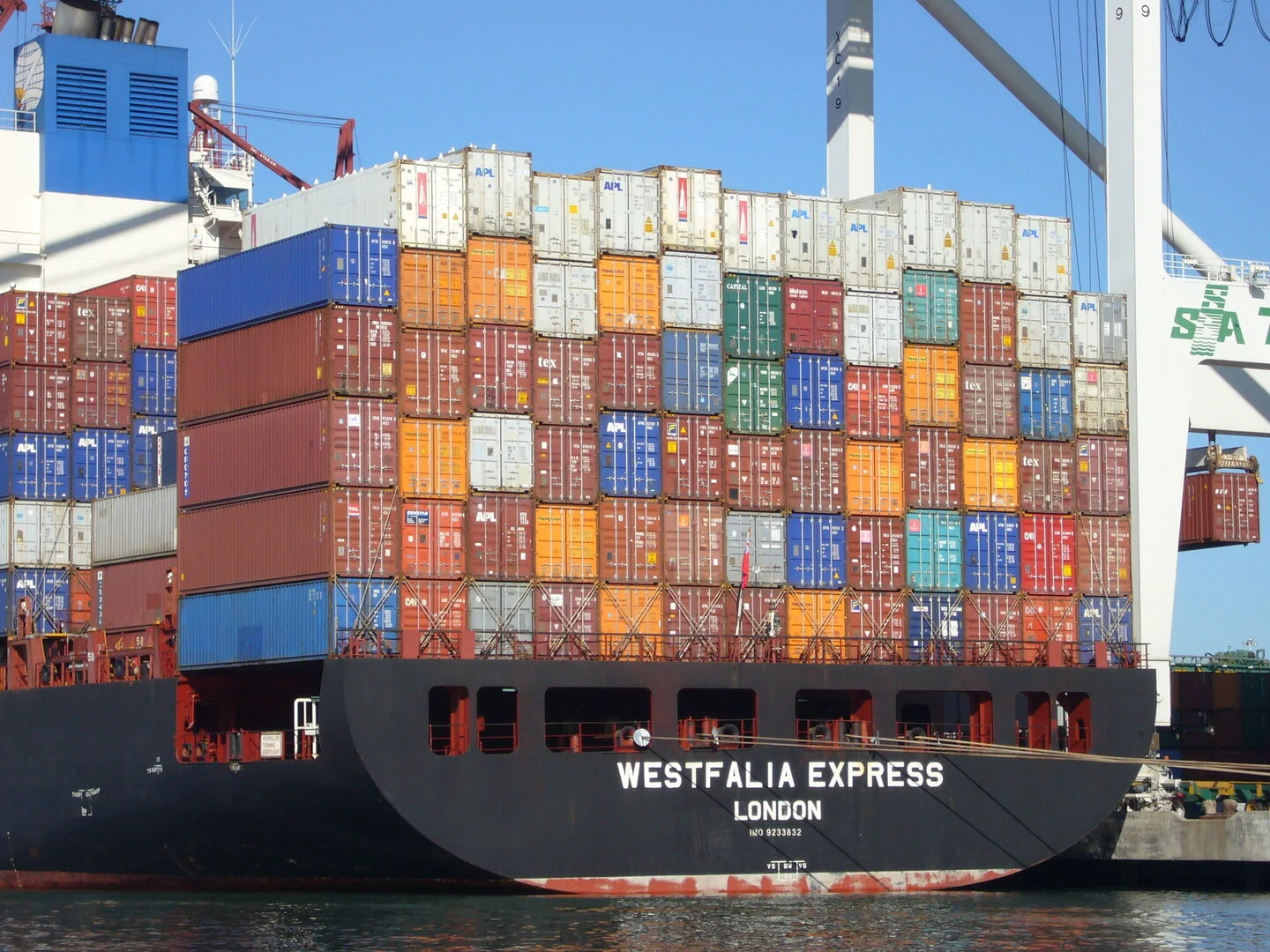
(Image source: “Containers” by Jim Bahn is licensed under CC BY 2.0. To view a copy of this license, visit https://creativecommons.org/licenses/by/2.0)
Find out more about the Digital Marketing World Forum series and register here.
[ad_2]