[ad_1]
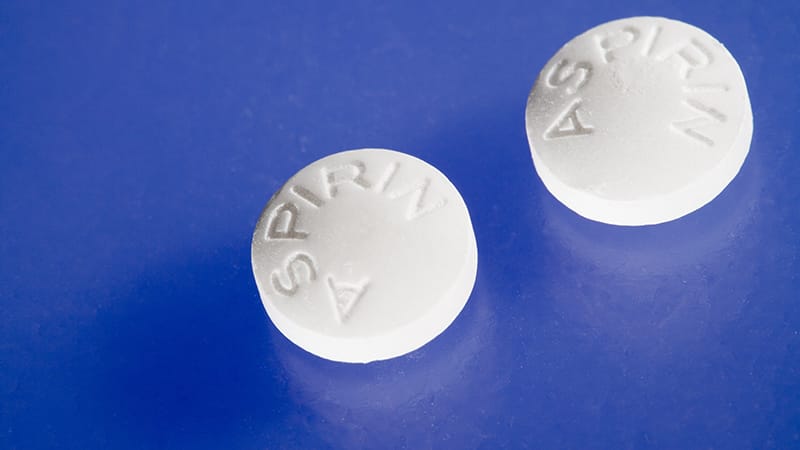
About 75% of pregnant patients at risk for preeclampsia are not taking low-dose aspirin, the recommended preventive treatment, according to research presented at the American College of Cardiology (ACC) Scientific Session 2026 in New Orleans.
Despite meeting high- or moderate-risk criteria for preeclampsia, only 24% of eligible women had a documented directive or prescription for the medication, despite its relative affordability and few potential side effects.
“The trends are alarming,” said Emily Lau, MD, MPH, director of the Women’s Heart Health Program at Brigham and Women’s Hospital in Boston, who led the study. “The majority of women who are eligible for getting aspirin are not getting this important preventive therapy.”
Preeclampsia occurs in up to 8% of pregnancies and is a leading cause of maternal death. But predicting who will develop the condition is challenging because risk factors are varied and common. Moderate-risk factors include obesity, hypertension, low income, and age over 35.
In addition to immediate maternal complications, Lau said women who have preeclampsia are also at a greater risk of developing cardiovascular disease.
In 2014, the US Preventive Services Task Force began recommending low-dose aspirin (81 mg/d) for women after 12 weeks of gestation, and the American College of Obstetricians and Gynecologists made the same recommendation in 2018.
Lau and her team analyzed the electronic health records of pregnant patients who delivered within the Mass General Brigham healthcare system in New England between 2013 and 2023 for the cohort study. They categorized 30,767 pregnancies (21,326 women) as high risk for preeclampsia based on having one or more high-risk factors or two or more moderate-risk factors. The team then looked at medications that patients were prescribed or directed to take.
The findings showed a moderate jump in the number of women prescribed aspirin between 2013 and 2019, from 4% to 13% for those classified as high risk. As of 2023, 24% of at-risk patients were taking aspirin as documented by a prescription or order for an over-the-counter version.
Lau said the multitude of seemingly innocuous risk factors may contribute to why aspirin prescription rates are so low.
“You could have a 35-year-old Black marathoner who has no other medical conditions, is super healthy, and she still would be considered high risk and be indicated for aspirin prophylaxis,” Lau said. But this patient may be missed by a clinician “when you’re in a busy obstetrics practice.”
Desensitization to risk might also contribute to low rates, said Alexandra Edwards, MD, maternal and fetal medicine physician at Mercy, a health system in St. Louis.
“Patients who carry extra weight tend to be at higher risk [for preeclampsia], but at this point, my average patient is obese,” Edwards said. “You can get numb to the risk factors if you see them day in and day out.”
Lau said one solution could be to create systems that remind clinicians of the need to prescribe aspirin when risk factors are present.
Edwards said clinicians in her network see a “best practice advisory” with a reminder to prescribe aspirin before signing out of the patient’s medical chart.
Another contributing factor may be clinicians’ tendency to limit exposure to any medication during pregnancy, Edwards said.
Lau said clinicians should look at their own electronic record systems and ensure patient risks are being captured accurately and that they follow guidelines to improve preeclampsia prevention.
“It is inexpensive, it is easy to take, it’s pretty low risk, and yet, over almost three quarters of women who would qualify are not receiving this important intervention,” Lau said. “Clearly, we have to do a better job across the board.”
Lau reported receiving grant funding from the National Institutes of Health, the American Heart Association, the Massachusetts Life Sciences Center, among others. Edwards reported having no financial conflicts of interest.
Kelsey Mesmer, PhD, is a freelance journalist and journalism professor at Saint Louis University in St. Louis.
[ad_2]