[ad_1]
By Dr Tulika Seth
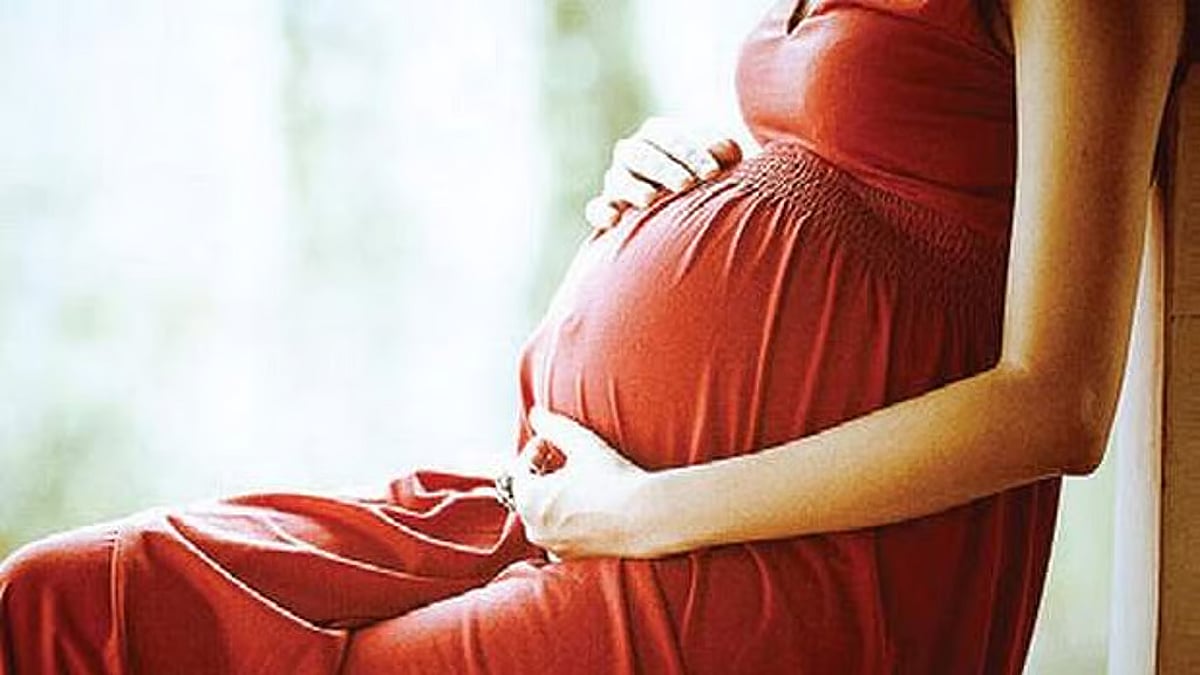
Women in India today face a risk that is both widespread and severely underestimated. The problem is described, fittingly, as khoon ki kami, or ‘a deficiency of blood,’ which reflects two parallel and competing problems. The first is anaemia, where levels of oxygen-carrying haemoglobin in the blood fall, affecting physical and cognitive health. In pregnancy, this could be fatal. A second, related threat is the sometimes unavailability of blood in our health system, causing problems when these women need these transfusions the most.
These are not separate problems. They are two sides of the same emergency. More than half the women of reproductive age in India are anaemic (57%), as are over half of pregnant women (52%). Thousands of women enter pregnancy with anaemia and when there is a need of immediate transfusion, specifically in cases of postpartum haemorrhage (massive uncontrolled bleeding at the time of delivery), the blood may not be available. This turns a routine childbirth, which is a physiological normal state, into a high-risk event for many families.
[ad_2]