[ad_1]
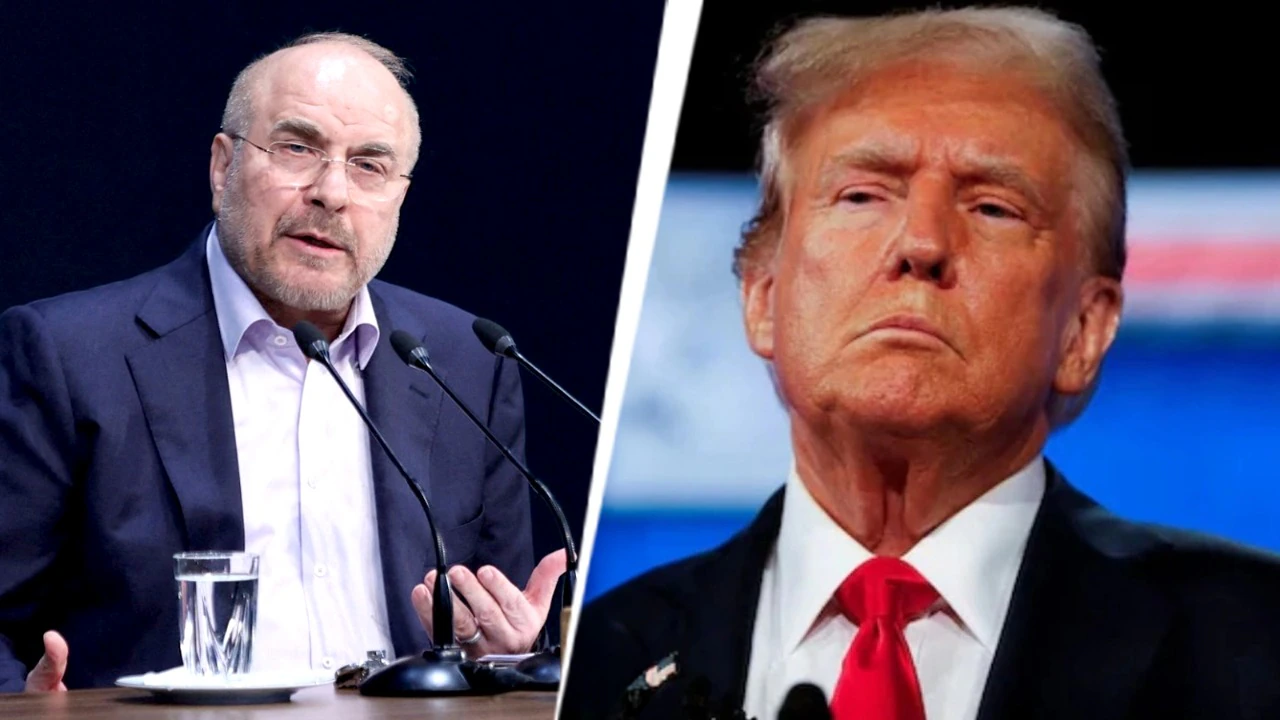
Tensions between Iran and the US escalated sharply as Iran’s top negotiator and parliamentary speaker Mohammad Baqer Ghalibaf accused Donald Trump of undermining diplomacy with threats and ceasefire violations, warning that Tehran would not negotiate under pressure.
In a post on X, Ghalibaf said Washington was attempting to turn negotiations into a “table of surrender” and cautioned that Iran had prepared to unveil “new cards on the battlefield” if tensions escalate further.
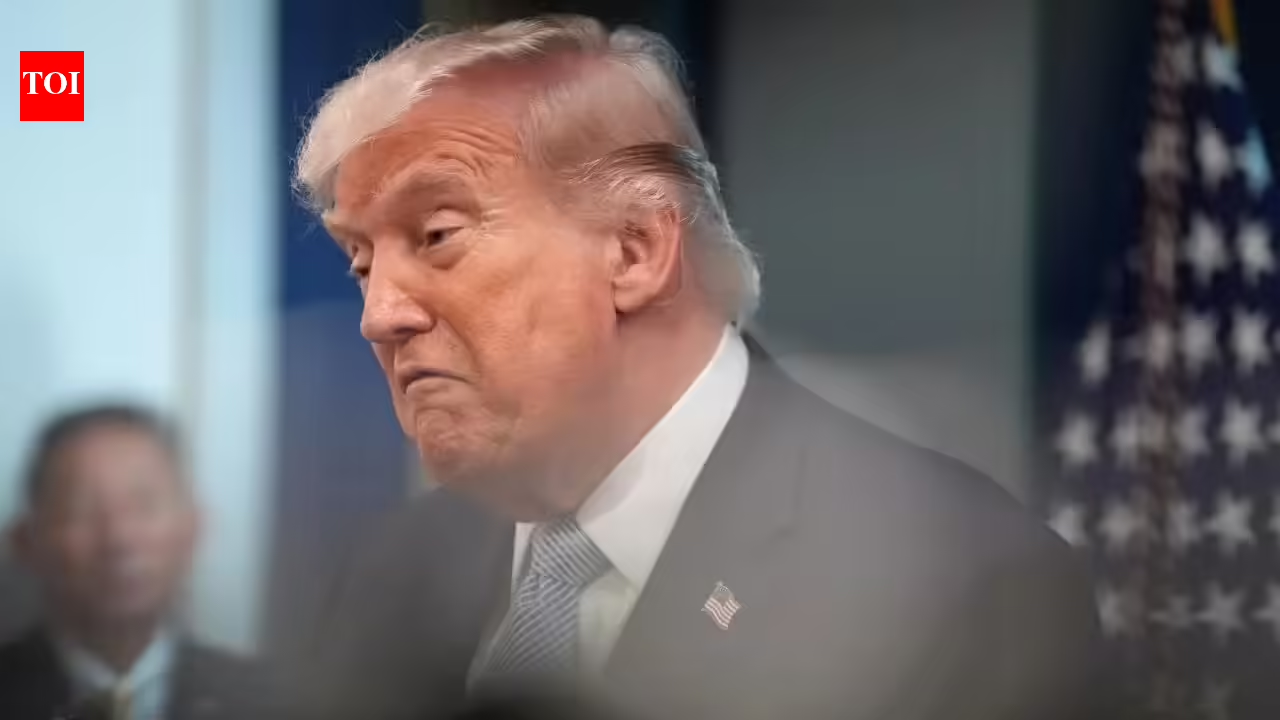
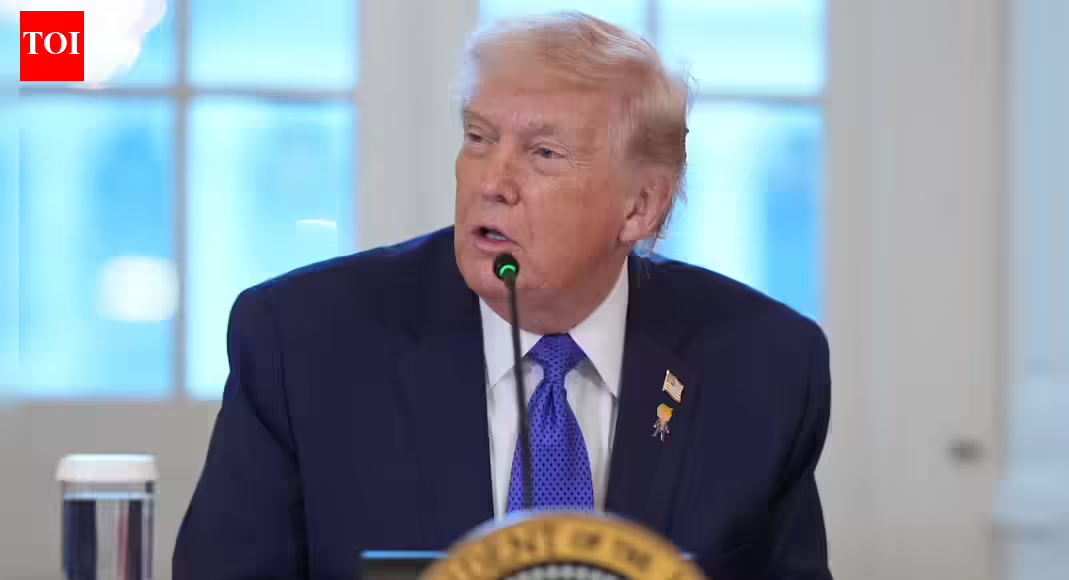
His remarks came after Trump issued a stark warning ahead of the April 22 deadline for the fragile two-week ceasefire. Speaking to PBS News, Trump said that if no breakthrough is reached, “then lots of bombs start going off,” underscoring the high stakes surrounding the next round of talks scheduled in Islamabad.
The US President expressed uncertainty about Iran’s participation in the negotiations, stating that while both sides had agreed to attend, Tehran’s presence was not guaranteed. He added that the US delegation would proceed regardless, signalling Washington’s readiness to continue diplomatic efforts or shift course if talks collapse.
The standoff unfolds amid deep divisions over Iran’s nuclear program and ongoing disruptions in the Strait of Hormuz, a critical global energy route. Although the temporary truce has halted direct hostilities, mistrust continues to dominate the diplomatic landscape.
Iranian state media suggested Tehran may skip the upcoming talks, citing what it described as Washington’s excessive demands and inconsistent positions.
DOUBTS ON CREDIBILITY
Iran has cast doubt on the credibility of the ongoing diplomatic process, citing recent US actions. In a call with Pakistan’s Foreign Minister Ishaq Dar, Iranian Foreign Minister Abbas Araghchi said “provocative actions and repeated ceasefire violations” by Washington remain major obstacles.
He highlighted alleged threats and interference targeting Iranian commercial vessels, along with what he described as contradictory positions and escalating rhetoric from the US. Araghchi said Tehran would review “all aspects” before deciding its next steps, without confirming participation in the proposed talks in Islamabad.
DEEP ROOTED MISTRUST
Earlier, Iranian President Masoud Pezeshkian reaffirmed Tehran’s firm stance against US pressure, warning that deep-rooted mistrust continues to undermine prospects for meaningful dialogue between the two countries.
In a post on X, Pezeshkian said that adherence to commitments is essential for any negotiations, but accused Washington of sending contradictory and unconstructive signals in recent days. He suggested these mixed messages reflect an attempt to force Iran into submission — a notion he strongly rejected.
“Honouring commitments is the foundation of any meaningful dialogue,” he wrote, adding that longstanding distrust toward US government conduct remains deeply embedded in Iran’s political outlook.
Pezeshkian further stated that recent actions and rhetoric from American officials convey a “bitter message” that they are seeking Iran’s surrender. He stressed that such an approach would not succeed, asserting that the Iranian people would not yield to coercion.
With the ceasefire deadline approaching, both nations remain locked in a volatile impasse, raising fears of renewed conflict if diplomatic efforts fail.
– Ends
Tune In
[ad_2]