[ad_1]
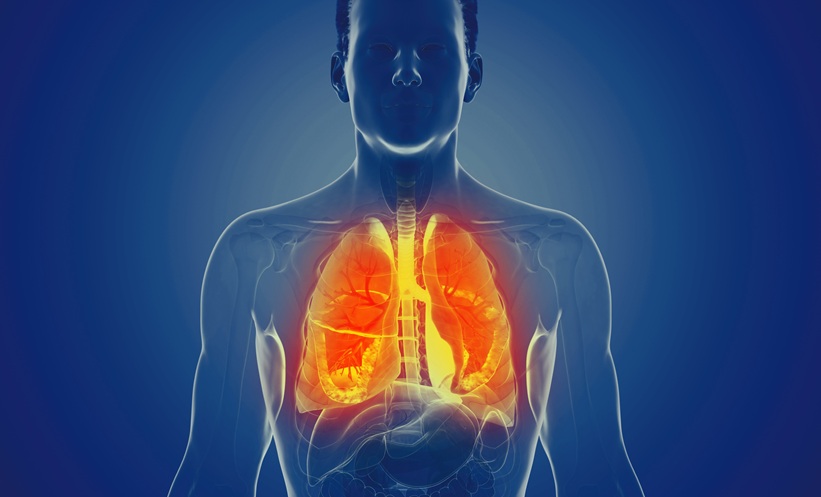
A NOVEL inhaled treatment targeting lung inflammation may help patients recover faster from severe respiratory infections, according to new preclinical research.
Reducing Lung Inflammation After Infection
Severe infections such as influenza, COVID-19, and pneumonia can trigger an excessive immune response, leading to persistent lung damage even after the infection has cleared.
Lung inflammation occurs when the body’s immune system overreacts, causing fluid leakage into the air sacs and impairing oxygen exchange. In serious cases, this can progress to acute respiratory distress syndrome (ARDS), a life-threatening condition marked by widespread inflammation and respiratory failure.
Targeting a Key Driver of Lung Injury
The new therapy focuses on Angiopoietin-like protein 4 (ANGPTL4), a molecule that rises during inflammatory stress and contributes to increased vascular permeability and lung tissue damage. By reducing ANGPTL4 activity, the treatment aims to limit fluid leakage, inflammation, and subsequent scarring.
Unlike systemic therapies, the treatment is delivered directly into the lungs via inhalation, similar to asthma medications. This localised approach allows higher drug concentrations at the site of injury while minimising systemic exposure and potential side effects.
Promising Preclinical Results
In preclinical models of bacterial pneumonia and viral influenza, the inhaled therapy reduced lung inflammation and fluid build-up. It also showed benefits in models of pulmonary fibrosis, decreasing lung scarring and improving respiratory function.
Early safety studies indicated that the therapy largely remains within the lungs after inhalation, supporting a favourable safety profile. The programme is now progressing towards advanced preclinical testing and regulatory preparation for clinical trials.
Implications for Clinical Practice
For clinicians, managing post-infectious lung inflammation remains challenging, particularly in patients with severe pneumonia or viral infections. Current treatments, such as corticosteroids, have variable effectiveness depending on the underlying cause.
This targeted approach may offer a more precise way to modulate harmful inflammation while preserving essential immune responses. If confirmed in clinical trials, it could provide a new option for reducing complications such as fibrosis and prolonged breathlessness.
Given the substantial global burden of respiratory infections, therapies that address ongoing lung inflammation could play an important role in improving recovery and long-term outcomes.
Reference
Nanyang Technological University (NTU) Singapore. New inhaled therapy to reduce lung damage from severe infections. Available at: https://www.ntu.edu.sg/news/detail/new-inhaled-therapy-to-reduce-lung-damage-from-severe-infections. Last accessed: 14 April 2026.
Featured image: Sebastian Kaulitzki on Adobe Stock
[ad_2]