[ad_1]

Asthma does not always begin with a dramatic attack. In many cases, it builds slowly, shaped by the spaces people live in every day. While polluted outdoor air often gets the blame, what lingers indoors can be just as harmful, if not more.As Dr Mohit Kaushal, Senior Consultant, Pulmonology and Critical Care, Fortis Hospital Mohali, explains, “Outdoor air pollution is one of the leading causes of breathing problems in young individuals. But the air inside your homes may be just as guilty and far less talked about. Your home may actually be harbouring a range of pollutants and allergens that often go unnoticed.”He adds, “Many people don’t realise that prolonged exposure to indoor allergens can make the lungs more sensitive, creating a breeding ground for asthma to develop without being detected until it’s too late.”A report by the World Health Organization notes that indoor air pollution contributes significantly to respiratory illness worldwide.So what exactly hides inside homes and triggers asthma without warning? Here are seven often-missed culprits, and what can be done about them.
Dust mites : The unseen residents in your bed
Dust mites thrive where people feel most comfortable, mattresses, pillows, carpets. They feed on dead skin cells and leave behind waste that irritates airways.These particles are so fine that they float easily in the air and enter the lungs without notice. For someone already sensitive, this can mean frequent coughing or tightness in the chest, especially at night.A practical fix works well here. Wash bedding weekly in hot water and use allergen-proof covers. It may sound simple, but it reduces exposure more than most realise.
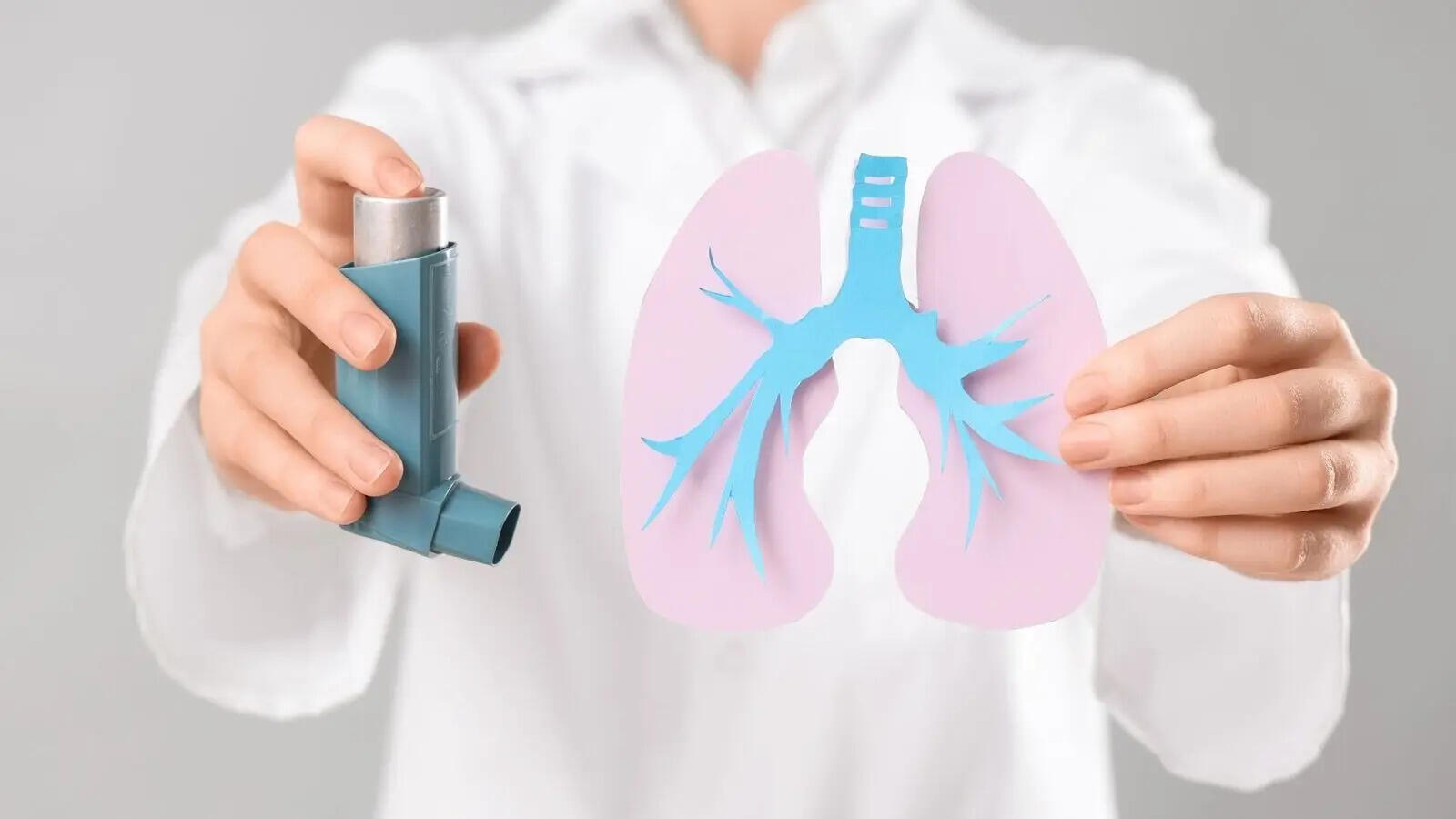
Everyday indoor elements like dust mites, pet dander, incense smoke, detergent residue, mould, pests, and chemical fragrances can slowly trigger or worsen the condition.
Pet dander : Love comes with a cost
Pets bring comfort, but their skin flakes and fur carry proteins that can trigger asthma. These particles stick to clothes, walls, and furniture for months.Over time, exposure can reduce lung function in sensitive individuals. Many do not connect mild breathlessness with their pets, which makes this trigger easy to miss.Keeping pets out of bedrooms helps. Regular grooming and vacuum cleaning are more effective than sweeping, which often just spreads particles.
Incense sticks and mosquito coils: The cultural blind spot
Agarbattis and mosquito coils are part of daily life in many homes. Yet, they release a surprising amount of fine particles.In fact, some studies suggest incense smoke can emit more particulate matter than cigarettes. These particles linger in the air long after the flame goes out, slowly irritating the airways.Switching to electric repellents or ensuring cross-ventilation can lower the risk without giving up the routine entirely.
Laundry detergent residue : A subtle irritant
Clothes feel clean after a wash, but excess detergent often leaves behind a thin chemical layer. Over time, this layer traps dust and irritants.The effect is gradual. There may not be an immediate reaction, but repeated exposure can irritate sensitive lungs.Using fragrance-free detergents and rinsing clothes twice can make a noticeable difference. Drying clothes outdoors adds another layer of protection.
Mould and fungal spores : The damp danger
Mould thrives in damp corners, bathrooms, kitchens, and poorly ventilated rooms. It releases spores that travel easily through the air.For children, long-term exposure can significantly raise the risk of developing asthma. The Centers for Disease Control and Prevention highlights mould as a known respiratory irritant.Fixing leaks quickly and improving ventilation are the most effective ways to control mould. Cleaning visible growth is only half the job.

Recognising these hidden factors and making simple adjustments can reduce risk and improve breathing health over time.
Pest allergens : What cleaning may stir up
Cockroaches and rodents leave behind tiny allergenic particles in their droppings and saliva. These mix with household dust and become airborne during cleaning.This means even a routine sweep can trigger symptoms if the source is not addressed.Storing food in airtight containers and sealing cracks can reduce pest presence. It’s a preventive step that protects both hygiene and lung health.
Chemicals and fragrances: The modern trigger
Strong scents from perfumes, cleaning sprays, and fresh paint may seem harmless. But they can directly irritate the airway lining.Unlike allergens, these triggers do not require prior sensitivity. Even healthy individuals may feel discomfort in poorly ventilated spaces.Choosing fragrance-free or “green” products helps. When chemicals are unavoidable, ventilation becomes essential.
Why this matters more today
World Asthma Day 2026, led by the Global Initiative for Asthma, focuses on access to anti-inflammatory inhalers. The theme highlights a harsh truth: over 260 million people live with asthma worldwide, and many cases are preventable with better awareness and early care.Hidden triggers inside homes remain one of the most overlooked pieces of this puzzle.Medical experts consultedThis article includes expert inputs shared with TOI Health by:Dr Mohit Kaushal, Senior Consultant, Pulmonology and Critical Care, Fortis Hospital Mohali.Inputs were used to highlight how everyday, often unnoticed exposures can quietly trigger asthma symptoms and why identifying these causes early is key to managing and preventing flare-ups.
[ad_2]