[ad_1]
As cinema lovers across the world celebrate the birth anniversary of Satyajit Ray, it’s the perfect moment to revisit the legacy of a filmmaker who redefined not just Indian cinema but global storytelling itself. Born on May 2, 1921, Ray’s work continues to resonate decades later, celebrated for its quiet realism, emotional depth, and artistic brilliance. On this special occasion, here are some fascinating facts about the maestro that highlight why his influence remains unmatched.
He came from a family of creative legends
Ray wasn’t just a one-off genius. He was born into a remarkable cultural lineage. His grandfather, Upendrakishore Ray Chowdhury, was a pioneering writer and publisher, while his father, Sukumar Ray, is still celebrated for his verse.
He designed his own film posters and credits
Before becoming a filmmaker, Ray trained in commercial art. Even after he found global fame, he continued to design posters, title cards, and publicity materials for his films, blending cinema with graphic design in a way few directors have.
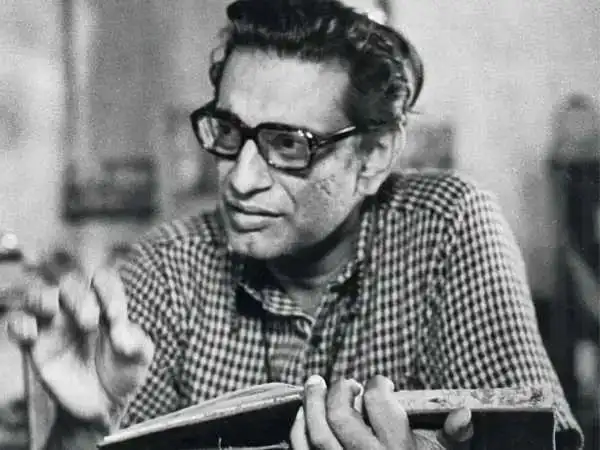
He was deeply inspired by Italian Neorealism
A trip to London changed Ray’s life. He watched Bicycle Thieves by Vittorio De Sica and was profoundly influenced by its realism. That inspiration directly shaped the making of Pather Panchali.
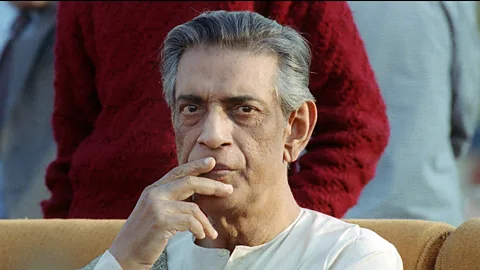
The ‘Apu Trilogy’ put Indian cinema on the world map
Ray’s debut film, Pather Panchali, followed by Aparajito and Apur Sansar, became collectively known as the Apu Trilogy. These films received international acclaim and introduced global audiences to a more realistic, humanistic side of Indian storytelling.
He was a multi-talented genius
Ray didn’t just direct films—he wrote scripts, composed music, operated the camera, edited films, and even sketched costumes and sets. From the 1960s onward, he composed music for most of his own films.
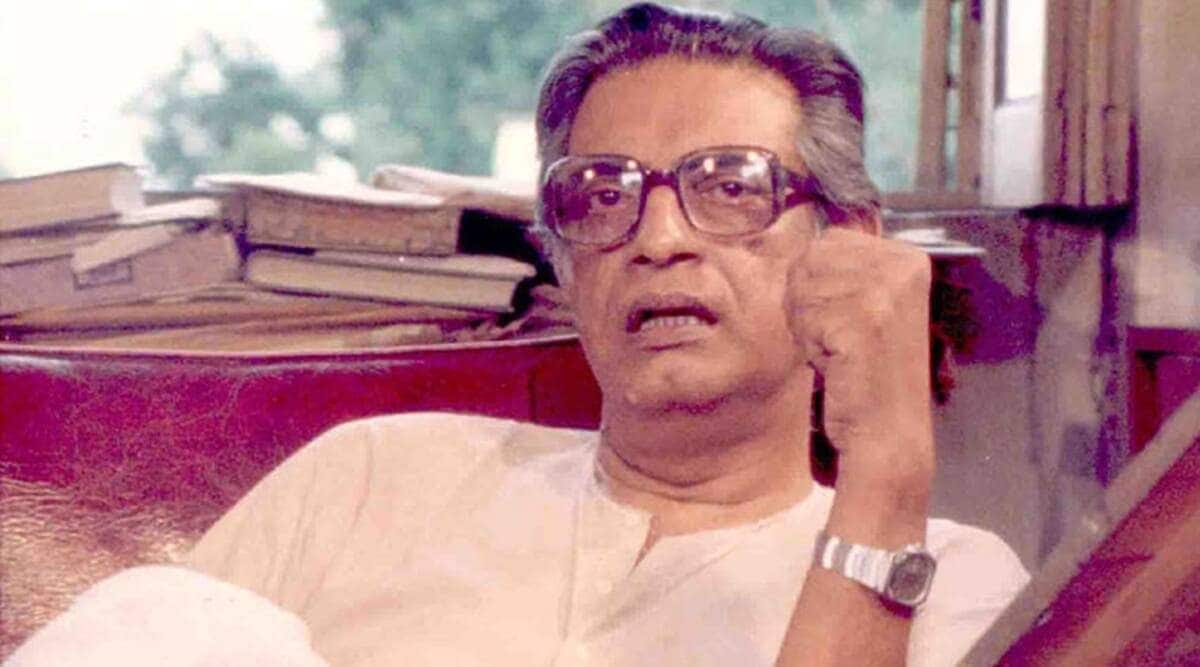
He almost directed a Hollywood sci-fi film
Ray wrote a script titled The Alien in the 1960s, which many believe inspired elements of E.T. the Extra-Terrestrial by Steven Spielberg. Though the project never materialised, it remains one of cinema’s great “what if” stories.
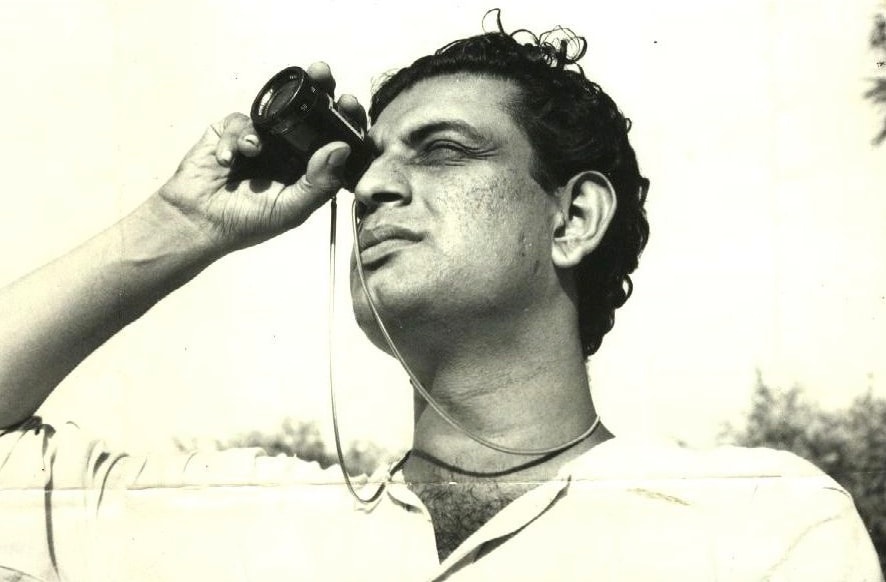
He won an Honorary Oscar shortly before his death
In 1992, Ray received an Honorary Academy Award for his lifetime contribution to cinema. Too ill to travel, he accepted it via a video message from his hospital bed—making it one of the most emotional moments in Oscar history.
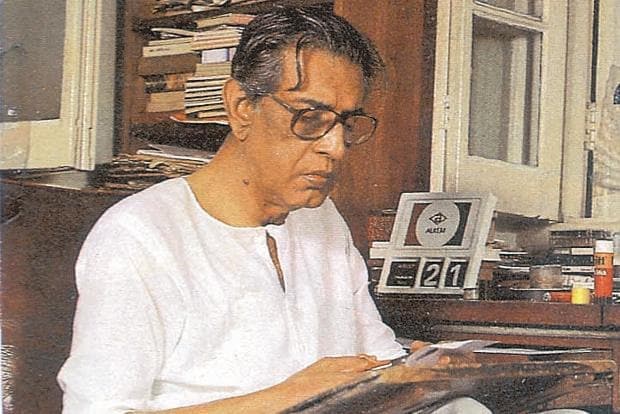
He was also a typographer and font designer
Ray even designed typefaces, including “Ray Roman” and “Ray Bizarre,” showcasing his eye for aesthetics beyond cinema.
Creator of iconic literary characters
Apart from films, Ray was a beloved writer. He created the iconic detective Feluda and the quirky scientist Professor Shonku, both of whom remain hugely popular in Bengali literature.
[ad_2]