[ad_1]
From tackling deadly infections to widening access to lifesaving vaccines, 2025 brought real momentum for global health, the UN World Health Organization (WHO) reported, offering measured optimism at the end of a year defined by both progress and mounting stress on health systems.
Even as budget cuts, conflict, and climate-related shocks stretched services worldwide—interrupting essential care in many places—countries and partners still made notable strides in disease control, prevention, and preparedness.
WHO said this combination of advancement and pressure in 2025 highlights both what evidence-based collaboration can achieve and what could be lost if momentum and funding are not maintained.
Wins in disease control
Several countries reached landmark achievements in eliminating infectious diseases.
The Maldives became the first nation to secure “triple elimination” of mother-to-child transmission of HIV, syphilis, and hepatitis B, while Brazil eliminated mother-to-child transmission of HIV, making it the largest country in the Americas to accomplish that target.
Progress also continued against neglected tropical diseases. Burundi, Egypt, and Fiji eliminated trachoma; Guinea and Kenya eliminated sleeping sickness; and Niger became the first African country to eliminate river blindness. Since 2010, the number of people requiring treatment for a neglected tropical disease has dropped by nearly one-third.
Tuberculosis (TB) deaths kept falling, particularly in Africa and Europe, where declines of more than 45 percent were recorded over the past decade. Still, TB was estimated to have killed 1.2 million people in 2024, pointing to ongoing vulnerabilities linked to HIV, undernutrition, and other drivers.
Malaria efforts also advanced. Georgia, Suriname, and Timor-Leste were certified malaria-free, and seven more African countries introduced malaria vaccines in 2025. Paired with newer tools, including improved mosquito nets, these steps helped avert an estimated 170 million cases and one million deaths in 2024.
Global health cooperation
Beyond disease-specific achievements, 2025 also saw key progress in international health cooperation.
Countries adopted the world’s first Pandemic Agreement and reinforced the International Health Regulations (IHR), creating a stronger foundation for quicker and more equitable responses to future health emergencies.
Leaders also backed a major political declaration focused on noncommunicable diseases and mental health. WHO issued additional evidence-based guidance across topics including maternal care and meningitis, as well as diabetes in pregnancy and child-appropriate cancer medicines.
Depositphotos
Healthier lives, but uneven gains
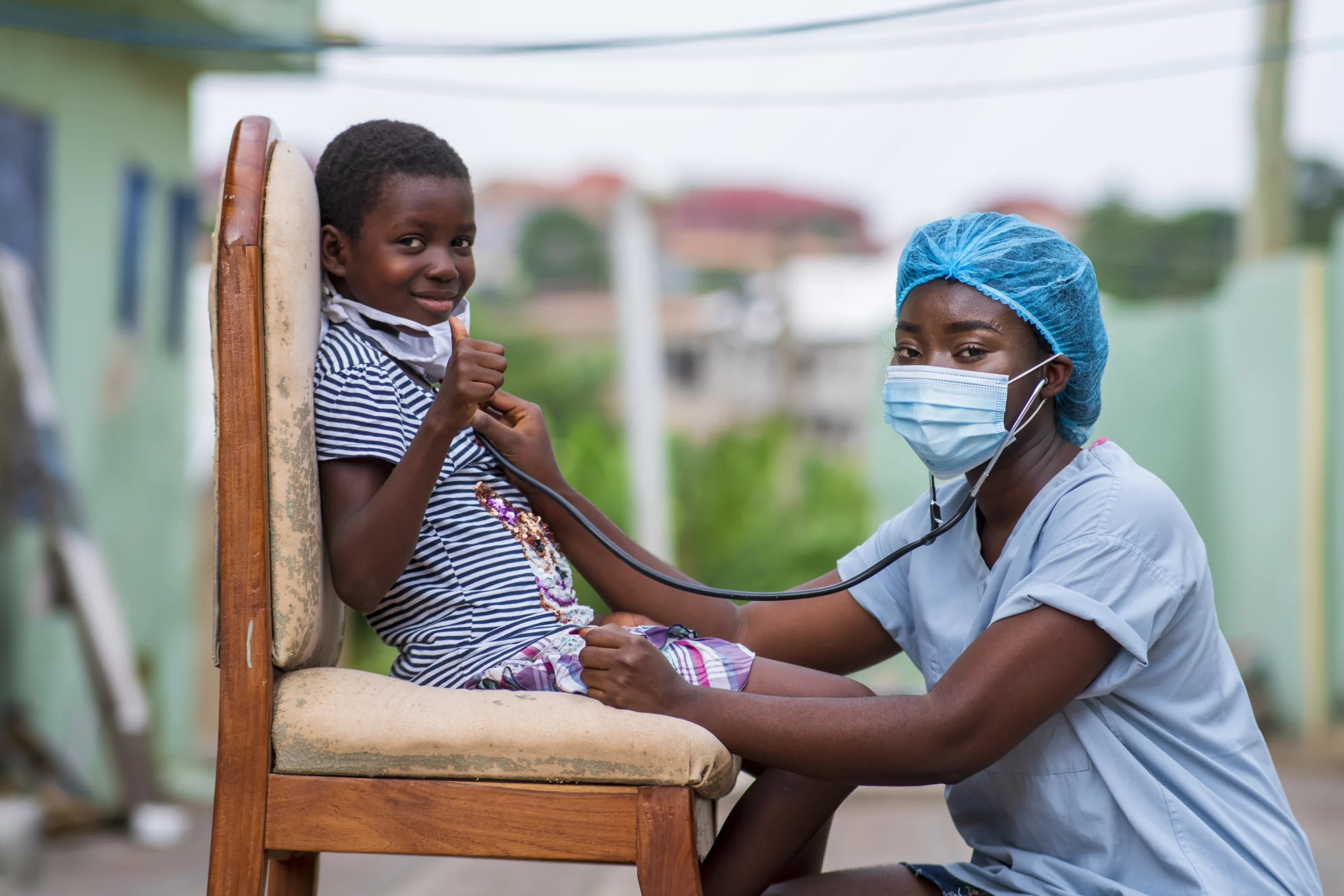
WHO’s World Health Statistics 2025 report found that 1.4 billion additional people are living healthier lives, supported by lower tobacco use, cleaner air, and better water and sanitation.
Immunization remained a core driver. Global vaccination efforts have reduced measles deaths by 88 percent since 2000, saving nearly 59 million lives. In 2025, more countries expanded vaccination against human papillomavirus (HPV), moving the world closer to eliminating cervical cancer.
But gaps remain. An estimated 20 million children missed essential vaccines due to conflict, supply disruptions, and misinformation. Maternal and child deaths are also declining too slowly to meet global goals, underscoring the need for stronger investment in primary healthcare and safe childbirth programmes.
Funding strain, crisis response
Funding reductions in 2025 disrupted services including maternal care, immunization, HIV prevention, and disease surveillance, and WHO warned that shrinking resources could undo hard-won progress.
Even so, WHO supported emergency health responses across 79 countries and territories, including Gaza, Sudan, and Ukraine—delivering urgent medical support and helping control outbreaks.
It provided medicines, helped keep hospitals operating, supported vaccination drives, and worked to ensure access to routine care—because “babies still need to be born, heart attacks still need to be avoided, and diabetes still needs to be treated, even during an emergency.”
Looking ahead
Heading into 2026, WHO pointed to the adoption of the first Pandemic Agreement and strengthened International Health Regulations as signals of renewed commitment to preparedness.
The agency also reiterated the principle set out at its founding in 1948: that the highest attainable standard of health should be a right for everyone, not a privilege for a few.
[ad_2]