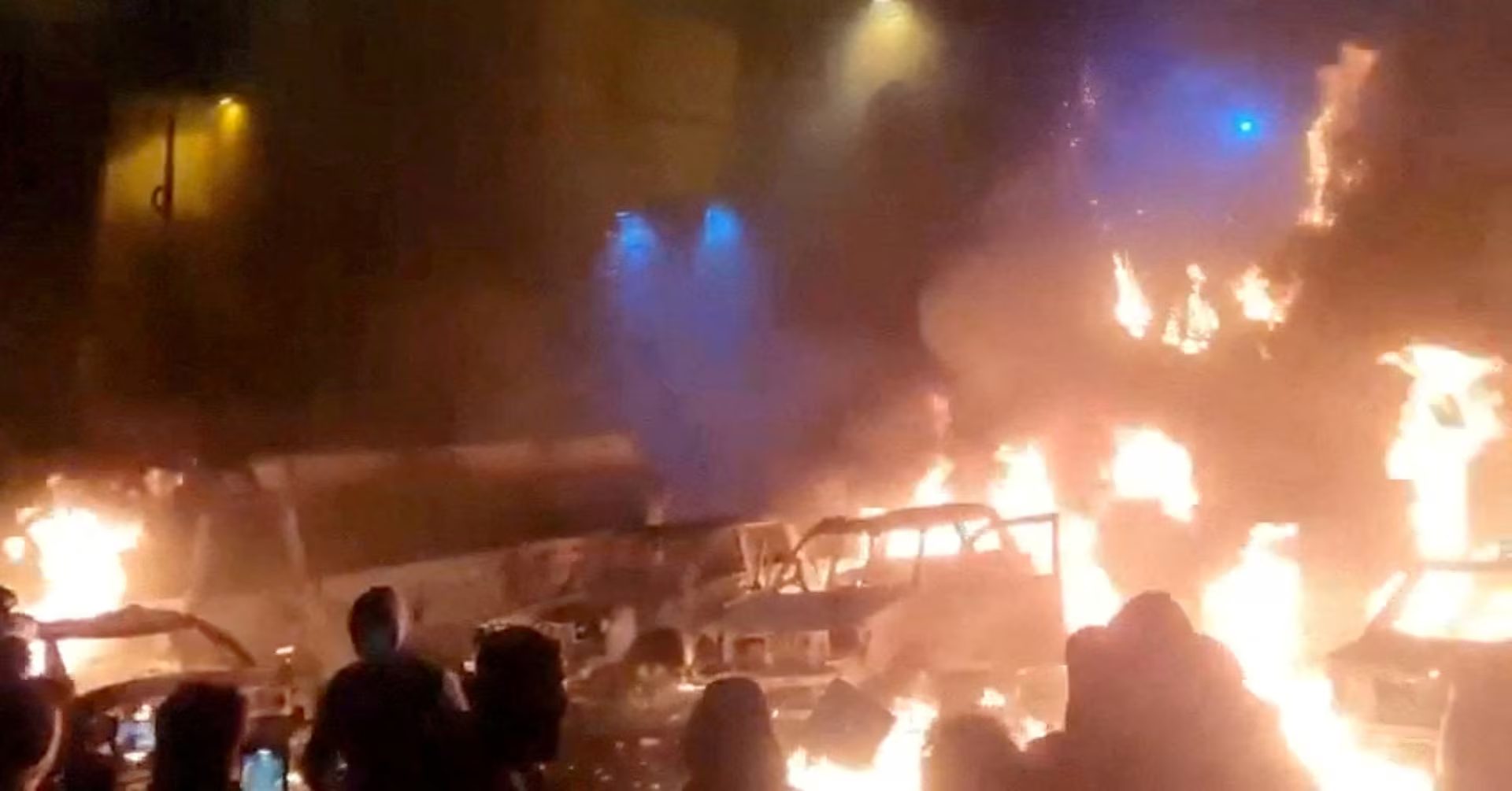
Item 1 of 2 Protesters gather as vehicles burn, amid evolving anti-government unrest, in Tehran, Iran, in this screen grab obtained from a social media video released on January 9, 2026. Social Media/via REUTERS/File Photo
Sign up here.
The sources, who were present for Israeli security consultations over the weekend, did not elaborate on what Israel’s high-alert footing meant in practice. Israel and Iran fought a 12-day war in June, in which the U.S. joined Israel in launching airstrikes.
In a phone call on Saturday, Israeli Prime Minister Benjamin Netanyahu and U.S. Secretary of State Marco Rubio discussed the possibility of U.S. intervention in Iran, according to an Israeli source who was present for the conversation. A U.S. official confirmed the two men spoke but did not say what topics they discussed.
Israel has not signalled a desire to intervene in Iran as protests grip the country, with tensions between the two arch-foes high over Israeli concerns about Iran’s nuclear and ballistic missile programmes.
In an interview with the Economist published on Friday, Netanyahu said there would be horrible consequences for Iran if it were to attack Israel. Alluding to the protests, he said: “Everything else, I think we should see what is happening inside Iran.”
Reporting by Rami Ayyub and Maayan Lubell; Editing by William Mallard
Our Standards: The Thomson Reuters Trust Principles.