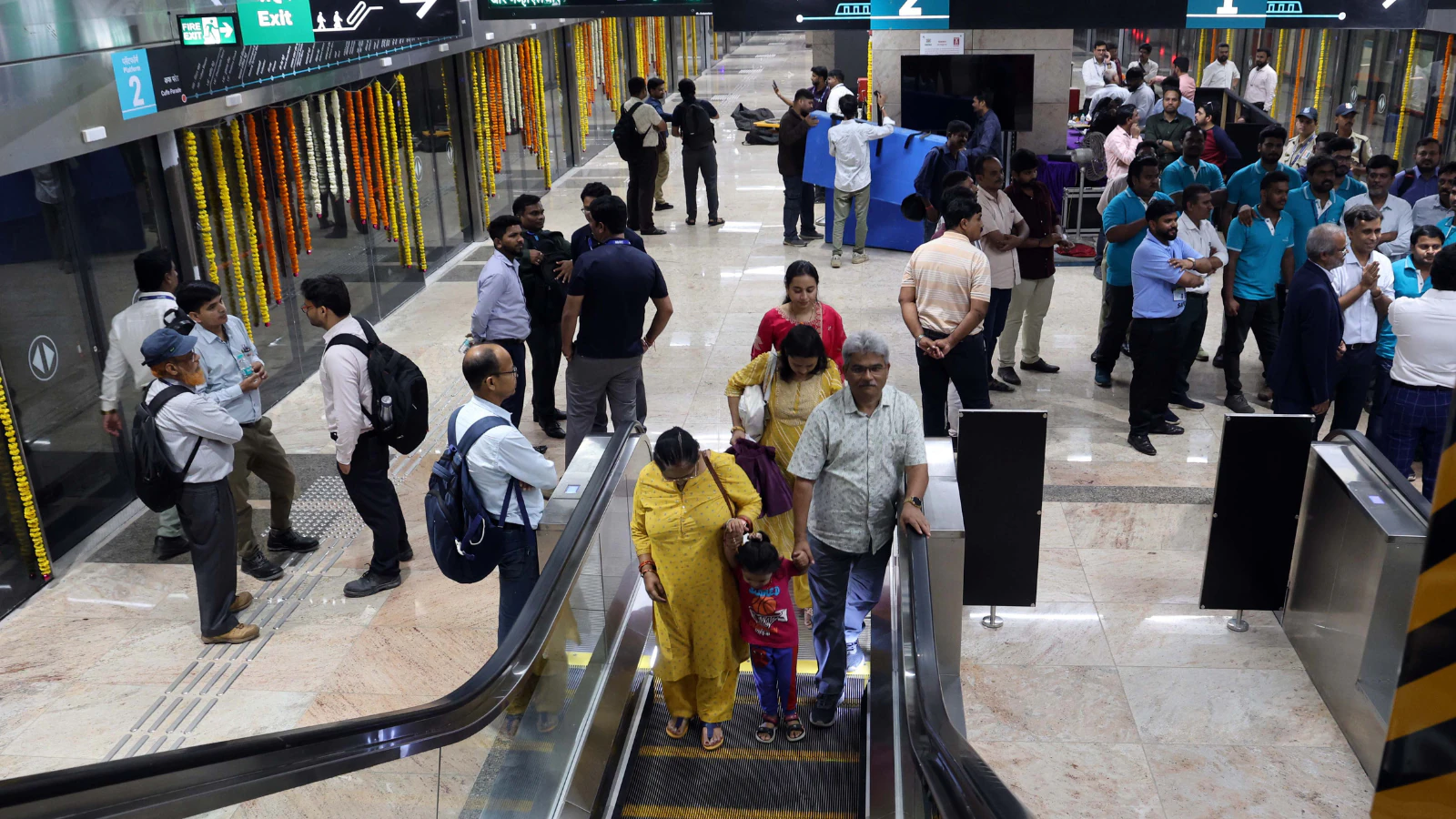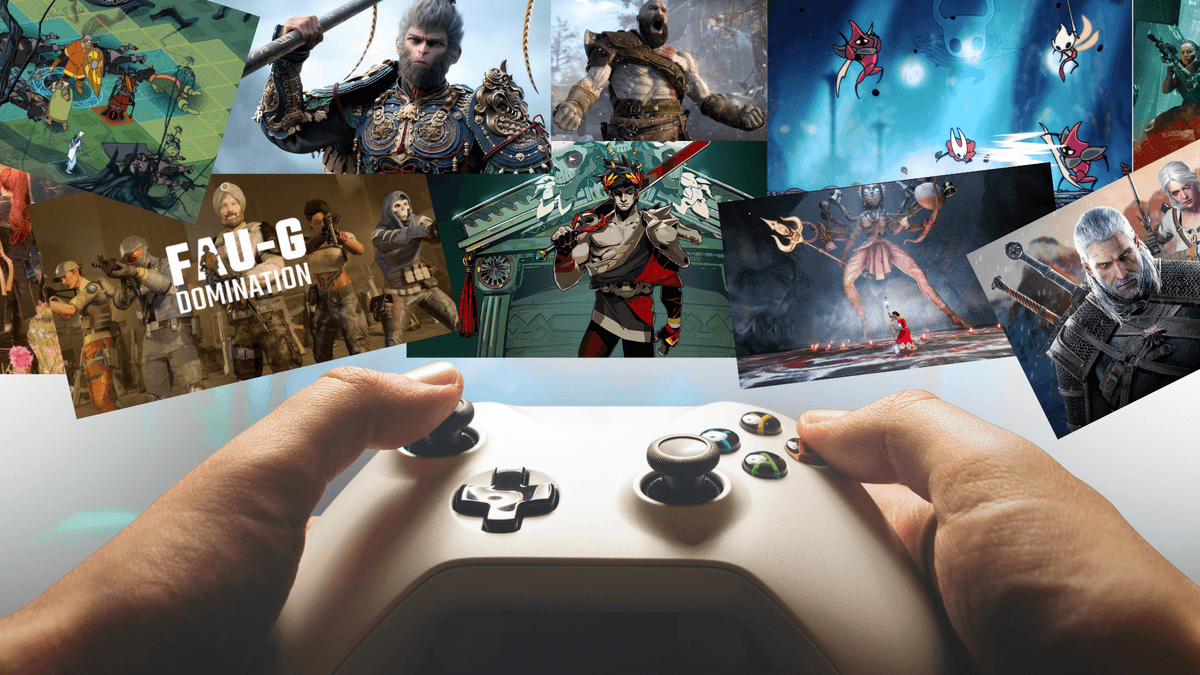
It’s August, and I’m standing in the colossal halls of Gamescom in Cologne. The largest event for computer and video games, spanning over 2,30,000 sq.m., it’s where the global standard for AAA (high budget, high profile games) quality is set. Ask the 3,57,000 visitors that turned up from over 120 countries this year.
It is a dynamic ecosystem: a space where communities unite in incredible expo stands (over 1,500 exhibitors in 2025), small and large merchandisers showcase their wares, and a massive business section buzzes with gaming companies striking deals. Children and adults game, browse and buy new launches — reveals include first-person shooter game Call of Duty: Black Ops 7, action adventure Hollow Knight: Silksong, and role-playing game Black Myth: Zhong Kui — even as cosplay artists add to the fun.
Witnessing this global benchmark gets me thinking: we in India have the talent, the industry, and now, with GamingCon Bharat, the makings of a great expo. We have great studios with superb plans, and State governments such as Maharashtra investing in gaming. It’s time the country caught the world’s attention. And our success hinges on getting the next strategic steps right. One of the biggest steps has already been taken in August: the ban of real money gaming (RMG).
Expanding the ecosystem
India has good gaming shows, but none has been consumer-focused festivals. So, last year, GamingCon Bharat stepped in to fill the gap. “It is more than a convention; it is the physical home for India’s fast-rising gaming ecosystem. Over two days, we got close to 6,000 visitors,” says Vikas Vij, managing director of IDEX Events and the founder of GamingCon Bharat. “As India’s developers, creators, studios, and investors scale up, the event aims to be the stage that shows the world what the future of gaming from the country looks like.”
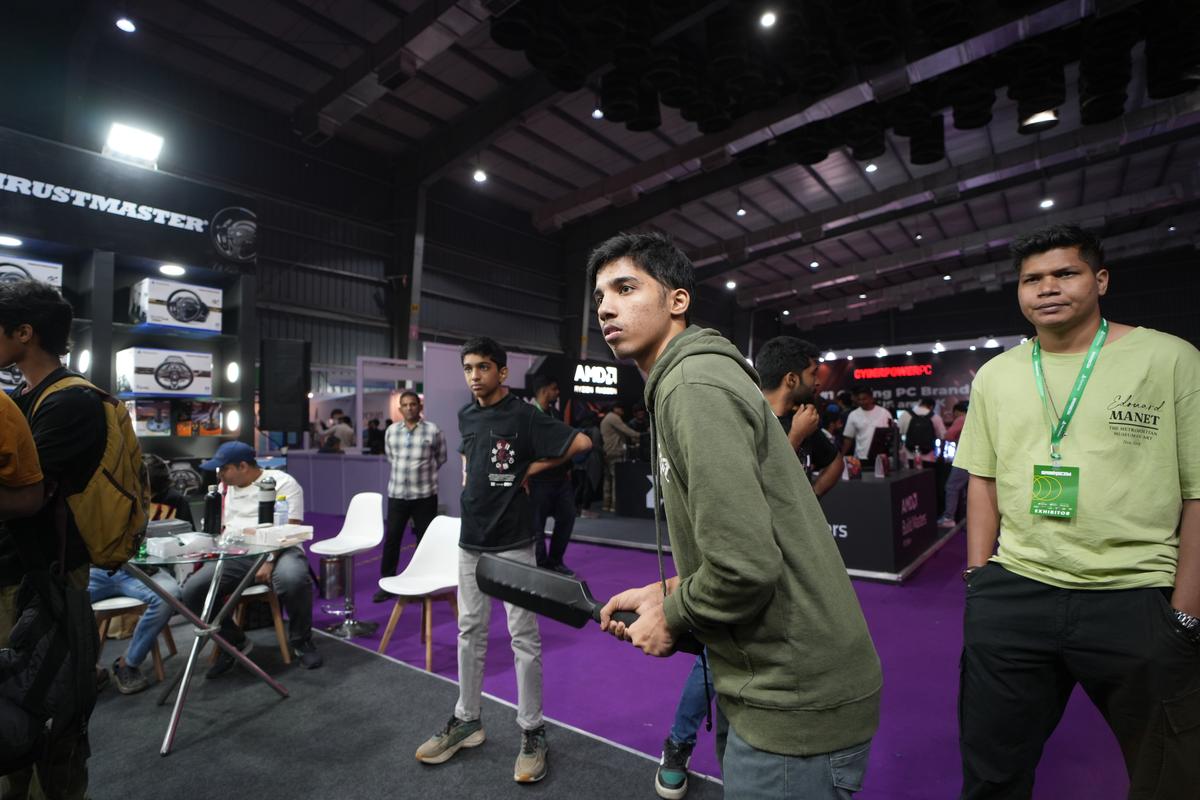
GamingCon Bharat 2024
This year, they hope to double visitor numbers. There will be a strong international presence too, including French game company Ubisoft (which has developed game franchises such as Assassin’s Creed and Far Cry), American PC brand CyberPower, and South Korean game publisher Krafton. “Besides big Indian companies such as Reliance Games, Nazara and the like, there’s a lot happening at the grassroots level. To support them, we are providing a platform for 15 indie companies — giving Indian gamers an opportunity to see what else is happening in the country,” says Vij.
GamingCon Bharat 2025 will be held at the Bombay Exhibition Centre on November 29-30.
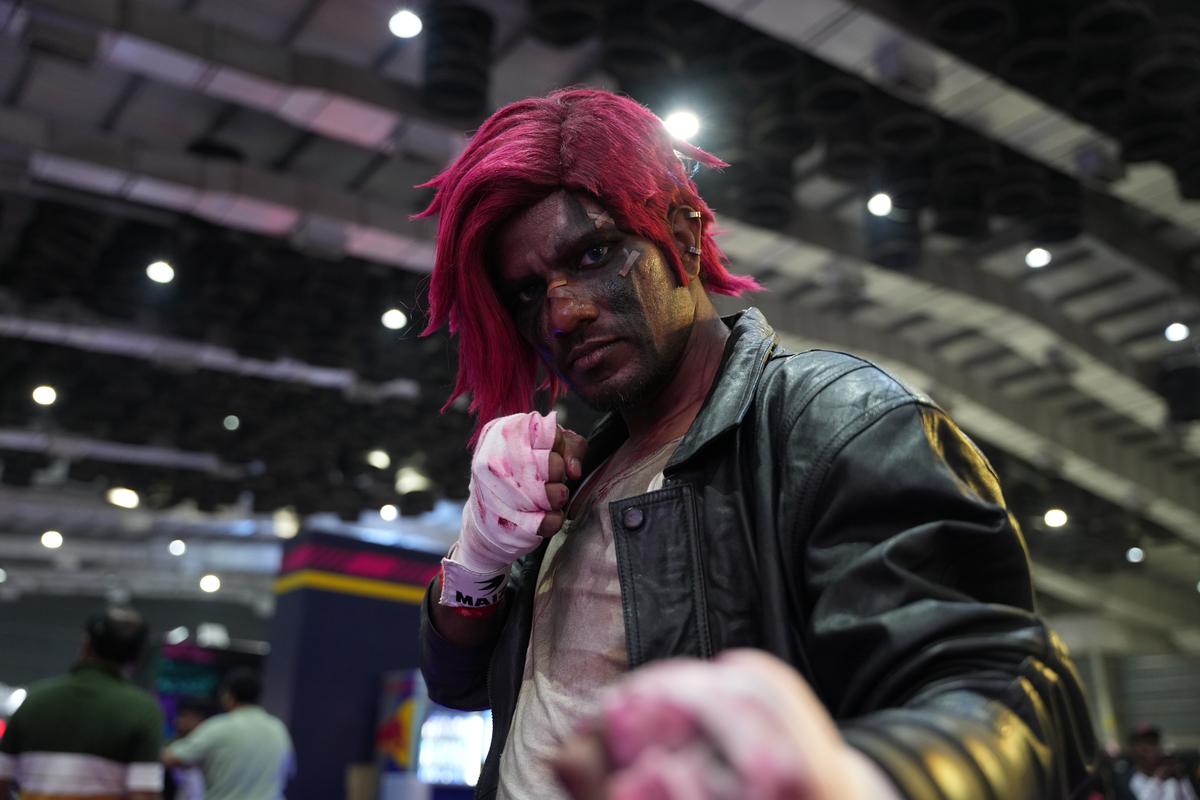
A cosplayer at GamingCon Bharat

Tech-tonic shift from wagers to worlds
Gaming is not a new arrival in India; it dates back to the Atari era of the 70s, with its arcade games and home consoles, and the ‘999-in-1’ cartridges that circulated through neighbourhoods like currency in the 90s. With the arrival of RMG, however, almost a decade ago, that concept of gameplay got mixed up with gambling.
This new industry was quick to camouflage itself using the skill-based adjectives often reserved for gaming. It quickly overtook the narrative, and with its deep pockets and hefty investments, choked investments to the gaming industry (investors chasing easy, short-term RMG returns ignored studios creating original intellectual property).
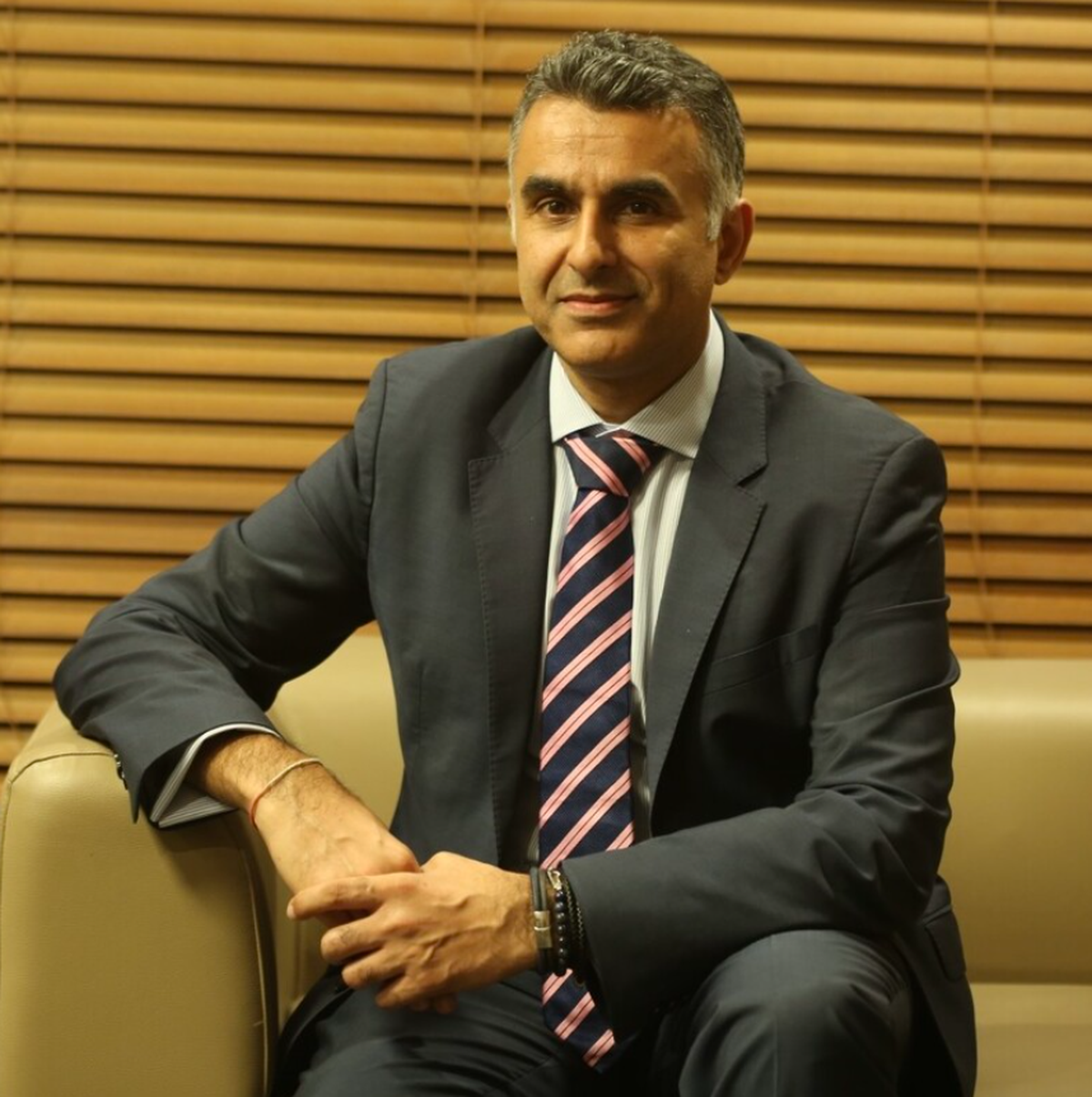
Vikas Vij, founder of GamingCon Bharat
The problem was not co-existence; it was cannibalisation. It starved the creative sector by commanding 80% of all gaming venture capital (VC) funding and siphoning the best engineering talent. More critically, the RMG model created severe regulatory chaos and, as confirmed by reports on the ground, dragged thousands of users into debt and addiction.
Now, there is a reset. With the Promotion and Regulation of Online Gaming Act, 2025, coming into force three months ago, it has effectively pulled the plug on online casinos. “I strongly support the RMG ban,” says Vishal Gondal, co-founder of nCore Games, a Bengaluru-based mobile games and interactive entertainment company. He is unequivocal about the necessity of this shift and states, “Real-money gaming was just gambling disguised as gaming. Now that it’s out of the way, India finally has the clarity to build a real gaming industry, driven by game developers, storytellers, and studios, and not betting apps.”
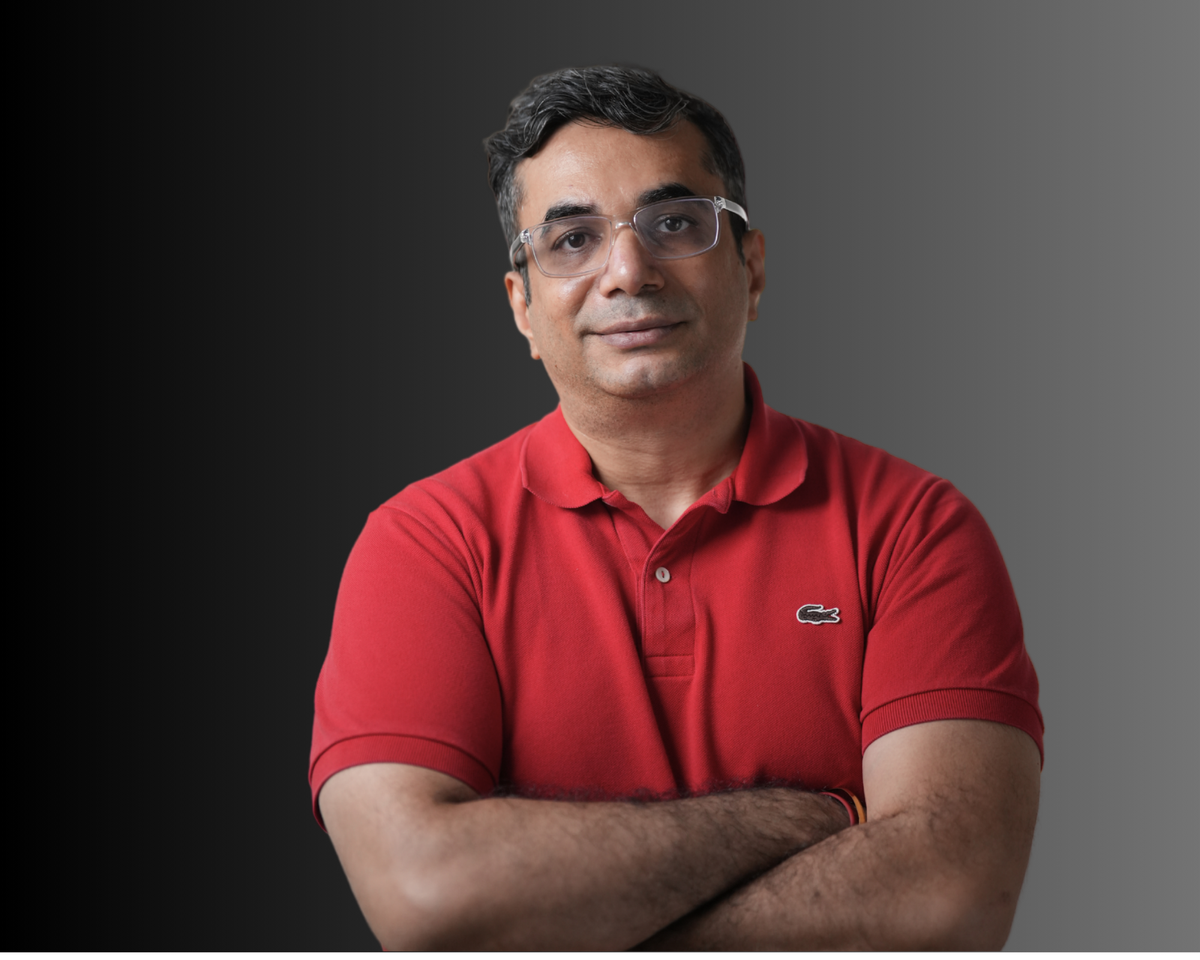
Vishal Gondal, co-founder of nCore Games
Redefining real gaming
According to the India Gaming Report 2025, the country is home to 591 million gamers, 89.92% of whom are mobile gamers, with shooters being the most popular genre. That’s set to grow to about 900 million by 2029. Interestingly, the Indian gaming sphere is not just a boys club — 44% are women, driving growth not just in casual puzzles but in narrative-driven adventures and competitive shooters.
But where Indians are distinct is in how they choose their games. “The average Indian gamer is very value conscious and wouldn’t spend money on a game purely out of curiosity,” says Gagan Gupta, co-founder of Mumbai-based gaming agency DTR and a lifelong gamer himself. “While free-to-play games like Valorant have seen success in the market, games like Grand Theft Auto 5 have seen a massive success here despite its price, purely because of the value it brings with its huge scope.”

Gagan Gupta of gaming agency DTR
So, for an Indian studio to succeed, they need to have quality that rivals or is better than what locals are used to, while keeping the price point right. At present, many gamers feel that indie creations lack gameplay. Reddit forums have rants on Indian games being bland and boring. Subreddit discussions range from ‘Why India can’t make an AAA game?’ to why these passionate ‘Indian GTA game developers should learn from people who are actually passionate about their craft’.
While there have been successes in the form of games such as Raji: An Indian Epic that has found fans in the country and across borders, the numbers aren’t too large. So, why haven’t there been more homegrown successes? The two biggest factors are technology and the fact that the studios are divided — building their own tech stacks with fragmented approaches, when standardisation is key. It is only now that game creation tools have become more democratised, with software such as Unreal and Unity freely available.
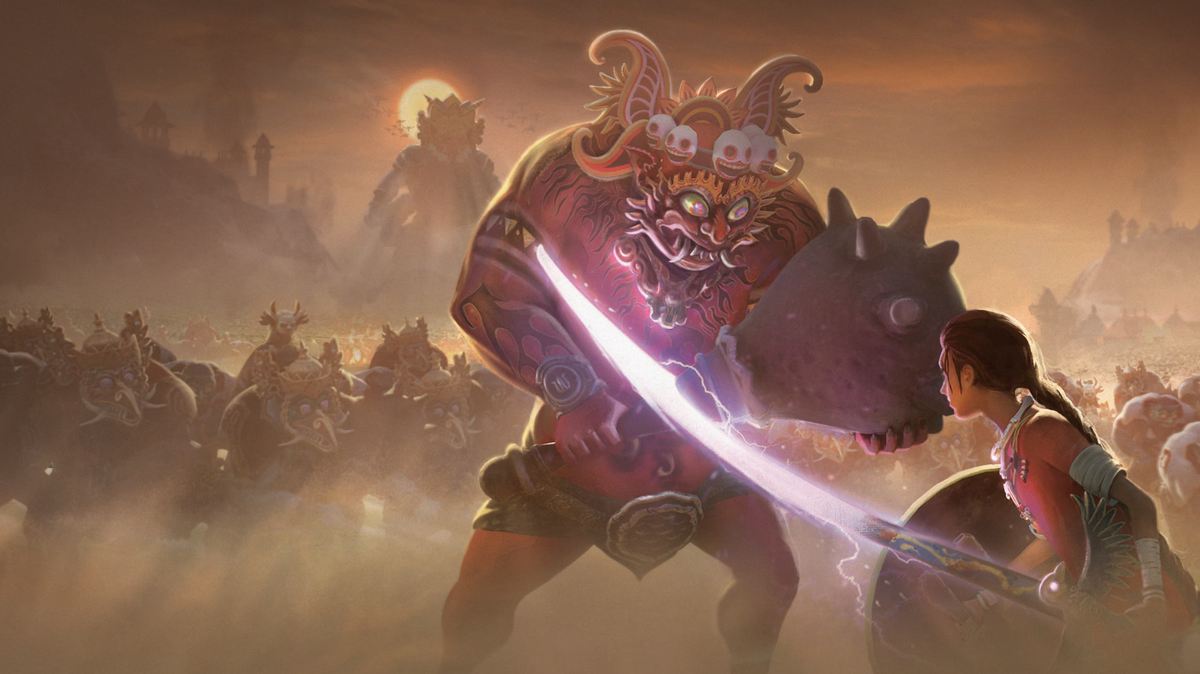
Raji: An Indian Epic

“Here is a country with one of the world’s youngest populations, hundreds of millions of gamers, a huge tech-savvy talent pool, and a civilisational heritage that is both epic in scale and remarkably under-represented in premium games. India
stands out.”Nicolas GranatinoExecutive chairman of Tara Gaming
The newly formed Indian Game Publishers & Developers Association (IGPDA), which came into being in September, is a strong step in the right direction. Established as a unifying force, it counts tech company Nazara, nCore Games, Reliance, and six others as founding members. It is structured to bring primary players — think game developers, studios, publishers, and platforms — and partners, such as tech providers, training institutions, and investors together to collaborate on game development. “The IGPDA is designed to be India’s [first] collective voice in gaming,” explains Ninad Chhaya, senior vice president of corporate development at Reliance Games. “A unified platform that uplifts studios, promotes and protects IP [intellectual property] creation, and showcases India’s growing influence on the global gaming stage.”
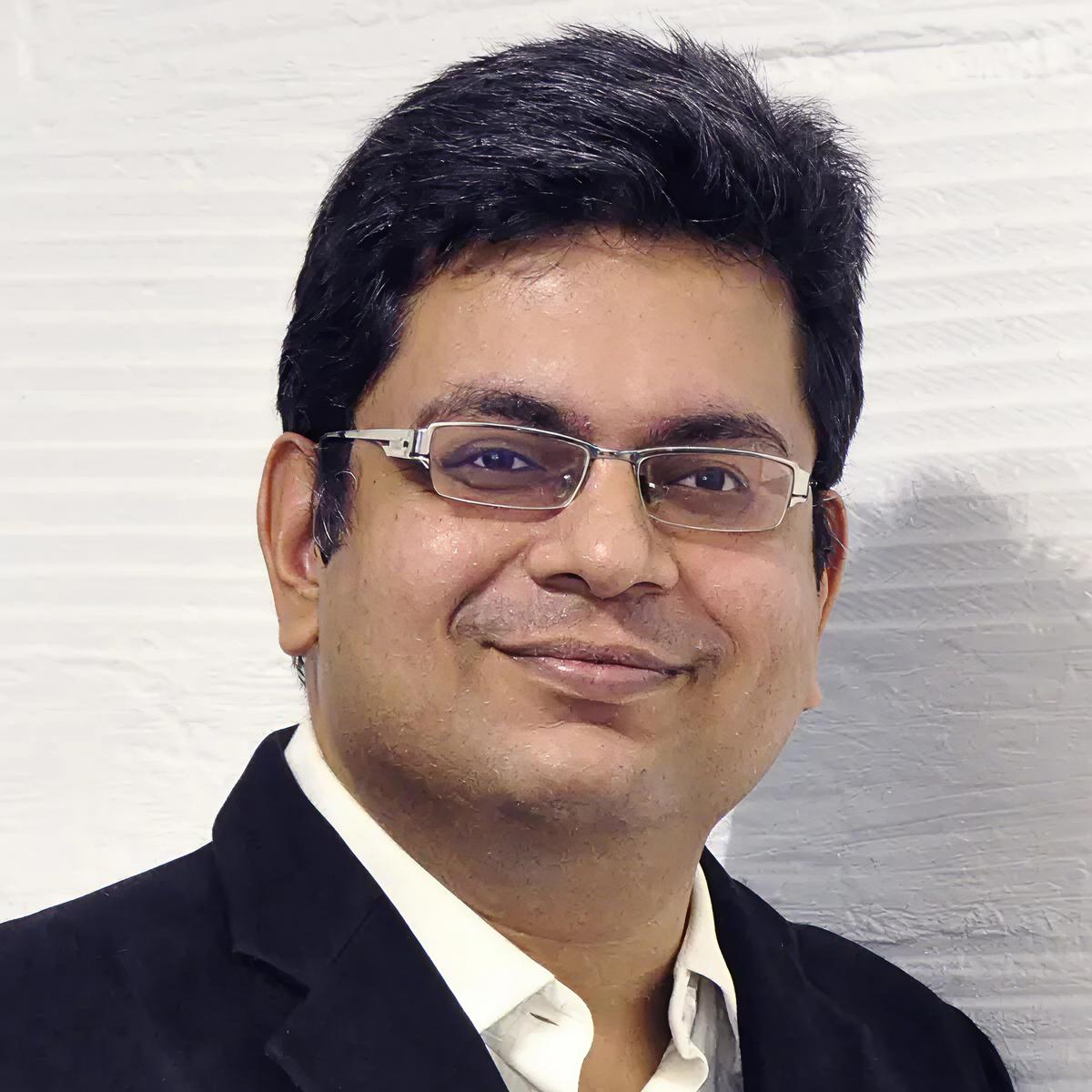
Ninad Chhaya of Reliance Games
Untapped potential in worldbuilding
The IGPDA’s immediate challenge may be to meet global quality standards, but the bigger mandate is to amplify India’s rich cultural heritage. The way Europe uses medieval history, or China and Japan use their mythology, India must define its own unique IPs to transcend our borders.
Across every gaming community, there’s one comment that’s constant: “When will India get its own Black Myth Wukong [the 2024 action role-play game’s story is based on the Chinese classical novel Journey to the West]?” Over the last decade, China has been getting its gaming industry off the ground, and Black Myth Wukong was one of the biggest global successes for two reasons. It blended core Chinese mythology with pulse-pounding gameplay mechanics. This is the Indian gamers’ high bar of success, and the aim of all gaming studios today.
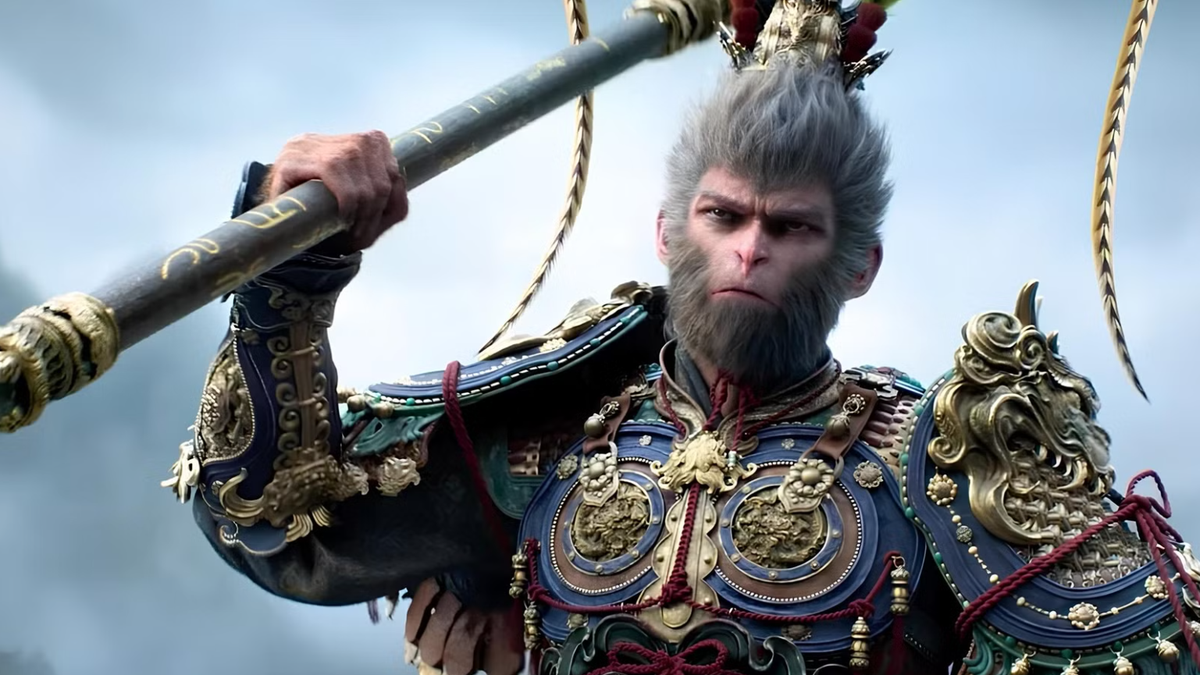
Black Myth Wukong
The dream isn’t impossible. “India stands out. Here is a country with one of the world’s youngest populations, hundreds of millions of gamers, a huge tech-savvy talent pool, and a civilisational heritage that is both epic in scale and remarkably under-represented in premium games,” says Nicolas Granatino, executive chairman of Tara Gaming, a one-year-old game developing studio that has Amitabh Bachchan as a co-founder. It is currently making Age of Bhaarat, an action-adventure that features Bachchan’s voice that the creators believe will be the country’s first AAA game. “From a storyteller’s standpoint, India is a treasure chest. The Ramayana, Mahabharata, classical literature, regional folk traditions — these are not just myths but vast narrative universes filled with complex characters, moral dilemmas, and big ideas about duty, love, war, and the nature of reality,” he adds.

Nicolas Granatino, executive chairman of Tara Gaming
The global success of role-playing game The Witcher, Black Myth Wukong and American action adventure God of War proves the formula — rich mythology combined with excellent gameplay — wins. But India’s stories must translate into interactive set pieces and tight gameplay loops. This juggling act of uniting worldbuilding with clear narrative mechanics is what Indian studios must master to reach the world.
There’s curiosity now from new creators and first-timers such as Sapna Bhavnani. The Mumbai-based filmmaker and founder of Wench Film Festival, India’s first sci-fi/horror/fantasy fest, is looking at creating her own game. “I feel in India we are mediocre when it comes to our aesthetic. Also, nobody wants to spend the time developing something,” says Bhavnani, who is planning to base her game on Zombiecon, a zombie walk and pub crawl that she hosts in the city. “In the fantasy genre, we automatically go to mythology, to Ramayana and Mahabharata. We need a game that can cut through international boundaries where horror, sci-fi and fantasy are the genres that are ruling the roost.” She has identified a Mumbai-based developer for her game, but first she says she will spend time worldbuilding and developing her characters. “We have to develop something that even someone in the western market can understand.”
“I feel in India we are mediocre when it comes to our aesthetic. Also, nobody wants to spend the time developing something. We need a game that can cut through international boundaries where horror, sci-fi and fantasy are the genres that are ruling the roost.”Sapna BhavnaniFilmmaker and founder of Zombiecon

Sapna Bhavnani
Building the foundation
Given the concentration of game studios in Mumbai and Pune, the region has emerged as the industry’s centre of gravity. “Mumbai already has everything a global gaming hub needs — be it creative DNA, film culture, art schools, tech talent and a generation that grew up on games,” says Vaibhav Chavan, founder of underDOGS, who’s building Mukti, a first-person narrative adventure game with support from Sony Playstation to bring awareness on human trafficking. “What it needs now is focus and policy support, funding, and overall nurturing of the ecosystem.”
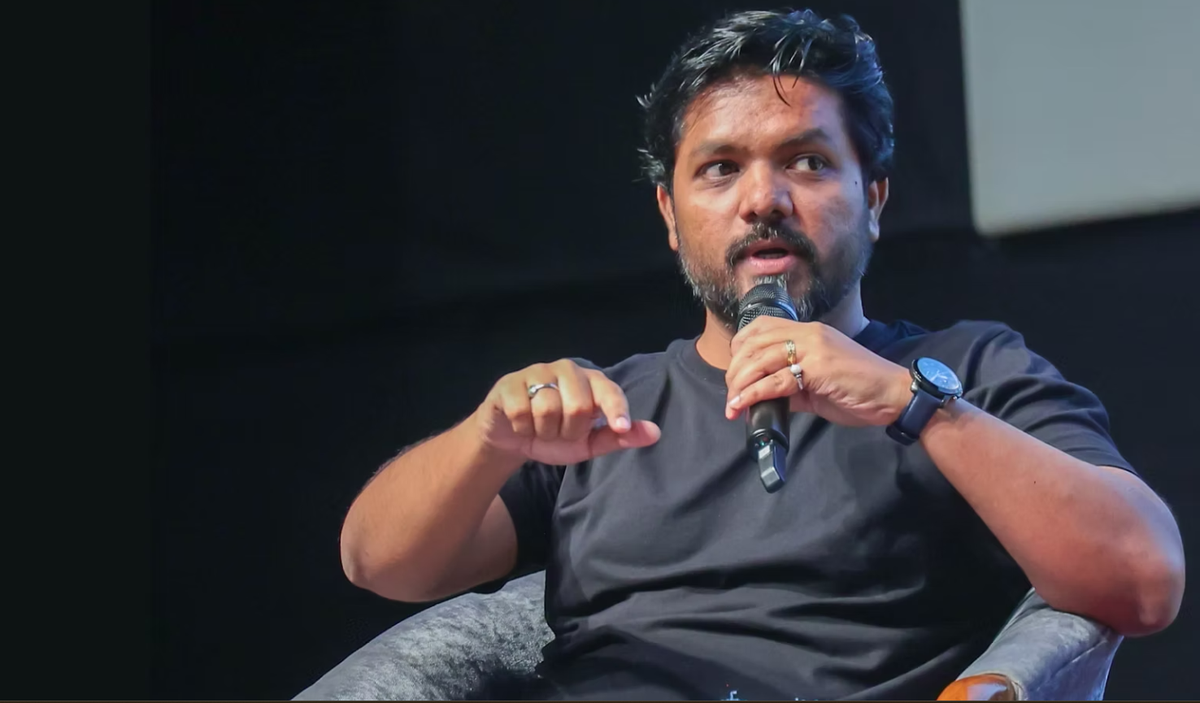
Vaibhav Chavan, founder of underDOGS
The Maharashtra government listened, and is backing the industry, in collaboration with the IGPDA, with a ₹3,000 crore gaming war chest. Together, they will work to attract gaming companies to Mumbai through policy support. Now, it is up to the studios to focus this resource on creating genuine, scalable wealth, and the government to ensure the infrastructure — accelerators, AVGC (Animation, Visual Effects, Gaming, and Comics) hubs — is built to pull talent away from the RMG husks and into stable, long-term creative roles. This will help in growing the gig economy, opening up more jobs for tech, acting, motion capture and voice roles across demographics and regional languages.
A few other States have their own plans in place. Tamil Nadu is readying to launch its AVGC XR (Animation, Visual Effects, Gaming, Comics, and Extended Reality) policy. “Gaming is very unique in that it has high creativity, relatively low employment, and high margins. So, you have to be really thoughtful about how you go about incentivising it,” says Palanivel Thiaga Rajan, Minister for Information Technology and Digital Services of Tamil Nadu.
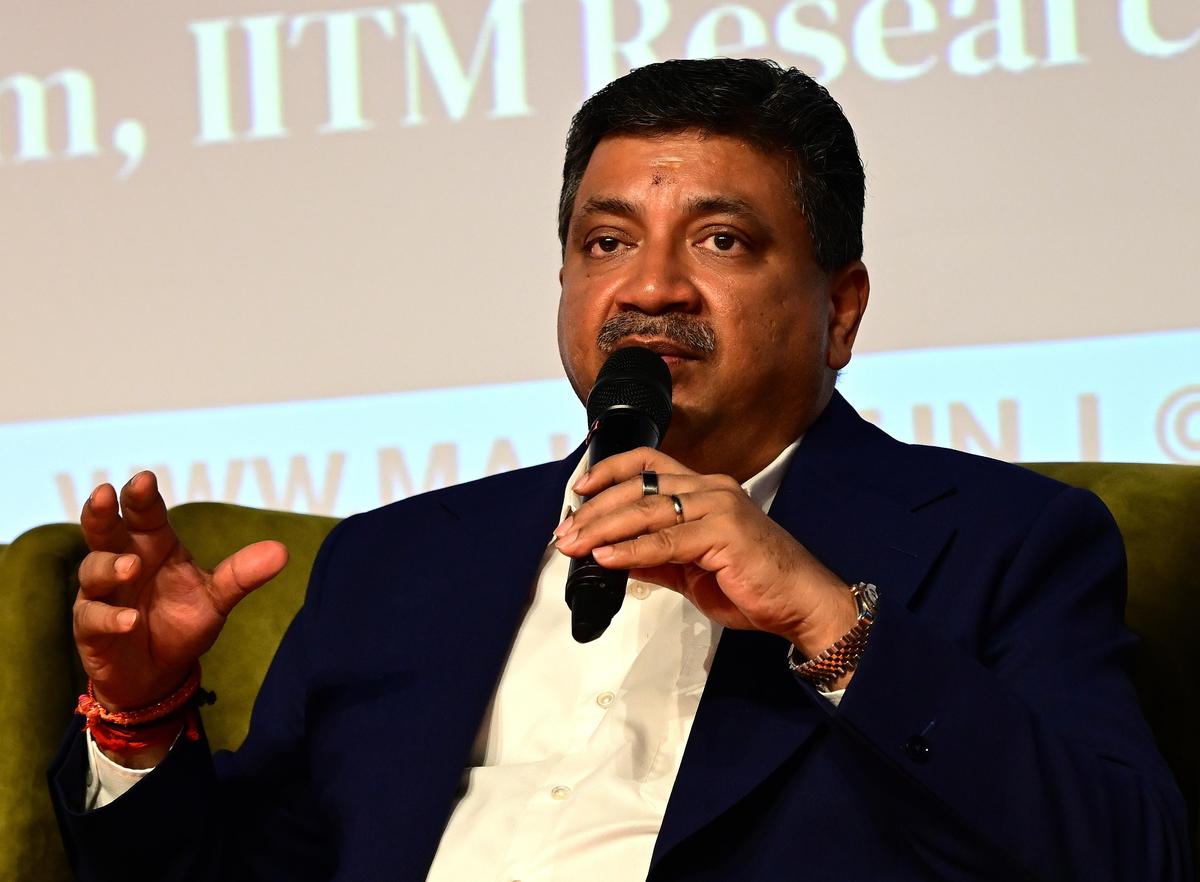
Palanivel Thiaga Rajan says Tamil Nadu is readying to launch its AVGC XR policy
| Photo Credit:
Velankanni Raj B.
The policy, which is in its final stages, is built on four pillars: education and skilling, infrastructure development, improving ease of doing business, and financial incentives. “It is very nuanced, because from day one it was developed through interaction with the industry sector — both individual companies and the Game Developer Association of India,” says Rajan, adding that they are encouraging clusters of developers, which will “facilitate participation and make accessibility easier”. Getting big gaming companies such as Nintendo to enter India through Tamil Nadu is on the agenda, too.
Need for a gaming convention
Every industry needs a town square for the community and businesses to convene. Just as Comic Con spotlights comic books and pop culture, a serious gaming industry demands a dedicated convention. While Japan has the Tokyo Game Show and Europe has Gamescom, India now has GamingCon Bharat. “With GamingCon Bharat, we are creating a landmark event that unites India’s entire gaming community, from young players and indie developers to major studios, publishers, and investors,” asserts Vij, the founder.
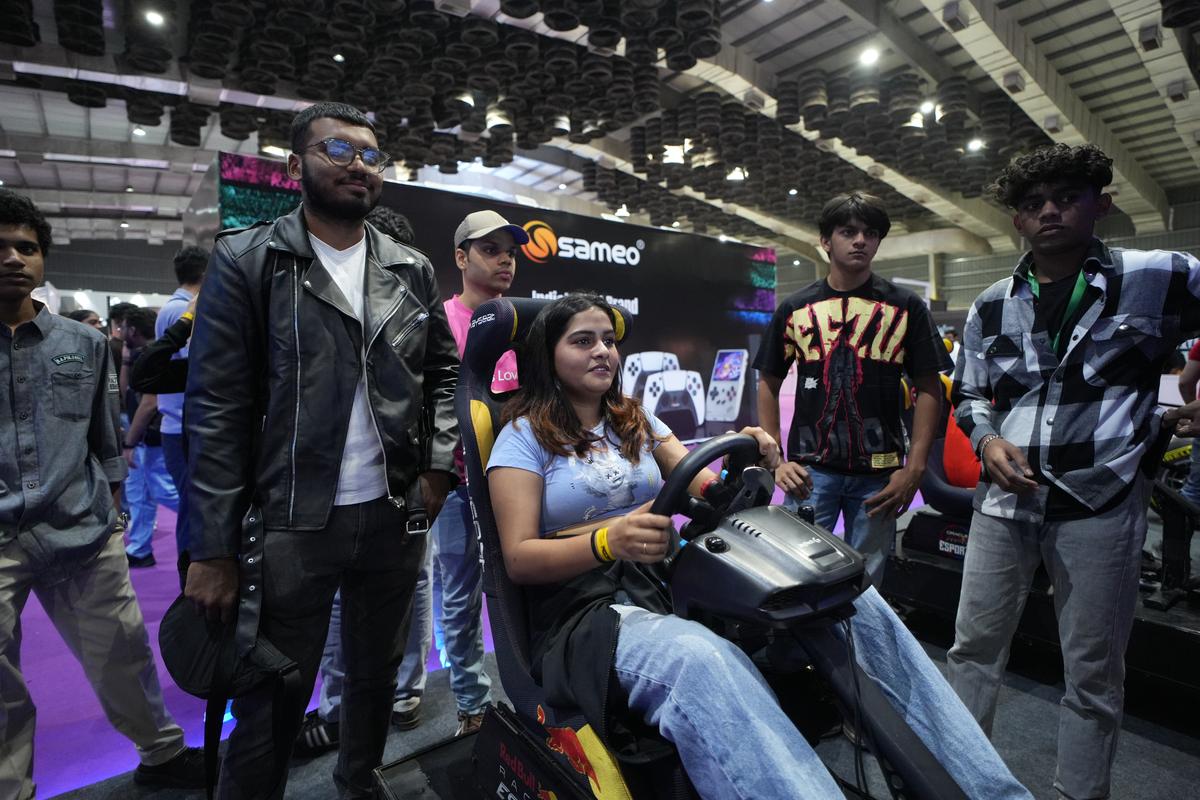
At GamingCon Bharat 2024
Gaming expos are more than just screens and controllers; they are the industry’s megaphones. They create a platform for gaming companies and independent studios to debut their new games, and serve as a B2B nexus where studios can find investors, tools and services, as well as connect with the gaming business community. These events also fuel the “merch economy” — artists and creators selling custom apparel, action figures, and art. And it’s a haven for cosplayers who, in turn, transform the event into an immersive experience. “GamingCon Bharat provides a national stage for talent, aids in the discovery of new esports players, and gives regional creators the visibility that was missing a few years ago,” says Medha Srivastava, a concept and game artist. Srivastava cosplayed as Aloy from Horizon Zero Dawn at the last edition.

Medha Srivastava as Aloy from Horizon Zero Dawn
We are on the cusp of change. The tools are on the table: the policy, the capital, and a unified IGPDA voice. The industry has got a new lease of life. The challenge now belongs to the creators and the consumers.
(With inputs from Surya Praphulla Kumar)
The designer and lifelong gaming enthusiast spends most evenings in co-op mode with his daughter.