For telecom operators, access to radio spectrum shapes almost every long-term decision they make. It determines where networks can expand, how quickly upgrades happen, and how much risk sits on the balance sheet. In Europe, that foundation may soon become more stable. Policy drafts circulating within the European Union point to a shift that could give operators longer, or even open-ended, rights to use spectrum.
If the proposals move forward, they would change how operators plan their networks. Spectrum licences today usually come with fixed time limits. When those limits approach, operators face uncertainty around renewal terms, pricing, and coverage rules. That uncertainty often sits in the background of investment decisions, especially for projects that take many years to deliver returns.
Planning networks on shorter clocks
Mobile networks are built for the long haul. Towers, antennas, and radio equipment are not short-term assets. In many cases, operators expect to run them for decades. Yet spectrum licences often last for much less time. That mismatch can make planning harder, particularly when operators look beyond dense urban areas.
Rural coverage, transport routes, and industrial zones tend to offer slower payback. When spectrum access may change partway through that investment cycle, operators can become cautious. Some projects are delayed. Others are scaled back. Extending spectrum rights would not remove those challenges, but it could lower one major source of risk.
Under the draft framework, regulators would still set conditions around how radio spectrum is used. Coverage targets, service quality, and efficient use would remain part of the deal. What would change is how often operators need to renegotiate their right to stay on the air.
How longer radio spectrum rights change the role of regulators
From the regulator’s side, fixed-term licences have long served as a control point. Auctions and renewals allow authorities to revisit pricing and competition rules. Moving toward longer or unlimited terms shifts that balance.
Instead of relying on renewal cycles, regulators would need to depend more on ongoing oversight. That means monitoring whether operators meet their obligations year after year, not just at licence milestones. For some policymakers, that raises concerns about flexibility, especially in markets where competition is already tight.
Smaller operators and new entrants are often part of that debate. Long-term spectrum access for incumbents could make it harder for challengers to gain a foothold. To address this, the proposals still allow regulators to step in if spectrum is misused or left idle.
What operators gain from certainty
For operators, the appeal of longer spectrum rights is practical rather than political. Network planning already involves many unknowns, from energy costs to supply delays. Removing the question of licence renewal gives teams a clearer base for decisions.
That clarity could affect how operators schedule upgrades, roll out new radio sites, and extend coverage. It may also influence financing. Investors tend to view long-term access to spectrum as a stabilising factor, which can support funding for large infrastructure projects.
Longer rights could also shape network-sharing deals. In many European countries, operators already share towers or radio equipment to control costs. With more certainty over spectrum access, those arrangements may deepen, especially in areas where building separate networks makes little sense.
What changes for users
For end users, the effects are unlikely to be immediate. Network builds still depend on local permits, backhaul links, and power supply. Longer spectrum rights do not speed up those processes on their own.
Over time, though, greater investment certainty may support wider and more even coverage. Businesses that rely on mobile networks for logistics, field work, or private wireless setups could benefit if operators feel more confident extending networks into less profitable areas.
Public services may also feel the impact. Emergency response, transport systems, and utilities increasingly depend on mobile connectivity. Stable network planning can help operators align upgrades with those needs.
Europe rethinks radio spectrum as long-life infrastructure
The proposals suggest a broader change in how Europe views spectrum. Rather than treating it as a short-term asset that is regularly reshuffled, regulators appear more willing to see it as long-life infrastructure. That view aligns more closely with how networks are built and maintained.
The details still matter as national regulators will decide how the framework is applied, and conditions may vary from country to country. Some may move faster than others. Some may keep tighter controls in place.
What is clear is the direction of travel. Europe is reconsidering how much certainty operators need to keep investing in mobile networks—and how regulators can maintain oversight without relying on frequent licence resets.
For telecom operators, the outcome will shape network plans for years to come. For businesses and consumers, the impact will depend on whether that stability turns into broader coverage and more reliable service, rather than just longer paperwork cycles.
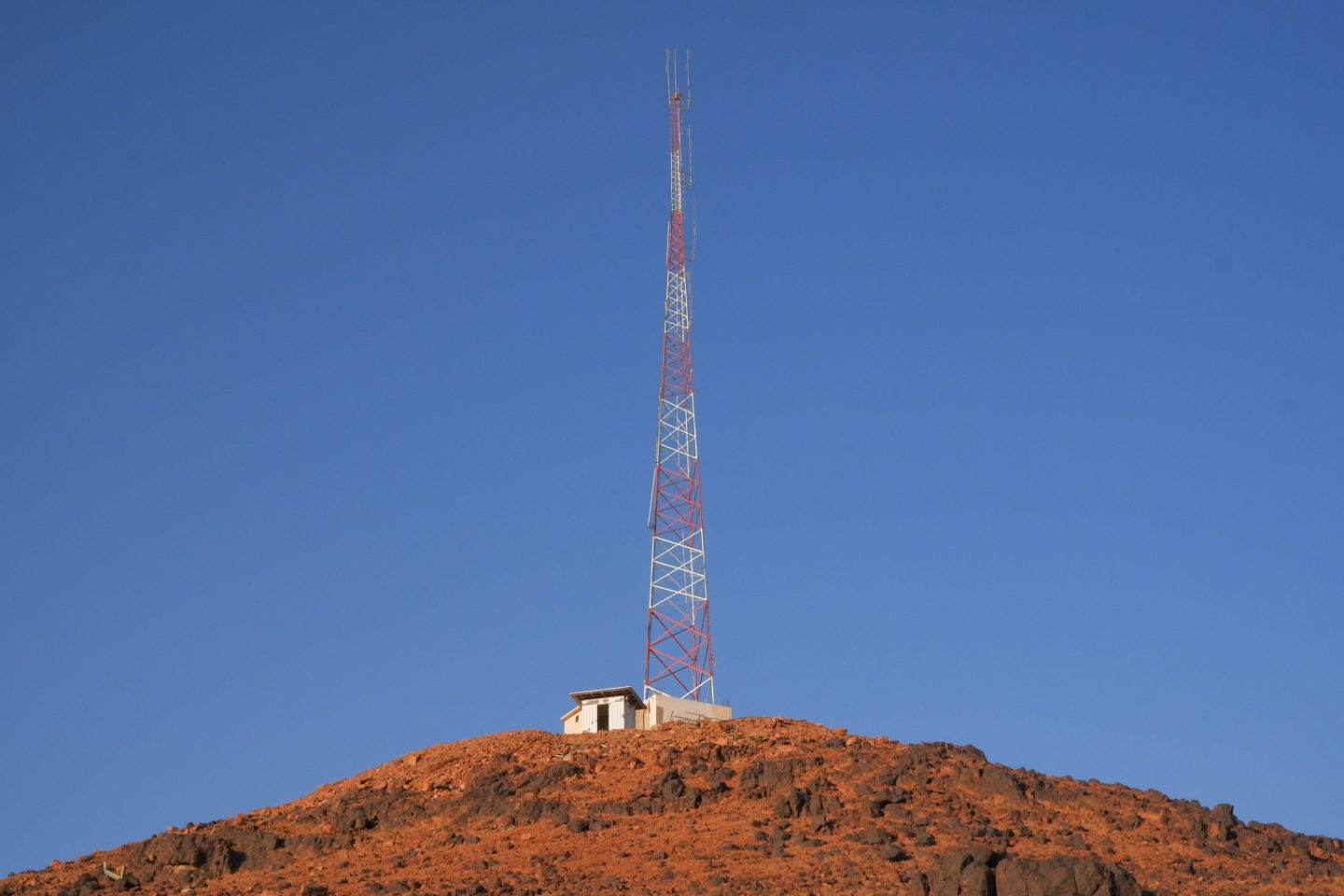
(Photo by Imam Abiyyu)
See also: How AI-RAN delivers operational ROI for telcos
Want to discover how IoT is transforming telecoms and connectivity? Join the IoT Tech Expo in Amsterdam, California, and London. Explore how innovations in 5G, edge computing, and IoT are shaping the future of networks and services. The event is part of TechEx and co-located with other leading technology conferences, click here for more information.
Telecoms News is powered by TechForge Media. Explore other upcoming enterprise technology events and webinars here.