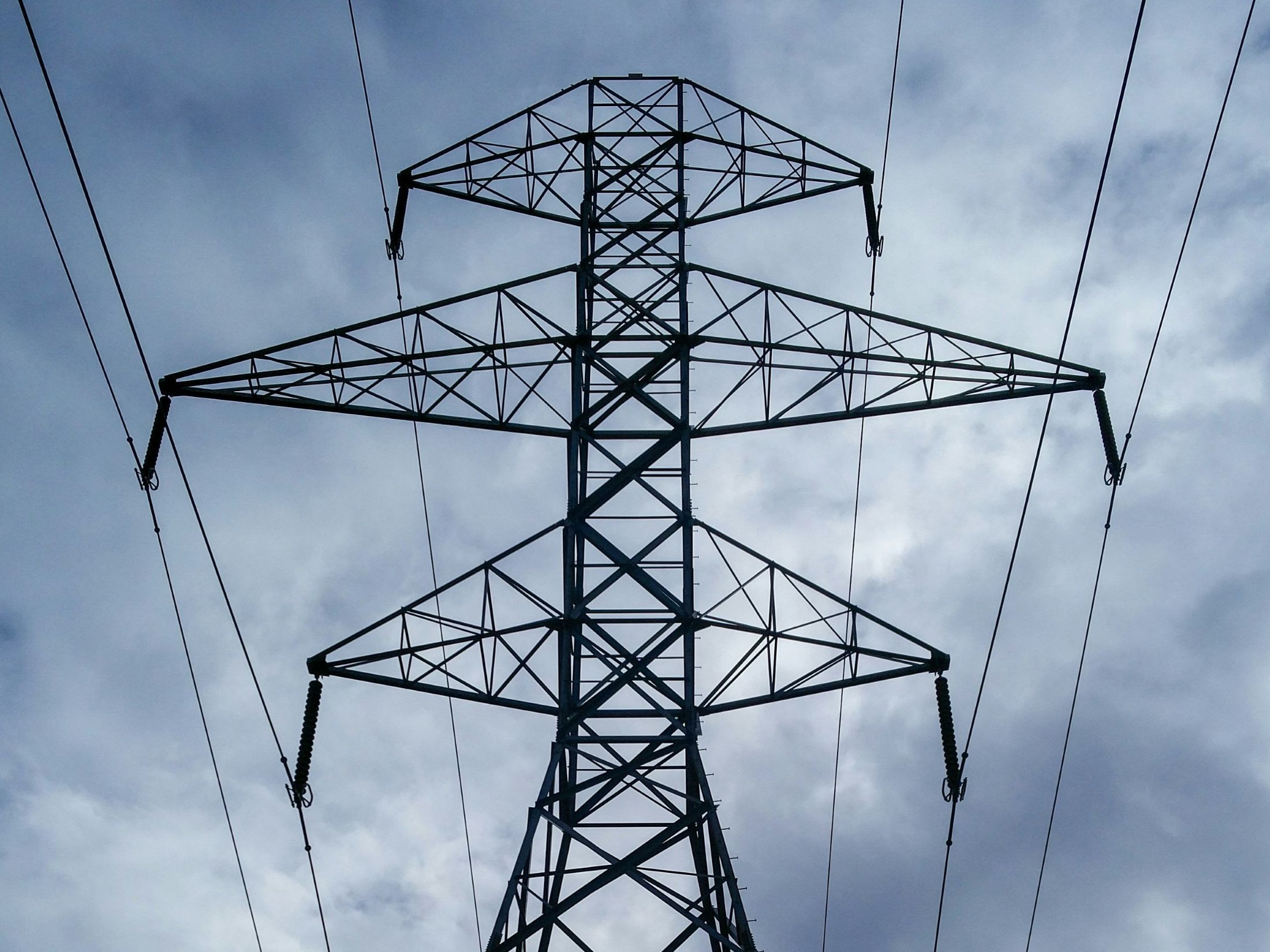
The National Grid is deploying digital twins to optimise how energy infrastructure is modelled and developed.
The transition to net-zero is forcing utility providers to rethink how they forecast demand and allocate capital. Infrastructure planners now face the challenge of converting vast datasets into actionable intelligence before grid capacity becomes a bottleneck.
National Grid has partnered with Atos to launch ‘Triton’, a platform designed to streamline the planning of electricity networks through advanced visualisation and data integration.
Accelerating energy infrastructure decisions with digital twins
Triton is able to compress the timeline required for network reinforcement decisions. By generating a digital replica of the physical infrastructure, the system allows engineers to run complex network scenarios rapidly. According to project specifications, this capability reduces the time needed to analyse and decide on network reinforcements by 70 percent.
The system maps future demand at specific grid supply points and transmission substations, providing the long-term visibility required to direct investment where it is most needed. This approach replaces static planning models with dynamic simulations, enabling the grid operator to support the increase in energy demand essential for decarbonisation targets.
Owen Wilkes, Network Design Director at National Grid, said: “Triton demonstrates how innovation, data and technology can drive positive change and accelerate progress towards our decarbonisation goals.
“Through our collaboration with Atos we have created a product that will enable National Grid to virtually model scenarios for how, when and where we expand our network and services to meet increased demand for energy, ensuring we continue to deliver a resilient, future-ready electricity network.”
A recurring hurdle in digital transformation initiatives is the fragmentation of data across legacy systems and external partners. Triton addresses this by consolidating thousands of datasets provided by Distribution Network Operators (DNOs) and Transmission Owners.
The digital twins platform automates the processing of this diverse information, feeding it directly into National Grid’s deeper monitoring and engineering tools for its energy infrastructure. This integration speeds up model configuration and facilitates faster stress-testing of multiple network options.
Graham Scanlon, Head of Critical National Infrastructure at Atos UK&I, commented: “This tool will improve efficiency and remove risk for National Grid. They can now make smart data-based decisions quickly.
“We’re pleased to have been able to support both their current operations and needs, and their future business. We are continually innovating on how to use technology to meet the challenge of climate change and shifting geopolitical winds.”
Impact of the National Grid project on enterprise connectivity
Beyond internal efficiencies for the utility provider, the deployment of digital twins for infrastructure modelling has direct implications for commercial energy consumers. The platform helps identify where new infrastructure is required and supports the assessment of future customer connections.
The system aids in evaluating the impact of high-load connections (such as data centres) and embedded generation on local and regional network capacity. CTOs and facility managers planning large-scale compute facilities or renewable installations can leverage improved grid modeling for more reliable connection timelines and capacity assurances.
The project’s focus on data utilisation recently earned National Grid and Atos the “Unlocking Data Award” at the Utility Week Awards 2025. The recognition points to a wider industry trend where data maturity is becoming synonymous with operational resilience and the ability to progress the clean energy transition.
Triton serves as a case study for legacy industries attempting to modernise their decision-making frameworks. By coupling digital twins with automated data ingestion from external partners, organisations can move from reactive maintenance to predictive planning. In the energy sector, this enables the identification of solutions without the extended lead times that historically plagued infrastructure upgrades.
See also: IoT over LoRaWAN for AI-powered building management
Want to learn more about the IoT from industry leaders? Check out IoT Tech Expo taking place in Amsterdam, California, and London. The comprehensive event is part of TechEx and is co-located with other leading technology events including AI & Big Data Expo and the Cyber Security Expo. Click here for more information.
IoT News is powered by TechForge Media. Explore other upcoming enterprise technology events and webinars here.