Defending mobile networks against modern threats like cellular UAV exploitation requires advanced network intelligence.
In June 2025, Ukraine executed Operation Spiderweb, an attack disabling or destroying around 20 Russian aircraft across five airbases. The attackers routed telemetry, command instructions, and audio-visual feeds through Russia’s own mobile networks. This event highlighted how unmanned aerial vehicles readily utilise standard telecom infrastructure to bypass traditional military radio frequency jamming.
Historically, military planners dismissed civilian networks for operations. Meanwhile, the commercial sector spent years optimising LTE and 5G standards for airborne devices, with 3GPP Releases 15 through 18 formalising native support for drone communications. These commercial advancements created a ubiquitous, high-bandwidth communication grid that malicious actors now exploit using off-the-shelf 4G modems and foreign SIM cards.
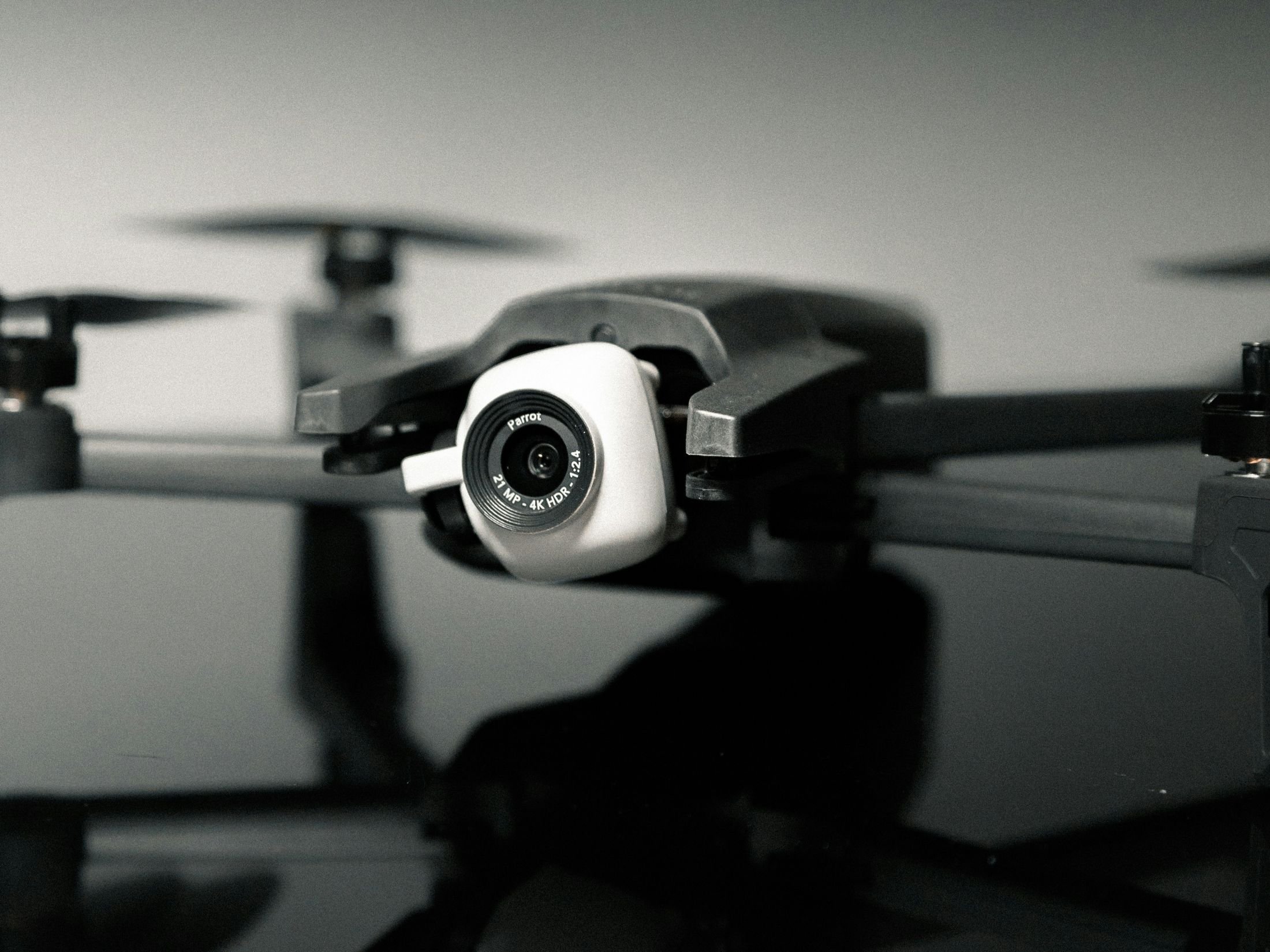
For network operators, this development forces a reassessment of infrastructure risk and compliance. Drones employ cellular connections for three main functions: transmitting telemetry, returning audio-visual feeds, and receiving command and control instructions. Equipping a drone with a Wi-Fi video camera and a 4G modem allows an operator to broadcast live footage.
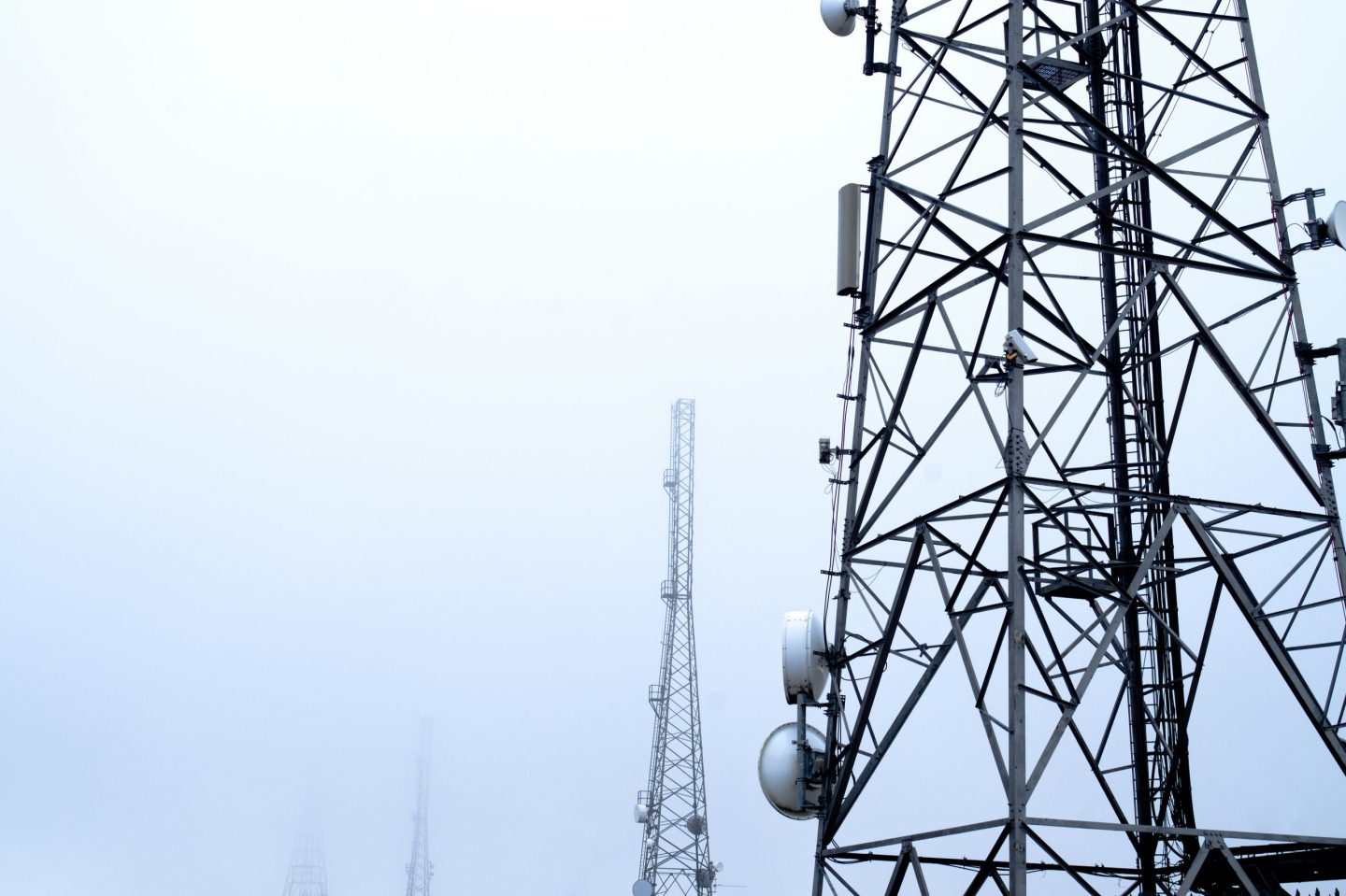
These connections rely on the same infrastructure supporting enterprise connectivity and consumer mobile internet. When an operator experiences an attack routed through its cell towers, the traditional brute-force response involves disabling the mobile network or shutting down mobile internet entirely. However, these sweeping actions cause massive economic damage and disrupt vital enterprise operations, costing hundreds of millions of dollars per day.
Operators must implement more sophisticated defence mechanisms to maintain network resilience while neutralising airborne threats. Simple countermeasures, such as temporary or permanent area suspensions around sensitive sites, remain highly reactive and degrade service for legitimate users.
Attempting to block new foreign SIM cards or devices returning from abroad often yields mixed results, as determined attackers easily generate false activity to bypass these 24-hour waiting periods or simply swap International Mobile Equipment Identity numbers.
The most viable countermeasure involves network activity blocking. This requires deep packet inspection and behavioural analysis to detect devices exhibiting drone-like characteristics. Operators must monitor unusual trajectory patterns, altitude indicators, and specific data consumption profiles that differentiate a fast-moving drone from a passenger in a high-speed train.
Implementing this level of network intelligence demands machine learning models paired with extensive feature engineering. Without proper calibration, operators risk high false positive rates, disconnecting legitimate enterprise IoT devices or roaming users. A highly-accurate detection system enables the operator to disconnect the malicious device from the network or potentially force a landing if the control protocols remain unencrypted and identifiable.
Operators must view their infrastructure as a contested environment. Integrating advanced cybersecurity partnerships and deploying behavioural network analysis directly supports broader business goals, such as offering secure private 5G slices and monetising API access for enterprise clients.
Preparing for cellular drone threats ensures that communication service providers deliver the resilience and uptime that industrial and enterprise customers demand, safeguarding operations against an increasingly complex threat landscape.
Learn more about this topic from Enea in their free report ‘Riders on the Cellular Storm’ here (PDF)
See also: Why AI is altering planning for 6G mobile networks
Want to learn about the IoT from industry leaders? Check out IoT Tech Expo taking place in Amsterdam, California, and London. The comprehensive event is part of TechEx and is co-located with other leading technology events including AI & Big Data Expo and the Cyber Security Expo. Click here for more information.
Telecoms is powered by TechForge Media. Explore other upcoming enterprise technology events and webinars here.