A new wave of campaigns in fast food is starting to look like structured experiences. In recent efforts by McDonald’s, meals now come with collectables and digital features built into the design. The aim is to keep customers coming back.
The idea is simple. A customer takes part in a system that encourages them to come back and keep engaging after the sale. In a recent campaign tied to the animated film KPop Demon Hunters, McDonald’s introduced themed meals that include collectable photo-cards and QR-enabled access cards. Customers can scan these codes through the company’s app to unlock exclusive content linked to the film.
Each meal also includes access codes that can be entered through the app to unlock additional digital content tied to the campaign. The setup connects physical purchases to digital interaction in a way that extends the campaign beyond the initial transaction.
Repeat behaviour
Fast food promotions often rely on limited-time offers, but what has changed is how these offers are structured. Instead of offering one simple reward, the campaign combines collectables with app-based content. It also gives customers a reason to come back before the promotion ends. The campaign also includes film-themed content in the app, giving customers something to do after the purchase, not something to buy.
Industry coverage says the campaign links the meal to collectables and app-based rewards. That creates a loop between store visits and digital activity. In practice, each step pushes the customer to the next one. The meal leads to a collectable, the collectable leads to a scan, and the scan opens digital content. That flow increases the odds of a return visit.
Collectables to drive demand
Collectables have been part of fast food marketing for decades, but their role is changing. In this campaign, photo-card packs are central to how the experience works. Each meal includes a card tied to one of the film’s groups, which encourages repeat visits from customers who want to collect more items. The use of scarcity adds to this effect. Limited-time availability creates urgency, while the idea of completing a set creates a reason to come back.
Analysts cited in recent coverage say campaigns tied to strong fan interest can lift traffic and sales. The results still depend on how the campaign is run and how much demand it builds.
Another change is how packaging is being used. The inclusion of QR codes and access cards turns physical items into entry points for digital experiences. Instead of ending at the counter, the interaction continues through the app. This allows McDonald’s to connect offline purchases with online behaviour. When a customer scans a code, the company can track participation and measure how users move through the campaign.
Coverage of the campaign highlights how this approach links in-store purchases to app use and digital content, extending engagement beyond the initial visit. The result is a more connected system where physical and digital channels work together.
A mirror of gaming
The way these campaigns are built shares similarities with game design. There are clear steps, customers collect items and unlock content, which gives them a reason to return. The process is not the same as a game, but the structure feels familiar. The approach works because it creates small goals and quick feedback. A customer can see immediate results after scanning a code, while the broader campaign encourages longer-term participation.
Rather than just offering a product, the campaign encourages customers to interact with a broader themed experience linked to the film, changing the role of the customer from buyer to participant.
Collectables strategy and marketing today
The change toward these types of campaigns highlights a few broader changes. First, the product and the campaign are becoming harder to separate. The meal itself is part of the experience, not the item being promoted. Second, data collection is moving closer to the point of purchase. QR codes and app interactions allow brands to capture signals directly from in-store activity. Third, campaigns are becoming systems not one-time events. Each element is designed to lead to another step, which helps maintain engagement over time.
There are also limits. If the experience is too complex or the rewards feel repetitive, interest may drop. The balance between simplicity and engagement remains important.
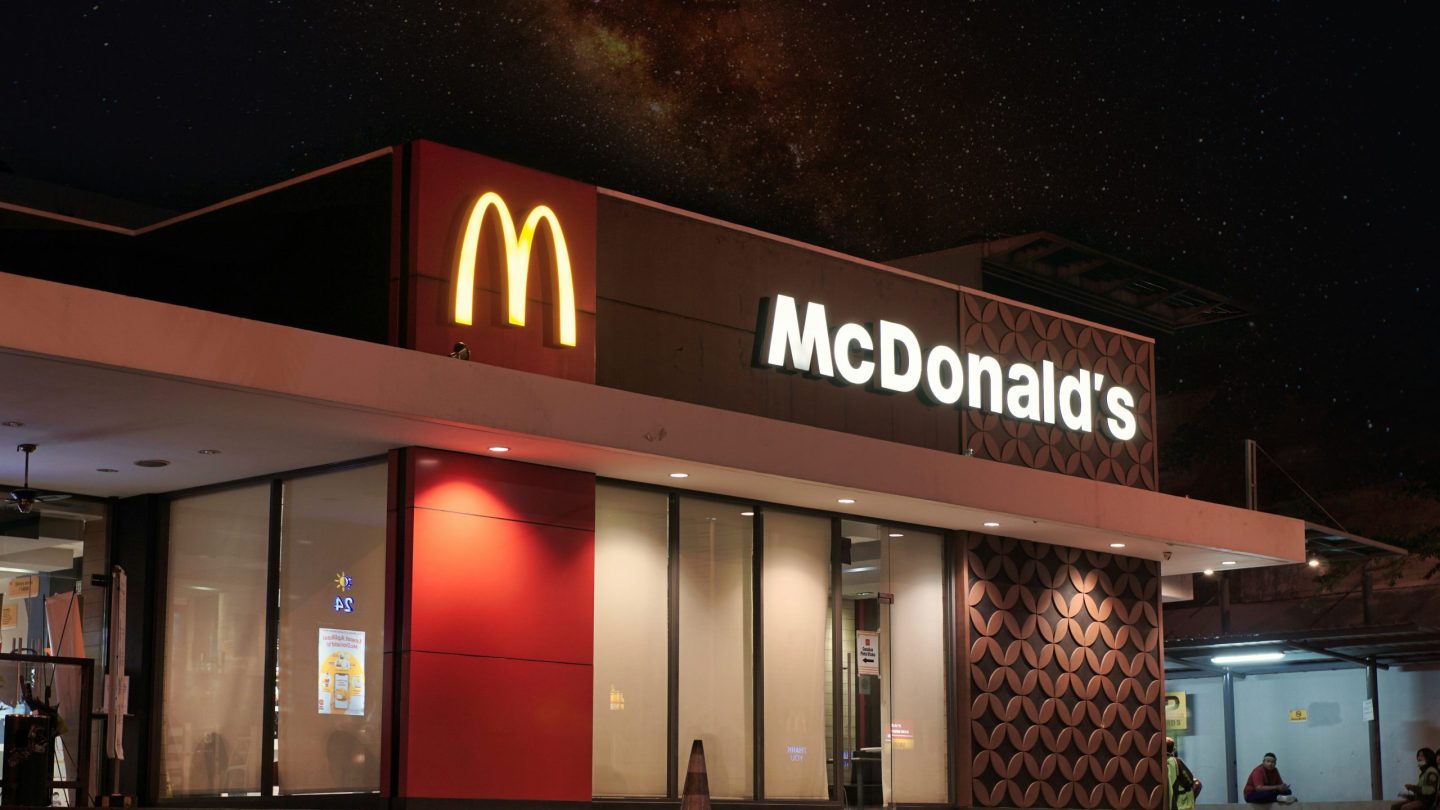
(Photo by Visual Karsa)
See also: Unilever adjusts marketing to respond faster to consumer trends
Find out more about the Digital Marketing World Forum series and register here.