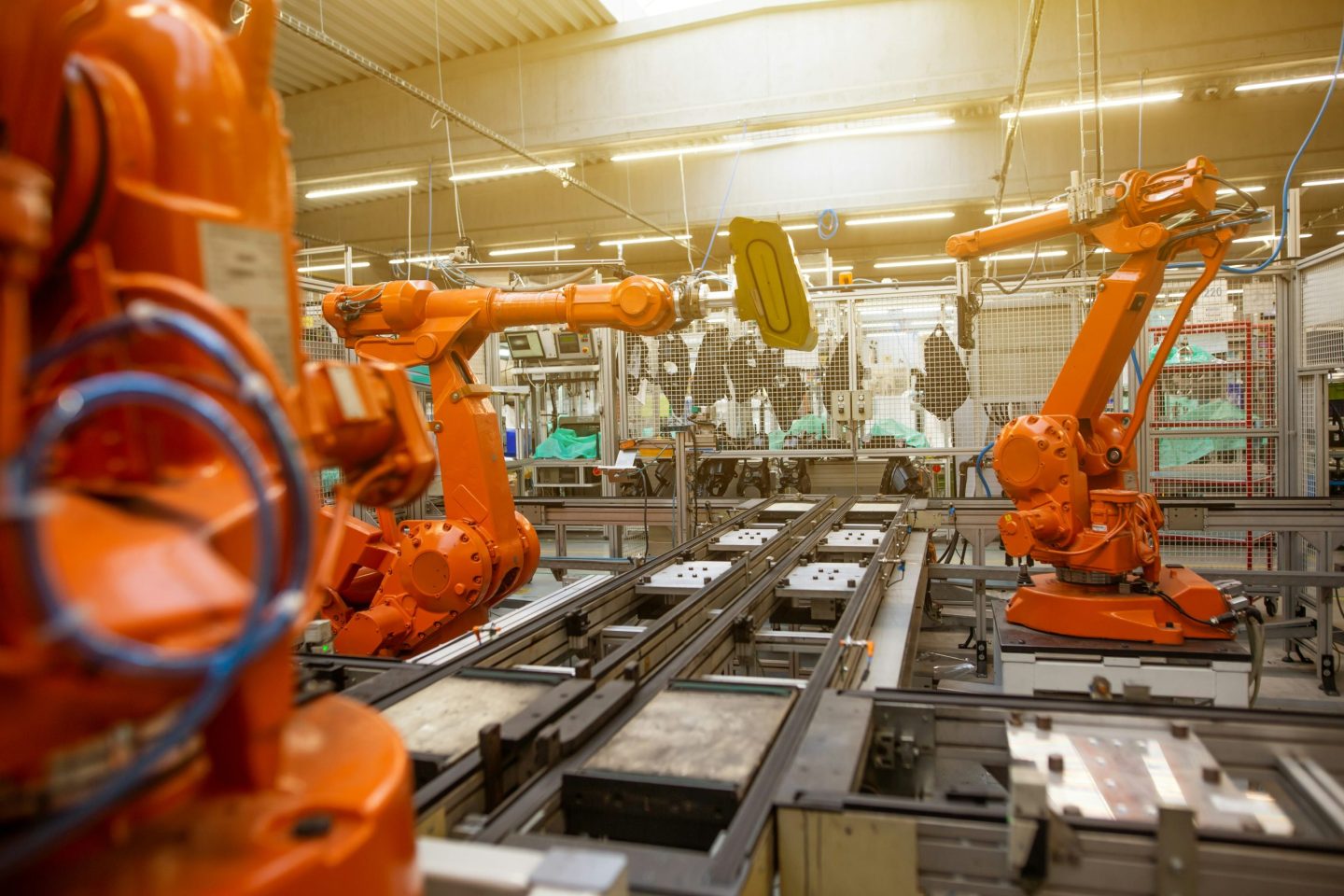
Machines on factory floors are not physical tools. Many are now connected and monitored in real time. The next step goes further: creating digital versions of those machines that can be tested and analysed without affecting the real asset.
Digital twins are starting to play a larger role on factory floors. From basic tracking to simulation, digital twins are becoming part of day-to-day operations for companies managing large fleets of equipment. Firms like LG CNS are working in this space by combining IoT data with software platforms to build virtual models.
Many industrial firms began their digital journey with asset tracking. Sensors were added to machines to monitor location and basic health data which helped reduce loss and gave operators a clearer view of what was happening on the ground. Digital twins build on that same data, but use it differently. Instead of only showing current status, they create a live digital model of a machine.
Industry estimates suggest the global market in digital twins could reach around $28.9 billion in 2025, while about 40% of organisations are piloting projects and a smaller share are at more advanced stages of deployment. Physical tracking shows what is happening now. A digital twin can help show what might happen next.
Real-time data as the foundation
Sensors placed on machines collect information like temperature and load with data sent to a central platform where it can be processed and analysed. This is where companies like LG CNS work. Rather than building machines, they focus on connecting systems and bringing together data so it can be used consistently.
Gaps in data or delays in transmission can leave models out of sync with real conditions. Connected machine data can help improve performance and reduce downtime through real-time monitoring and analytics. Digital twins take this further by allowing teams to test decisions before applying them in real operations.
Where digital twins create value
The value of digital twins becomes clearer when looking at how they are used in practice.
- Predictive maintenance: Instead of waiting for a machine to fail, operators can use the digital model to spot early signs of wear. Changes in vibration or heat can signal that a part is likely to break. Repairs can then be scheduled before a failure happens. This reduces downtime and helps avoid sudden stops in production.
- Energy use and efficiency: Machines do not always run at their most efficient settings. A digital twin can simulate various operating conditions to determine how energy consumption changes. Over time, this can help reduce power consumption, which is a concern for factories facing higher energy costs. According to the International Energy Agency, industry accounts for around 37% of global energy use. Even small gains in machine efficiency can matter at scale, and industry research links digital twin use with better operational performance.
- Operational planning: Digital twins also allow teams to test scenarios without affecting live systems. For example, a factory can model what occurs if production speeds increase when a machine is forced offline for repair. This helps planners make better decisions without risking delays or damage.
- Managing complexity in systems: One of the main challenges in building digital twins is the mix of systems involved. Many factories still use older machines that were not designed to be connected. Data formats can vary, and some systems may not communicate easily with others. Integration becomes a important task. LG CNS and similar firms work to link these systems so data can flow consistently. Edge computing can also help by processing some data closer to the machine, reducing delay and improving response times.
Risks and limits to consider
Data accuracy is one concern. If the data feeding the model is incomplete or delayed, the digital twin may give a false picture of how a machine is performing. This can lead to poor decisions. Security is another issue. Connecting machines to networks increases the number of entry points for attacks. Industrial systems were not always designed with this level of connectivity in mind.
There is also the cost of building and maintaining these systems. Setting up sensors and integration layers requires time and investment. In some cases, the return may take years to show.
LG CNS, a Platinum sponsor at IoT Tech Expo North America 2026, is expected to discuss how machine data and analytics support digital twin use cases in industrial settings.
Machinery as a digital asset
The change toward digital twins reflects a broader change in how machines are viewed. They are physical assets that need maintenance and sources of data that can be analysed and used to guide decisions. This change can affect how large operations are planned and maintained. Digital twins do not replace the need for physical equipment, but they add a new layer of insight.
As more firms adopt IoT and data-driven tools, the line between physical machines and digital systems continues to blur. What started as simple tracking is moving toward full simulation, where machines can be tested and improved before any change is made in the real world.
(Photo by Simon Kadula)
See also: How real-time data is changing machine maintenance
Want to learn more about IoT from industry leaders? Check out IoT Tech Expo taking place in Amsterdam, California, and London. This comprehensive event is part of TechEx and is co-located with other leading technology events, click here for more information.
IoT News is powered by TechForge Media. Explore other upcoming enterprise technology events and webinars here.