Methods used for search and online discovery in Southeast Asia are changing from traditional channels, with platforms like the Grab app playing a growing role. Rather than users typing queries into search engines or scrolling through social media, many are beginning to rely on in-app recommendations to steer their eating habits, where they go, and how they travel.
At its GrabX 2026 event, Grab Holdings introduced 13 new AI-driven features designed to change how users interact with its platform. The updates address areas like transport, food delivery, and payments. Grab is positioning its app as a system that recommends and surfaces choices rather than providing simple responses.
Transactions and recommendations
Grab is often used to accomplish specific tasks. Users might open the app to search for food or a ride and complete a transaction. The set of tools described as “Everyday AI Companions” will suggest places to eat, help plan trips, and provide guidance based on a user’s habits and location. According to Grab’s announcement, the goal is to support “local life, travel and business” through AI-driven assistance.
Features like Grab’s Discover feed and in-app assistants can recommend restaurants and show reviews without a direct search. Suggestions are based on past orders, time of day, and location data.
While recommendation systems are not new (TikTok and Amazon use similar methods), Grab combines discovery and transaction in one place.
Competition with search and social
As Grab expands its recommendation tools, it overlaps more with search engines and social platforms. Users who rely on Grab to choose a restaurant may use Google or Meta platforms less. The decision instead may happen inside the ‘superapp’. This creates a new type of competition around how users discover services.
According to Grab, the system is powered by what it calls an “Intelligence Layer,” built using data from over 20 billion rides and orders in its network. The system uses that data to personalise suggestions. The more users rely on recommendations, the more the app will influence which businesses are presented to users. Businesses listed on Grab will depend more on how the system ranks or recommends them, embedding an increasing degree of reliance on the platform and its opaque algorithms.
Marketing inside the Grab app
The updates also work on the behalf of merchants, providing AI assistants that can monitor store performance and suggest actions. One example is a “virtual store manager” that helps track orders and flag potential issues. Other tools use computer vision to monitor store conditions, like cleanliness or foot traffic.
These abilities sit alongside promotions and adverts, making up the app’s basic marketing and operations layer.
Small and medium-sized businesses that rely on Grab for sales can use Grab’s tools instead of separate systems for analytics and operations.
Grab’s AI push also includes tools for drivers. New voice assistants provide hands-free route suggestions and real-time updates. While these features are not directly linked to marketing, they will have an effect on service quality and brand perception.
Over time, improvements in service may influence retention and repeat use, which in turn affects how often users interact with recommendations inside the app.
Getting discovered on Grab
The broader impact of these changes is a change in how brands reach customers. Traditional digital marketing relies on search rankings, social media content, or paid ads. In Grab’s model, discovery happens through an internal system that selects and presents options to users. Instead of only optimising for external platforms, brands may need to consider how they appear in Grab’s ecosystem. Factors like customer ratings and engagement in the app could play a larger role.
Recommendation systems also raise questions about transparency, as businesses have direct explanation of how they are ranked or why their products or services may be suggested.
Next for the Grab app
The features announced at GrabX are still in the early stages of rollout, with availability expected to vary by market. Their impact will depend on how they are adopted and how well they perform in daily use. Even so, Grab is using AI to improve efficiency and to change how users discover and choose services. If users rely on these systems for everyday decisions, Grab could play a larger role in which brands are seen and chosen.
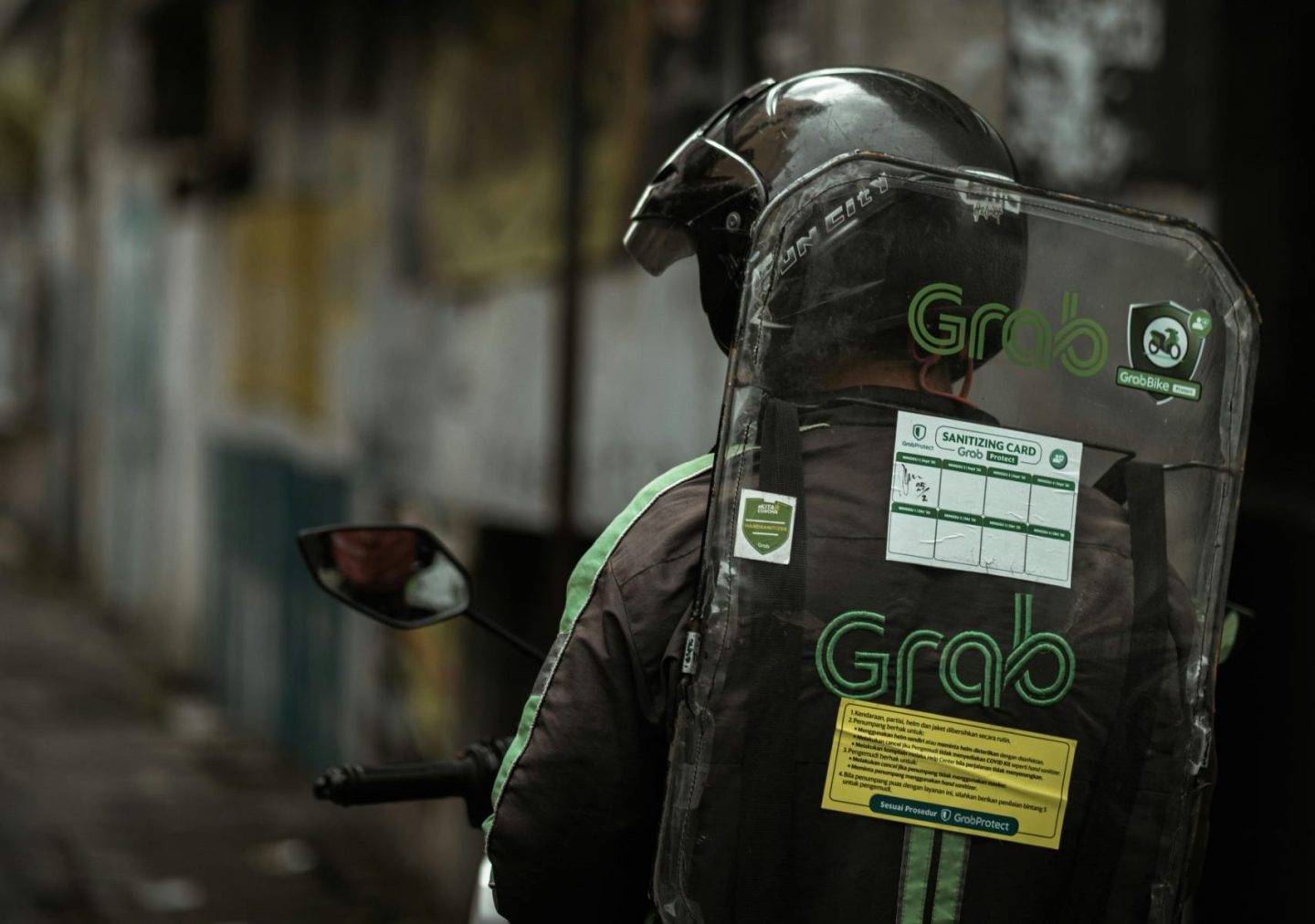
(Photo by Farel Yesha)
See also: Search moves beyond keywords as AI reshapes ad targeting
Find out more about the Digital Marketing World Forum series and register here.