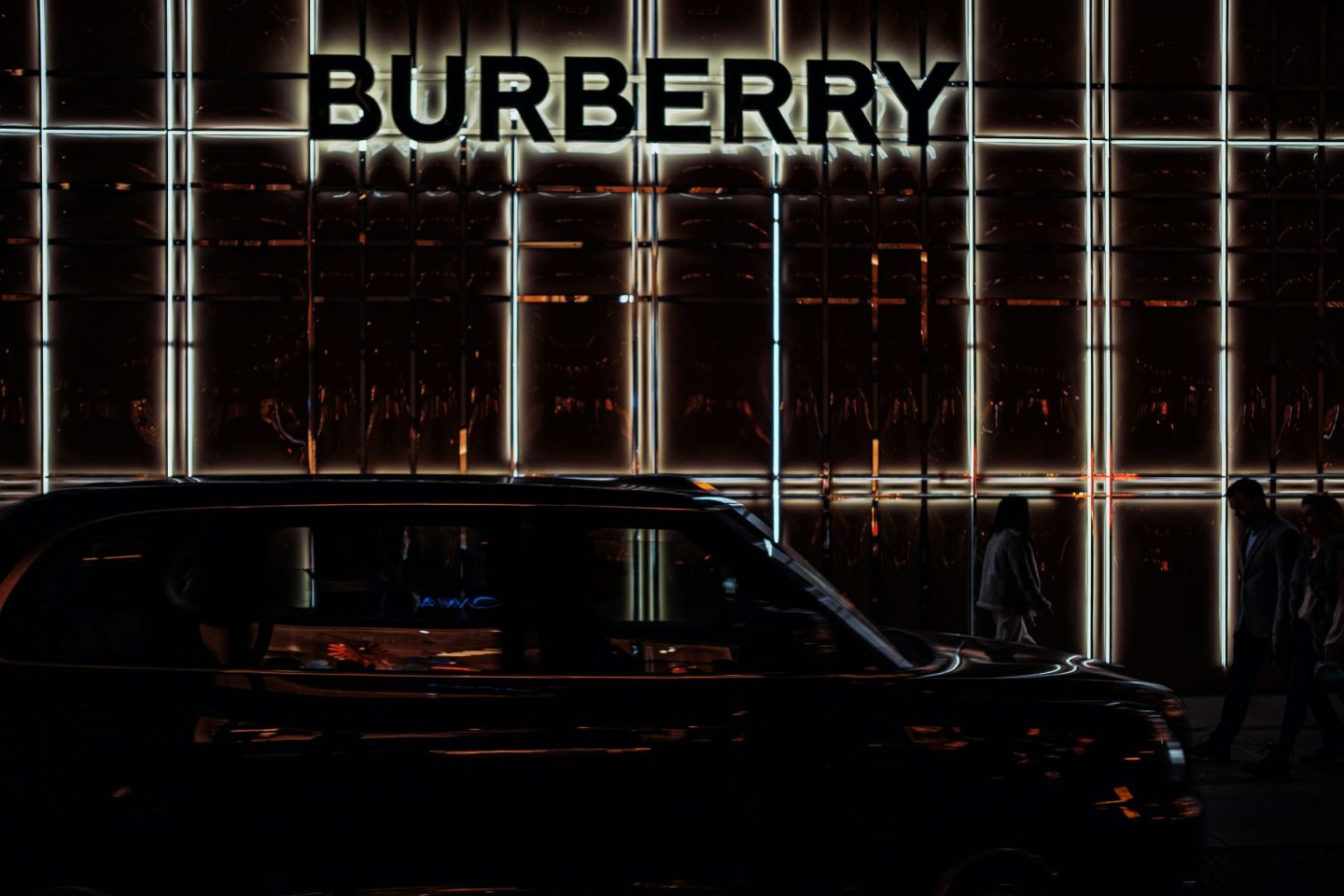
Many luxury brands built their image through print ads and seasonal campaigns planned months in advance. Burberry’s recent marketing campaigns show how that model is changing. Social platforms have reshaped the rhythm of fashion marketing, pushing teams to work on shorter cycles and respond to trends that appear online.
Recent Burberry campaigns have placed renewed attention on the brand’s trench coat heritage. Campaign imagery has featured figures like Kate Moss and Kid Cudi, both of whom have appeared in Burberry creative work tied to the brand’s outerwear heritage.
The trench coat has been central to Burberry’s identity for more than a century. What has changed is how the brand presents that story. Campaign visuals are built to circulate in social platforms, where audiences often encounter fashion brands for the first time.
Social platforms reshape fashion marketing
Platforms like Instagram and TikTok allow brands to publish images and short videos directly to global audiences. Content can spread through reposts and creator collaborations. Algorithmic feeds can push it even further.
Fashion companies now treat these platforms as important channels for campaign launches. Instead of releasing a small number of polished ads, brands often produce a steady stream of digital material tied to a single campaign.
Industry coverage suggests Burberry has been adjusting its marketing process to match this environment. In an interview published by Vogue Business, the company’s chief marketing officer said the brand needed to move faster and respond to cultural moments more quickly than before.
The interview highlights how social platforms have altered the pace of fashion marketing. Campaigns now appear in shorter bursts and often combine photo shoots with short clips and behind-the-scenes content.
Heritage products remain central to Burberry’s marketing
While the format of campaigns has changed, many luxury brands still rely on familiar products to anchor their message. For Burberry, the trench coat plays that role.
The coat dates back to the early twentieth century and became associated with the brand during wartime use and later through film and fashion photography. Over time, it became one of the company’s most recognisable designs.
Highlighting the trench coat allows Burberry to connect its history with modern digital storytelling. A product that carries decades of cultural meaning can still appear relevant when presented through new creative formats.
Industry observers say heritage items often perform well in social campaigns because they provide a clear visual identity. When audiences scroll through a feed filled with images, a recognisable product can help a brand stand out.
Cultural figures extend the reach of Burberry’s marketing campaigns
Modern fashion campaigns often include public figures with large online audiences, including musicians and models. Such figures bring their own followers to the campaign and help content circulate in social platforms.
Kate Moss has been linked to Burberry’s image for years through past campaigns and runway appearances. Kid Cudi represents a different part of popular culture, with strong visibility in music and entertainment.
Using figures from different creative fields can broaden a campaign’s reach. Images and clips from the campaign may appear in fashion feeds as well as music or entertainment communities. This type of collaboration reflects a wider pattern in digital marketing. Brands often look beyond traditional fashion media and aim for visibility in many online spaces.
Short-form video becomes central
Short videos have become one of the most important formats used in fashion campaigns today.
Clips that run for a few seconds can show how a garment moves or how it fits into everyday style. They are also easier to share and remix than longer promotional films. Platforms like TikTok encourage frequent posting and rapid feedback. Users can respond with comments and reposts. Some also create their own versions of a video.
Fashion brands have adapted by producing more informal content with traditional photo shoots. The result is a mix of polished visuals and spontaneous clips that feel native to social media. Burberry’s campaign imagery appears designed to work in that environment. Campaign visuals can circulate easily in feeds where fashion content sits with music and daily life.
Marketing workflows continue to shift
The rise of social platforms has also influenced how fashion marketing teams operate and how quickly they produce campaigns.
Industry interviews suggest fashion brands are working more closely in marketing and product teams. That may help campaigns respond faster to online trends. If a particular product gains attention online, marketing teams can produce additional content to build on that momentum.
The Vogue Business interview with Burberry’s marketing leadership suggests the company has been reviewing how quickly campaigns move from concept to release. The change reflects a wider trend in fashion marketing. Digital platforms produce immediate feedback about what audiences like or ignore. Brands often adjust campaigns in response to that data.
A wider change in luxury retail
Burberry is not alone in this shift, as many luxury houses now plan campaigns with social distribution in mind from the start. Analysts note that younger shoppers often encounter fashion brands through social feeds not through traditional advertising. Campaigns, therefore, need to appear in spaces where audiences already spend time.
Digital metrics also influence decision-making. Brands track which posts gain attention and which videos are shared. They also watch which products appear in user-generated content.
How Burberry blends heritage with digital marketing
The trench coat campaign illustrates how a long-established fashion brand can present familiar products through modern channels. Burberry continues to draw on its history while adjusting how its marketing operates. Campaigns now move at a faster pace and appear in formats designed for online platforms.
Industry coverage from outlets like Vogue Business suggests this approach reflects a wider adjustment in luxury marketing teams.
The change is less about abandoning heritage and more about translating it into formats suited to social media. Brands still rely on recognisable products and cultural references. The difference lies in how those elements are presented and how quickly campaigns reach the public.
As social platforms remain central to fashion marketing, heritage brands will likely continue adapting their creative process to match the speed and style of digital audiences.
(Photo by Samuel Regan-Asante)
See also: DMWF Spotlight: The 2026 social media trends rewriting the rules of discovery and distribution
Find out more about the Digital Marketing World Forum series and register here.