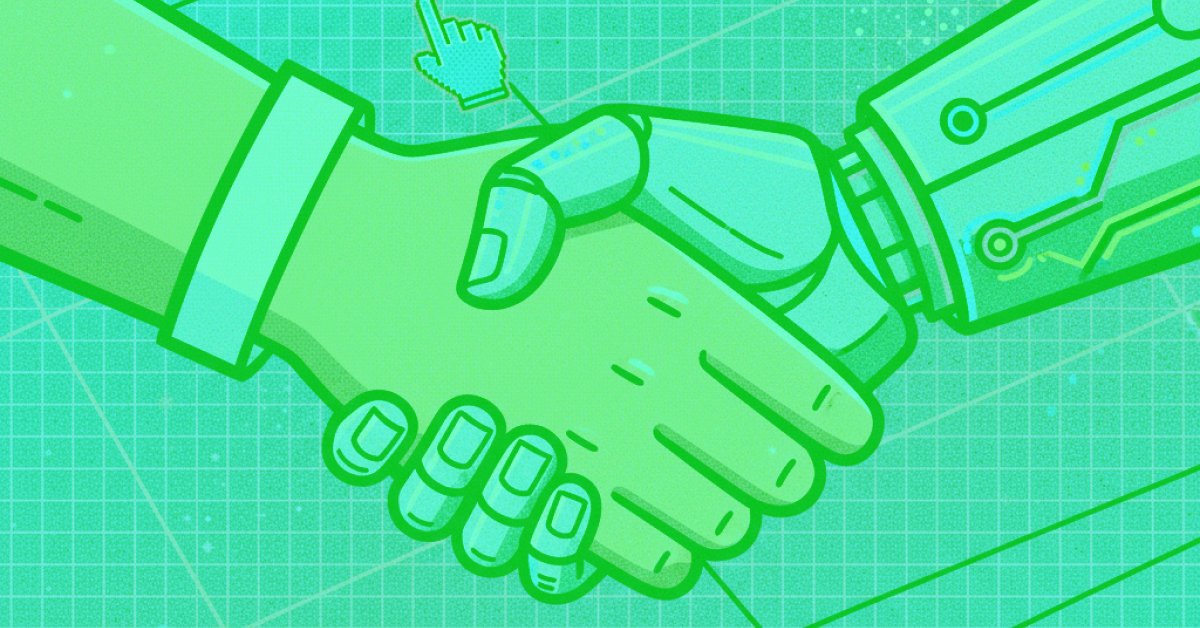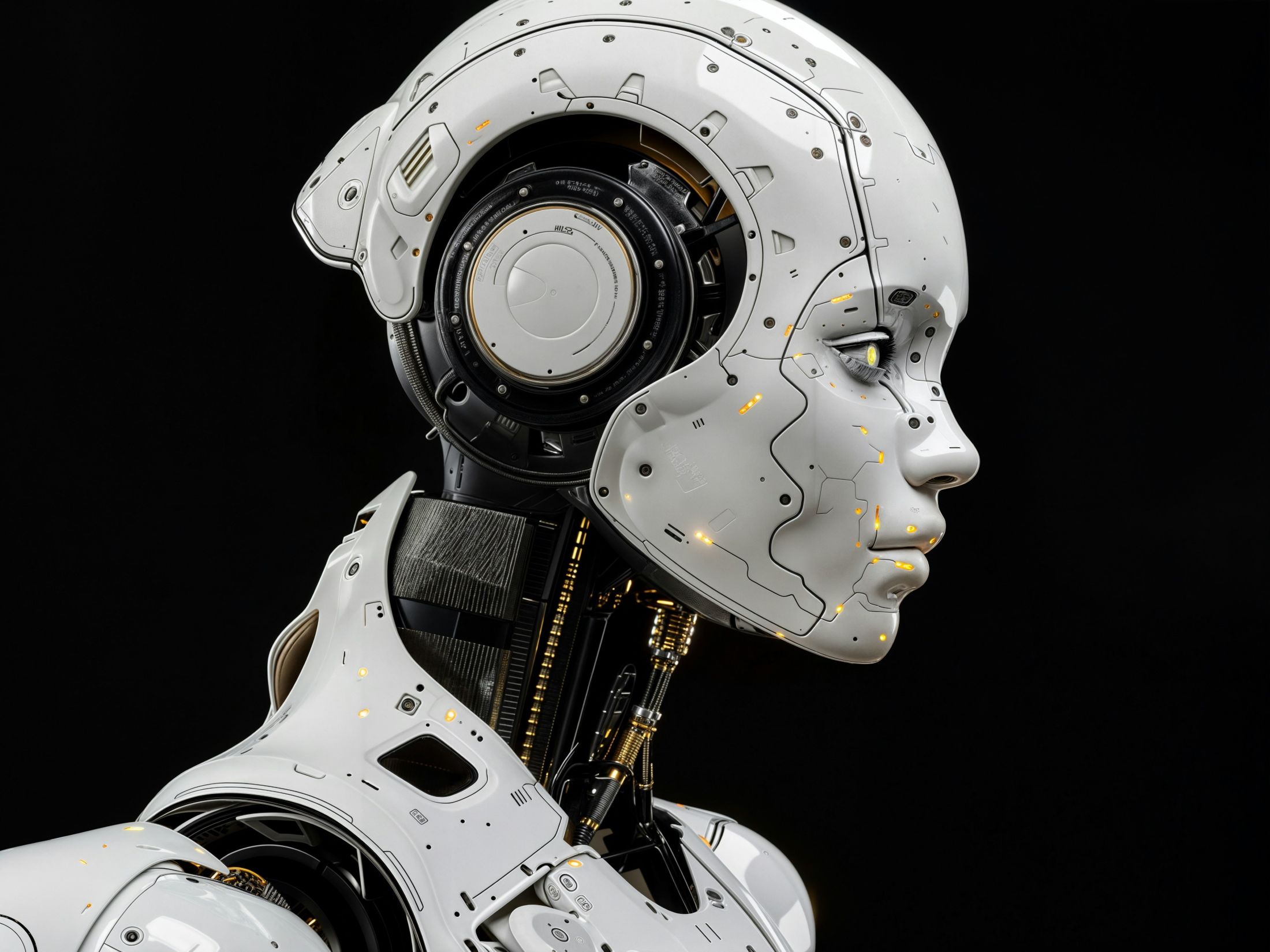
Physical AI and geospatial models are advancing enterprise operations by connecting digital intelligence with industrial environments.
Online goods and services account for roughly 20 percent of the global economy. Generative models capably handle online ads and streamline white-collar work in software engineering, law, and marketing. Yet, the remaining 80 percent of economic activity happens outdoors or on factory floors.
John Hanke, CEO of Niantic Spatial, points out the limitations of current systems: “The problem is that AI is in many ways trapped inside the screen, deeply knowledgeable about concepts derived from the mountains of text on the internet, and yet woefully ignorant about the world outside the door of the data centre, much less the factory floor, the farm, the construction site, the oil refinery and the cities in which we live.”
To justify trillions in capital expenditure, technology must address the offline economy. Machines require physical world knowledge and embodied forms to manipulate their surroundings. “To reason, plan, and act on problems involving the world, AIs must know it,” Hanke states.
Engineering spatial intelligence
Large language models cannot direct industrial hardware alone. Developers are turning to physical AI, which trains on video to guide articulation, and world models that generate synthetic 3D training scenarios to simulate environments.
Deploying these applications demands a foundational layer of spatial data. Niantic Spatial is engineering a large geospatial model designed for machines rather than human operators. The company is building “a living, breathing map of the world, one that is native to robots and AI.”
This mapping layer assists in navigation and task planning. Robots use it to find safe paths through urban areas, transport supplies over rugged terrain, and navigate factory complexes to perform work across different locations. AI agents also use the data to compute suburban fire risks and optimise city layouts.
Niantic plans to launch updated versions over the coming months to enable high-accuracy machine navigation, with future iterations adding semantics for deeper problem solving.
The automation ecosystem
Automating physical operations relies on integrated vendor ecosystems. Niantic expects its geospatial model to operate alongside physical AI from Physical Intelligence, Skild AI, and Flexion Robotics, as well as world models from World Labs, General Intuition, and Nvidia.
Nvidia’s Jensen Huang anticipates humanoid robots becoming “the next multi-trillion-dollar industry.” Hardware deployment already involves Boston Dynamics, Agility Robotics, Apptronik, and various mobile robotics companies serving healthcare and agriculture.
Plant managers and supply chain executives must identify processes where automation can safely perform undesirable or dangerous tasks. The priority should be increasing the standard of living rather than engineering what Hanke calls an “engineered confection of pixels and waveforms optimised to capture your attention until the next ad arrives.”
See also: Dedicated AI at the edge, fog, and cloud
Want to learn more about the IoT from industry leaders? Check out IoT Tech Expo taking place in Amsterdam, California, and London. The comprehensive event is part of TechEx and is co-located with other leading technology events including AI & Big Data Expo and the Cyber Security Expo. Click here for more information.
IoT News is powered by TechForge Media. Explore other upcoming enterprise technology events and webinars here.