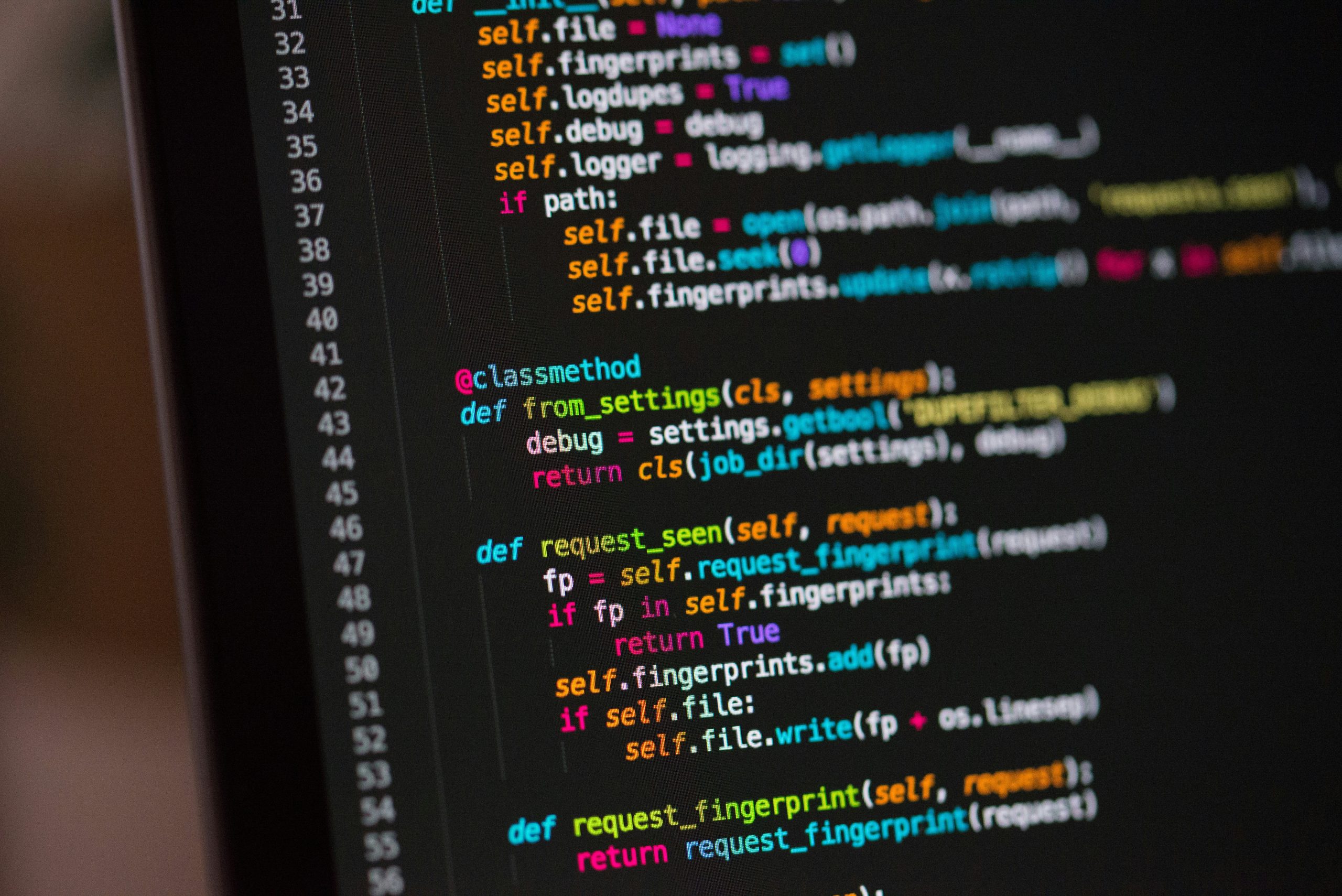
AI-generated code is not experimental. It is actively running in production environments in SaaS platforms, fintech systems, marketplaces, internal tools, and customer-facing applications. From AI copilots assisting developers to autonomous agents opening pull requests, the volume of machine-generated code entering production has increased dramatically.
The shift has created a new operational challenge: how do you reliably monitor AI-generated code once it is live?
Traditional monitoring strategies were designed for human-written code, slower release cycles, and predictable change patterns. AI-assisted development breaks many of those assumptions. Generated code often looks syntactically correct, passes tests, and deploys successfully, yet still introduces subtle risks related to security, performance, reliability, and maintainability.
Why monitoring AI-generated code in production environments is different
Monitoring AI-generated code is not about watching the AI itself. It is about managing the operational consequences of faster, higher-volume, and less predictable code changes.
AI-generated code introduces three structural shifts:
1. Increased change velocity
AI accelerates development speed. More code reaches production, more frequently, often with smaller human review windows. Monitoring must compensate for this acceleration by detecting issues earlier and with higher precision.
2. Pattern replication at scale
AI systems tend to reproduce patterns they have learned, good and bad. If a risky pattern slips through once, it can silently propagate in services, endpoints, or repositories. Monitoring must detect systemic issues, not just isolated failures.
3. Reduced human context
Developers may not fully understand every generated change, especially in large diffs or unfamiliar parts of the codebase. When incidents occur, teams need tooling that quickly restores context.
Best 5 tools for monitoring AI-generated code in production environments
1. Hud
Hud helps engineering teams understand how code behaves in production. In environments where AI-generated code is deployed frequently, Hud plays a important role in bridging the gap between code changes and runtime behaviour.
Instead of treating production issues as isolated alerts, Hud emphasises contextual debugging. This is particularly valuable when teams are dealing with generated code they did not write line by line and may not fully understand. By connecting runtime signals back to specific functions and changes, Hud reduces the cognitive load required to diagnose problems.
Key features include:
- Function-level visibility into production execution paths
- Strong correlation between deployments and runtime behaviour
- Context-rich debugging workflows that reduce investigation time
- Support for rapid iteration and safe experimentation
- Integration into developer-centric workflows
2. Snyk Code
Snyk Code addresses the security and quality risks introduced by AI-generated code before it reaches production. As generated code scales, so does the likelihood of introducing insecure patterns, even when individual changes appear harmless.
The tool focuses on identifying vulnerability patterns and insecure flows directly in source code. For teams using AI-assisted development extensively, Snyk Code acts as a guardrail that helps ensure velocity does not come at the expense of security.
Key features include:
- Static analysis for vulnerability detection
- Integration into pull request and CI workflows
- Clear, developer-friendly remediation guidance
- Policy enforcement for security standards
- Scalability in large numbers of repositories
3. Greptile
Greptile helps teams understand complex codebases, which becomes increasingly important as AI-generated code expands and modifies existing systems. When production incidents occur, one of the biggest challenges is determining how a change interacts with the rest of the application.
Greptile accelerates code comprehension by allowing engineers to explore relationships, dependencies, and use patterns in repositories. This is especially useful when generated code touches important paths or shared components.
Key features include:
- Semantic code search in repositories
- Dependency and use exploration
- Faster understanding of large generated diffs
- Support for impact analysis during incidents
- Improved review quality for complex changes
4. Semgrep
Semgrep provides customisable rule-based analysis that allows organisations to encode their engineering standards directly into automated checks. The is particularly powerful in AI-generated code environments, where repeated patterns can quickly introduce systemic issues.
By defining rules for security, reliability, and maintainability, teams can prevent entire classes of problems before code is merged. Over time, these rules become an institutional memory that protects systems as AI use grows.
Key features include:
- Highly customisable detection rules
- Enforcement of security and reliability patterns
- CI and pull request integration
- Scalability in diverse codebases
- Support for organisation-specific policies
5. SigNoz
SigNoz addresses the core runtime monitoring needs of AI-generated code in production environments. It provides full observability in metrics, logs, and traces, letting teams detect regressions, investigate incidents, and validate system health after deployments.
As AI deployment frequency increases, release-aware observability becomes critical. SigNoz lets teams compare system behaviour before and after changes, making it easier to identify which generated updates introduced performance or reliability issues.
SigNoz is particularly valuable for organisations adopting OpenTelemetry-based observability strategies.
Key features include:
- Metrics, logs, and distributed tracing in one platform
- Strong support for production debugging and RCA
- Visibility into performance regressions and error patterns
- Alerting and dashboarding for SLO monitoring
- OpenTelemetry-native instrumentation support
What can go wrong when AI-generated code reaches production
Without proper monitoring, AI-generated code can introduce production issues that are hard to detect early:
- Silent performance regressions caused by inefficient loops, missing caches, or N+1 queries
- Security vulnerabilities like unsafe input handling, injection points, or improper authorisation logic
- Operational instability due to missing retries, timeouts, or error handling
- Observability blind spots where new code paths lack logs, metrics, or traces
- Cost explosions from inefficient external API calls or background jobs
Many of these problems do not cause immediate outages. They degrade systems gradually, making proactive monitoring essential.
Monitoring AI-generated code is a lifecycle problem
Effective monitoring cannot start only after deployment. It must span the full lifecycle of code changes.
Pre-production signals
Before code is merged or deployed, teams need visibility into:
- Risky patterns
- Security vulnerabilities
- Violations of internal engineering standards
- Missing instrumentation or safeguards
Production signals
Once live, monitoring must answer:
- Is the code behaving as expected under real traffic?
- Did error rates, latency, or resource use change after deployment?
- Are new failure modes emerging?
Change attribution
When something goes wrong, teams must quickly answer:
- Which change introduced this behaviour?
- How large is the blast radius?
- Is the issue isolated or systemic?
Core abilities required to monitor AI-generated code in production
Rather than thinking in terms of “tools,” it is more effective to think in ability layers.
1. Code-level risk detection
This includes static analysis, rule enforcement, and pattern detection to identify issues before deployment. The abilities reduce the likelihood that high-risk generated code reaches production.
2. Runtime observability
Once deployed, teams need full visibility into how generated code behaves in real environments, including:
- Metrics (latency, error rate, throughput)
- Logs (structured, searchable, contextual)
- Distributed traces (end-to-end execution paths)
3. Change awareness
Monitoring must be release-aware. Signals should be correlated with:
- Deployments
- Commits
- Feature flags
- Configuration changes
4. Fast root cause analysis
When incidents occur, monitoring systems should accelerate investigation by:
- Highlighting anomalous behaviour
- Surfacing relevant context
- Connecting runtime issues back to code changes
Why this matters for engineering leadership
For engineering managers, platform teams, and executives, monitoring AI-generated code is not a technical nice-to-have, it is a risk management requirement.
Strong monitoring enables:
- Faster incident response (lower MTTR)
- Safer adoption of AI-assisted development
- Higher deployment confidence
- Reduced security and compliance exposure
- Better alignment between velocity and reliability
Without it, AI becomes a source of operational debt not usage.
How to evaluate solutions for monitoring AI-generated code
When evaluating solutions, focus on fit, not feature lists.
Key evaluation questions:
- Does this solution operate before, during, or after deployment?
- Can it scale as volumes of generated code increase?
- How noisy are the signals?
- Does it integrate cleanly into existing workflows?
- Who owns it, developers, security, or platform teams?
Most mature organisations combine multiple solutions, each covering a specific layer of the monitoring stack. When monitoring is done well, AI becomes a sustainable force multiplier, driving innovation without sacrificing reliability.
Image source: Unsplash