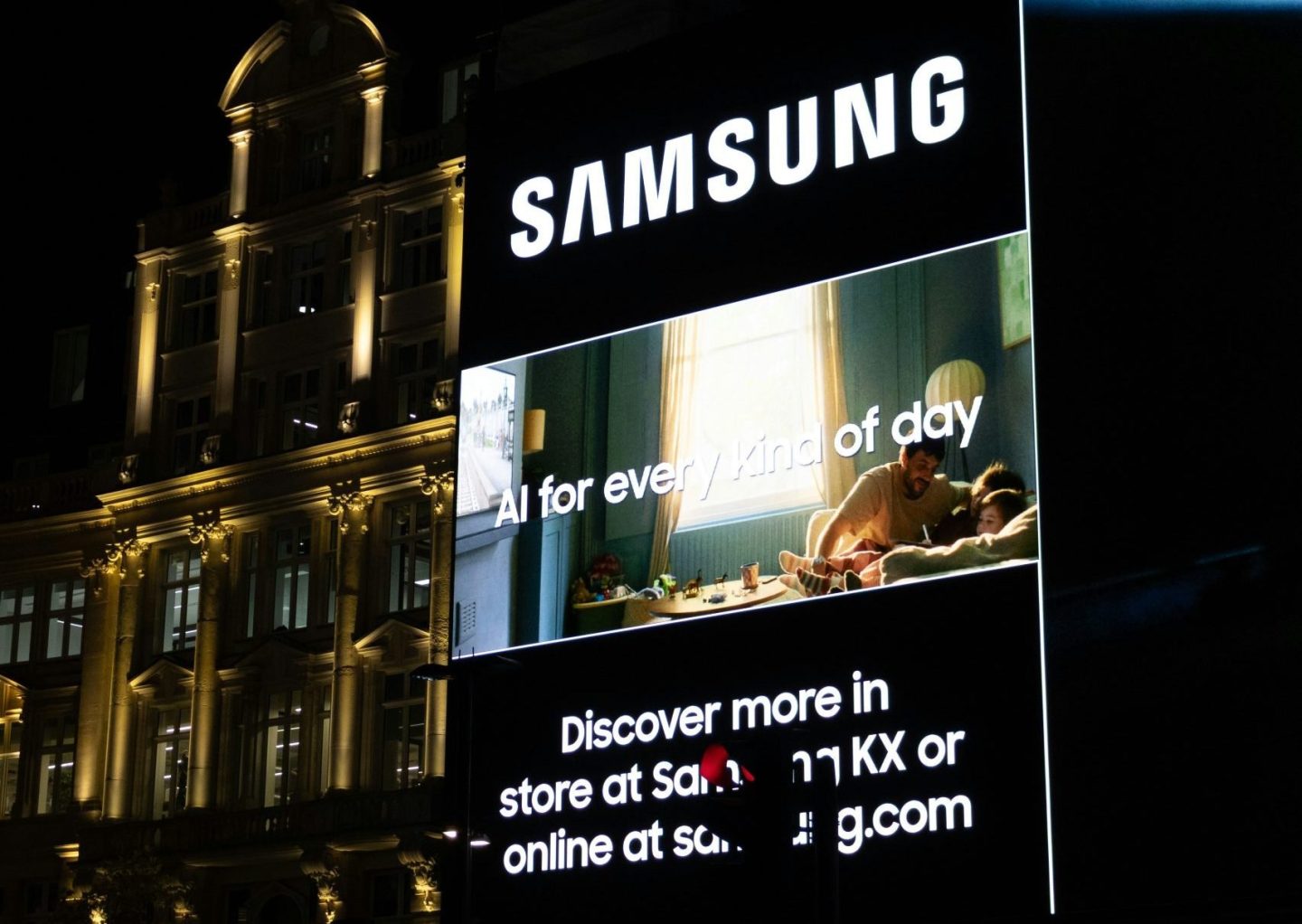
AI is beginning to shape how brands promote themselves, not just how they build products. At Samsung Electronics, that transition is becoming more visible in the marketing strategy.
Recent comments from Samsung’s US marketing leadership suggest the company is treating AI as part of its brand identity. Instead of limiting AI to product features or technical specs, Samsung is utilising it to frame how the brand communicates with customers and how it presents its devices in the market.
This reflects a broader change in how large consumer brands approach AI. The focus is moving beyond what the technology does and toward what it means in everyday use.
AI in Samsung brand messaging
In an interview highlighted by Axios, Samsung’s US Chief Marketing Officer Allison Stransky said AI now plays a central role in how the company tells its story. Rather than treating AI as a single feature, Samsung is weaving it into campaigns and messaging across product lines.
“We’re not marketing AI as a feature,” Stransky said. “We’re marketing how AI improves people’s lives.”
That shift reflects a wider change in how brands talk about technology. The emphasis is moving away from technical capability and toward daily use. In that framing, AI becomes less about performance and more about relevance.
This approach also helps simplify communication. AI systems can be complex, but marketing tends to work better when the message is clear and relatable. Focusing on use cases helps brands avoid technical explanations that may not connect with most consumers.
Changing how marketing is built
The shift is not limited to messaging, and it is also affecting how marketing is carried out. Across the industry, AI is being used to shape content, targeting, and media decisions. Tools can generate different versions of creative assets. They can also adjust campaigns in real time and help advertisers match ads to audiences more effectively.
According to McKinsey & Company’s latest State of AI research, 78% of organisations use AI in at least one business function. That shows how widely the technology has spread across areas including marketing and sales.
At a practical level, this is changing how marketing teams work. Campaigns are becoming less fixed, while more of the process is handled by software. Human teams still guide strategy, but AI is taking on a larger role in execution.
The same research shows that marketing and sales are among the functions where companies report the most value from AI. That suggests these tools are already affecting results such as customer engagement and conversion.
Impact on content and discovery
This shift is also becoming clear in content strategy. AI enables brands to produce more variations of content and tailor them to different audiences.
Rather than running one campaign for everyone, brands may test multiple versions at the same time. That supports more targeted messaging, but it also increases the amount of content in the market. Discovery is changing as well. Search engines and recommendation systems are relying more on AI to decide what users see.
Separate research from McKinsey & Company shows that around 50% of consumers are already using AI-powered search tools to find information and make decisions. That indicates a clear shift in how people discover brands and content.
As these tools become more common, brands may have less control over how they appear in search results. AI systems are likely to play a larger role in shaping what users see first.
A broader shift across brands
Samsung is not the only firm headed in this direction, but its scale makes the change easier to see. Large consumer brands frequently set patterns that others follow. When a company like Samsung tweaks its marketing strategy, it may signal a broader shift in how technology is positioned in the market.
AI is no longer treated as a separate category. It is becoming part of the baseline expectation for products and services. That makes it harder to market AI as something new or unique.
Brands are now starting to compete on how they apply AI and how they explain its value. The focus is shifting from capability to experience.
What AI means for brand and marketing teams
These changes carry clear implications for marketing teams. Messaging needs to stay grounded in real use cases. Abstract claims about AI are less effective than clear examples of how it fits into daily life.
Teams also need to adapt to faster cycles. AI tools can adjust campaigns in real time, which means marketing strategies may need more frequent updates.
Brand consistency matters more as well. When AI systems play a larger role in discovery, mixed or unclear messaging can affect how a brand is interpreted.
There is also a balance to manage. While AI can improve efficiency, it can create distance between brands and their audiences if overused. Some brands are already looking for ways to highlight human input as a counterpoint.
Moving beyond execution
The key shift is that AI is no longer just a tool used behind the scenes. It is becoming part of how brands define themselves. Samsung’s approach shows how this transition is taking shape. AI is not only helping to run campaigns, but also shaping what those campaigns say.
As more companies adopt similar strategies, the role of AI in marketing may continue to expand. It is moving from execution into positioning, and from support into identity. That leaves marketing teams with a broader task: to treat AI not only as a system to manage, but also as a story to tell.
(Photo by Tanya Barrow)
See also: Ford campaign shows brands testing longer streaming ads
Find out more about the Digital Marketing World Forum series and register here.