A new study shows that eating large amounts of ultra-processed foods appears to raise the risk of serious heart problems, and not by just a little. The numbers show a clear pattern, and it is hard to ignore.
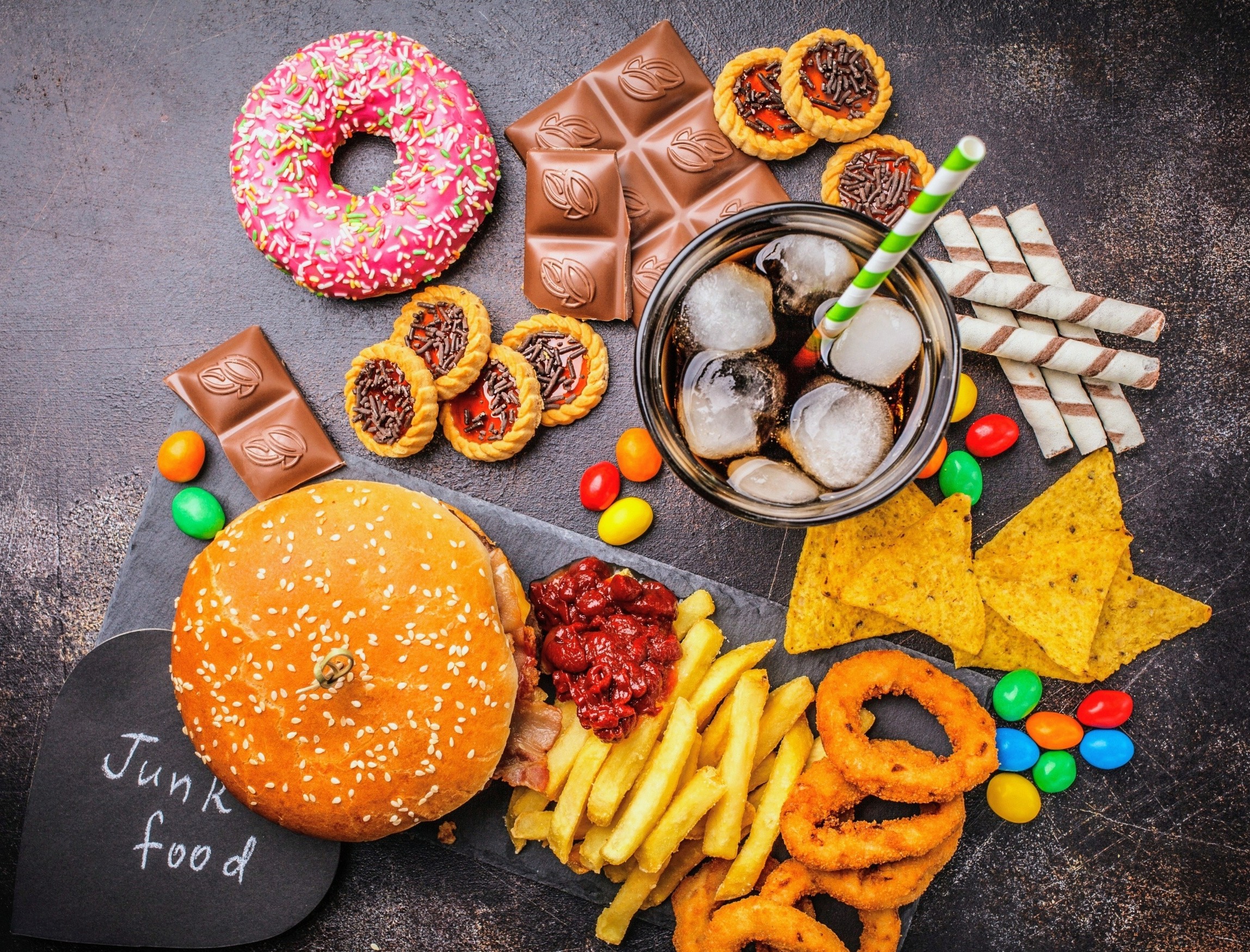
Ultra-processed foods aren’t just anything in a wrapper. They’ve been heavily modified before they reach you, with extra sugar, fats, and preservatives mixed in along the way.

You probably eat them without thinking twice. Chips, frozen meals, deli meats, soft drinks, even some cereals and bread.
They’re built to last and to taste the same every single time. But that also means they’ve changed a lot from what they started as.
Corn is a simple example: on the cob, it’s a whole food. But once it’s processed into chips, it becomes something entirely different by the time it reaches your plate.
What the study revealed
The study followed 6,814 adults across the U.S., all between 45 and 84 years old, and none had heart disease when it began. Researchers kept track of their eating habits and watched how their health changed over time.
One group stood out right away. People eating more than nine servings of ultra-processed foods a day had a much higher risk.
These individuals were 67% more likely to have serious heart problems like heart attacks, strokes, or even die from heart disease, compared to those eating about one serving a day.
It wasn’t just the extreme cases, either. Every extra serving added up. Each one was linked to more than a 5% jump in risk.
Who is most affected
The increase in risk did not affect everyone equally. The data showed a stronger link among Black Americans.
For each additional serving of ultra-processed food, risk rose by 6.1% in this group, compared to 3.2% among non-Black individuals.
Researchers pointed to several possible reasons. Marketing often targets certain communities more heavily.
Access also plays a role. Some neighborhoods have fewer options for fresh or minimally processed foods, making convenience foods the easier choice.
Processed foods and heart disease
Dr. Amier Haidar, the study’s lead researcher, is a cardiology fellow at the University of Texas Health Science Center at Houston.
“Ultra-processed foods are associated with an increased risk for heart disease, and while many of these products may seem like convenient on-the-go meal or snack options, our findings suggest they should be consumed in moderation,” said Dr. Haidar.
The team looked closely at other factors that could affect heart health. They considered calorie intake, overall diet quality, and conditions like diabetes, high blood pressure, and obesity.
“We controlled for a lot of factors in this study,” said Dr. Haidar.
“Regardless of the amount of calories you consumed per day, regardless of the overall quality of your diet, and after controlling for common risk factors like diabetes, high blood pressure, high cholesterol and obesity, the risk associated with higher ultra-processed food intake was still about the same.”
Why processing might matter
Ultra-processed foods are often high in calories, but they don’t offer much in return. They’re usually packed with added sugar, salt, and unhealthy fats.
That combination can throw your body off balance. It can affect how satisfied you feel after eating, how your blood sugar responds, and how fat gets stored.
Over time, those small effects start to add up. Weight can creep up, inflammation can set in, and fat can build around vital organs. These are all linked to heart problems.
There’s also growing concern about how these foods affect appetite. Some research suggests they can interfere with the body’s natural signals, making it easier to eat more than you need without really noticing.
Reading between the labels
A good place to start is by actually looking at food labels. They tell you how much sugar, salt, fat, and carbs you’re getting in each serving.
With ultra-processed foods, those numbers tend to run higher than what you’d see in simpler foods like oatmeal, beans, nuts, or fresh fruits and vegetables.
You don’t have to change everything at once. Even small shifts can help. Swapping out a couple of processed items each day for something less altered can make a real difference over time.
What this means going forward
This study doesn’t prove cause and effect, and it has its limits. The food data came from what people said they ate, and it didn’t look at the exact processes happening inside the body.
Even so, the overall pattern lines up with other research. As people eat more ultra-processed food, their risk of serious heart problems tends to go up.
Convenience is hard to walk away from. But it may come at a cost. What feels quick and easy now could catch up with you later.
The full study was published in the journal JACC Advances.
—–
Like what you read? Subscribe to our newsletter for engaging articles, exclusive content, and the latest updates.
Check us out on EarthSnap, a free app brought to you by Eric Ralls and Earth.com.
—–