While the rules are in sync with previous recommendations, they now also address the cardiovascular risks of ultra-processed foods and alcohol.
“What you eat and your dietary patterns shape your risk for heart disease starting from early in life,” says Sean Mendez, MD, a cardiologist at NewYork-Presbyterian Brooklyn Methodist Hospital and Weill Cornell Medicine in Brooklyn, New York. “Diet can impact blood pressure, cholesterol, blood sugar, body weight, and inflammation, which all can negatively impact cardiovascular health.”
But we all have “significant control” over our diet, Dr. Mendez emphasizes. “Even small, sustained improvements can lead to a positive long-term impact,” he says.
9 Dietary Pillars to Support Heart Health
The new dietary guidance spells out foods and ingredients that support heart health, plus the ones to avoid or minimize.
1. Balance Calories Eaten and Calories Burned
To maintain a healthy body weight, the AHA recommends balancing the amount of calories you eat every day with how active you are. Being overweight or having obesity is linked to a higher risk of heart disease risk factors like high cholesterol, type 2 diabetes, high blood pressure, and sleep disorders.
2. Eat Plenty of Fruits and Vegetables
The AHA suggests incorporating a wide variety of plants in your diet, seeking out different colors, textures, and types of produce. These help lower LDL “bad” cholesterol, blood pressure, and inflammation in the body, all of which can contribute to cardiovascular disease. The organization notes that canned and frozen produce count, too.
3. Choose Whole Grains Instead of Refined Grains
Whole-wheat bread, brown rice, and oatmeal are better choices than refined grains like white bread or white rice. Whole grains contain more fiber than refined grains, which helps reduce blood pressure, lower LDL cholesterol, and maintain a healthy weight.
4. Focus on Healthy Sources of Protein
Plant proteins like beans, nuts, and seeds are preferred over meat. Plant-based proteins are linked with lower heart disease risk.
Regularly eat fish and seafood, which contain omega-3 fatty acids that help to lower blood pressure and reduce inflammation.
Choose low-fat or fat-free dairy products, which have better unsaturated to saturated fat ratios. Unsaturated fat can improve cholesterol levels and reduce inflammation.
If you do eat red meat, choose lean cuts, limit portion size, and avoid processed meats.
5. Replace Saturated Fats With Unsaturated Fats
Nuts, seeds, avocados, and non-tropical plant oils are preferred over saturated fats like beef tallow or butter. Unsaturated fats are linked to lower levels of LDL cholesterol.
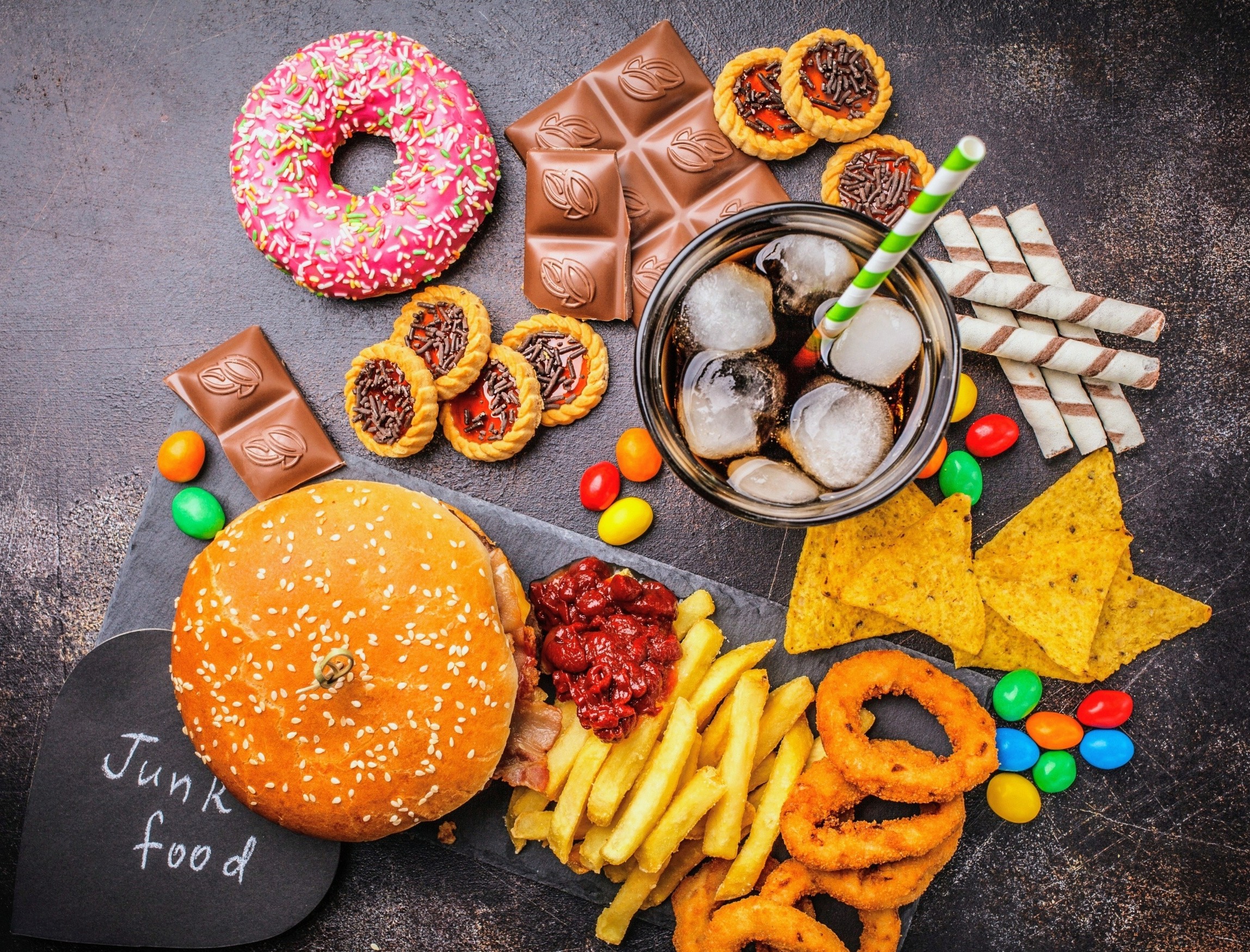
6. Choose Whole Foods Over Processed or Ultra-Processed Foods
Aim to get most of your daily calories from whole foods, rather than packaged foods that contain long lists of ingredients you can’t pronounce — things like preservatives, added colors or sugars, and excessive sodium.
These ultra-processed foods have little or no nutritional value, and have been linked to a higher risk of heart disease, in addition to some cancers, obesity, and early death.
7. Minimize Added Sugars
Limit the number of foods and drinks you consume with added sugars — meaning sugar itself is listed as an ingredient, rather than occurring naturally, as in fruit. Higher levels of added sugar are linked to obesity and type 2 diabetes, which are risk factors for heart disease.
8. Choose Foods Low in Sodium and Cook With Minimal or No Salt
Look out for hidden sources of sodium in prepared and packaged foods. When cooking, season food with herbs, spices, or lemon instead of salt, and try to increase your intake of potassium-rich foods, which can lower blood pressure.
“Significant evidence links excess sodium intake with high blood pressure, which increases the risk of heart attack, stroke, and heart failure,” says the lead author of the latest guidelines, Alice H. Lichtenstein, DSc, a senior scientist leading the Diet and Chronic Disease Prevention Directive at Tufts University in Boston. “Nearly half of all adults in the U.S. currently have high blood pressure, which is the No. 1 preventable health risk for cardiovascular disease.”
But most of the excess salt Americans eat comes from processed and packaged foods, not the salt people add in the kitchen, says Kevin Shah, MD, a cardiologist and the program director of Heart Failure Outreach at the MemorialCare Heart and Vascular Institute at Long Beach Medical Center in California.
“The bigger focus should be on improving overall diet quality rather than eliminating salt entirely at home,” he says. Mendez agrees. “A much bigger impact can be made by watching the processed, premade, or preserved foods for their sodium content,” he says.
9. Limit Alcohol
If you don’t drink alcohol, don’t start. If you already drink alcohol, limit how much you have. Alcohol can increase the risk of high blood pressure, among other cardiovascular risk factors.
What’s New in the Latest Update?
The AHA issues new dietary guidance every five years to reflect the latest scientific advancements. “While the key features of this statement remain largely aligned with previous guidance, this update incorporates new evidence published since 2021, offers additional and nuanced insights on several topics, and emphasizes the need to limit consumption of ultra-processed foods and alcohol,” Dr. Lichtenstein says.
“The update is more concise, more actionable, and better aligned with real-world eating behaviors,” says Joseph Daibes, DO, an interventional cardiologist at Northwell’s Lenox Hill Hospital in New York City.
The advice around sodium puts a stronger emphasis on increasing potassium-rich foods to regulate blood pressure, Dr. Daibes says. “This reflects a broader understanding of dietary patterns rather than a single-nutrient focus,” he says.
Finally, the guidance focuses more attention on alcohol. “This aligns with emerging data that there is no clearly ‘safe’ level from a cancer standpoint, while maintaining a cardiovascular framing of not starting and limiting intake if consumed,” Daibes says.
Is It Ever Too Late to Benefit From a Heart-Healthy Diet?
If you haven’t followed a heart-healthy diet in the past, you can still see perks from making a change now, Lichtenstein says.
“The data indicate shifting from a less healthy to a more healthy diet at any age can have benefits,” she says.