As women age, several health issues may begin to develop quietly. One such problem is silent bone loss, which can start as early as the age of 30.
Experts say that many women gradually begin to lose bone density after this age. If not addressed in time, it can lead to osteoporosis, a condition that weakens bones and increases the risk of fractures.
Because this condition usually develops without obvious symptoms in the early stages, many women are unaware of it until they suffer a fracture or severe bone weakness. This is why maintaining bone health through diet, exercise and timely screening is extremely important.
WHAT IS SILENT BONE LOSS IN WOMEN?
According to health experts, bone density in women may start decreasing slowly after the age of 30. This condition is commonly known as osteoporosis. It is often referred to as a “silent disease” because symptoms are usually not noticeable in the beginning.
In many cases, the condition is discovered only when a woman experiences a fracture or when medical tests reveal significant bone loss. By that time, bones may already be weak and more prone to injury.
WHY DO BONES BECOME WEAK AFTER 30?
There are several reasons why women may experience bone loss as they grow older. One of the most important factors is hormonal changes.
The hormone oestrogen plays a crucial role in maintaining bone strength. When oestrogen levels begin to decline, bone density may also reduce. Apart from hormonal changes, several lifestyle factors can increase the risk of bone loss.
Some common causes include:
- Deficiency of calcium and vitamin D
- Lack of physical activity or a sedentary lifestyle
- Smoking and excessive alcohol consumption
- Family history of osteoporosis
- Very low body weight or low BMI
Since these risk factors can gradually weaken bones without noticeable symptoms, many women remain unaware of the problem until it becomes serious.
- IMPORTANCE OF EARLY BONE HEALTH SCREENING
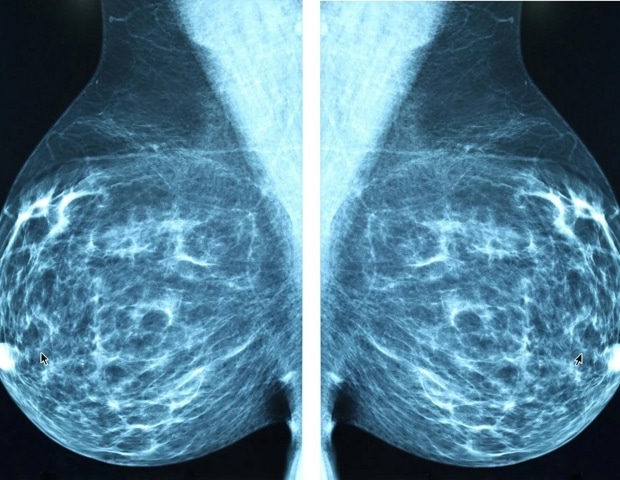
Doctors recommend that women pay attention to bone health early in life. One of the most effective ways to assess bone health is through a DEXA scan, a test that measures bone mineral density.
This scan can help detect early signs of osteoporosis and allow doctors to suggest preventive measures before the condition worsens. Early diagnosis can play a key role in protecting long-term bone health.
- TIPS TO KEEP BONES STRONG AFTER 30
Experts say that simple lifestyle changes can help maintain bone strength and reduce the risk of osteoporosis.
- EAT A CALCIUM AND VITAMIN D-RICH DIET
Calcium and vitamin D are essential for healthy bones. Women should include foods such as milk, curd, paneer, green leafy vegetables, nuts and fortified foods in their diet. Fatty fish can also provide vitamin D. In some cases, doctors may recommend supplements.
Physical activity is one of the most effective ways to strengthen bones. Weight-bearing exercises such as walking, jogging, yoga and strength training can help improve bone density.
- LIMIT ALCOHOL AND CAFFEINE
Excessive intake of alcohol and caffeine can interfere with calcium absorption in the body. Experts recommend consuming these in moderation.
Smoking can weaken bones and increase the risk of osteoporosis. Quitting smoking can significantly improve overall bone health.
Long-term stress can also affect bone health. Practising yoga, meditation and mindfulness techniques may help reduce stress and support overall well-being.
Disclaimer:
This article is for general information only. For any health concerns or treatment, consult a qualified medical professional.
– Ends