
Researchers have moved closer to developing a vaccine against the Epstein-Barr virus (EBV), a widespread virus linked to infectious mononucleosis, multiple sclerosis, several cancers and other serious illnesses.
Globally, nearly 95% of people carry EBV. Although most infections remain dormant, certain populations face a higher risk of severe complications when the virus reactivates. Therefore, scientists have prioritised preventive strategies.
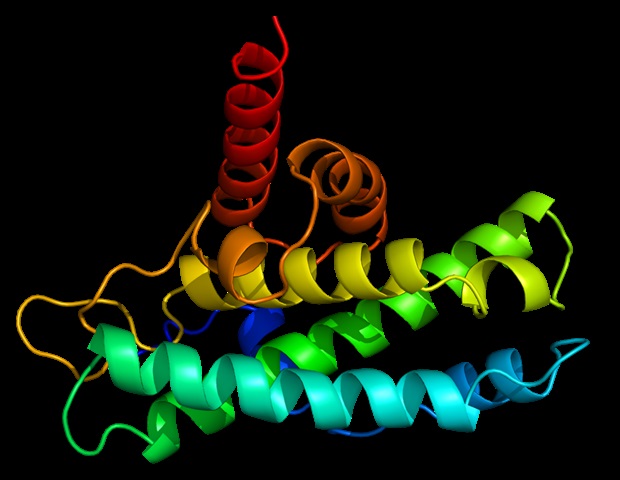
To address this need, researchers used mice engineered with human antibody genes and developed 10 monoclonal antibodies. These antibodies targeted two key viral surface proteins: gp350, which allows EBV to bind to cell receptors, and gp42, which enables the virus to enter cells.
Promising Protection in Preclinical Testing
Notably, one antibody targeting gp42 successfully prevented infection in mice with human immune systems exposed to EBV. In addition, an antibody against gp350 provided partial protection. The team reported these findings in Cell Reports Medicine.
Study coauthor Andrew McGuire of Fred Hutch Cancer Center described the findings as a significant scientific milestone after years of searching for an effective preventive approach.
Implications for Transplant and High-Risk Patients
As reported by Reuters, EBV-associated lymphomas frequently cause life-threatening complications in immunosuppressed transplant recipients. Consequently, preventing EBV activation remains a critical unmet need in transplant medicine.
According to coauthor Rachel Bender Ignacio, also of Fred Hutch, infusions of monoclonal antibodies could eventually block EBV infection or reactivation in high-risk individuals. Ultimately, a safe and effective vaccine could dramatically reduce complications linked to the virus.
Microplastics Detected in Prostate Tumors
In a separate development, researchers have identified plastic particles in prostate tissue. A small study detected microplastic fragments in nine out of ten patients with prostate cancer. Moreover, tumors contained significantly higher levels of plastic than nearby healthy tissue.
On average, tumor samples contained approximately 40 micrograms of plastic per gram of tissue, compared with 16 micrograms per gram in noncancerous prostate tissue. Researchers plan to present these findings at the American Society of Clinical Oncology Genitourinary Cancers Symposium.
Emerging Concerns Over Microplastic Exposure
Although earlier studies have suggested potential links between microplastics and conditions such as heart disease and dementia, direct evidence connecting them to prostate cancer has remained limited.
Study leader Stacy Loeb of NYU Grossman School of Medicine stated that the pilot findings provide important early evidence that microplastic exposure may represent a risk factor for prostate cancer.
Taken together, these developments highlight both encouraging progress in viral disease prevention and growing concerns about environmental exposures that may influence cancer risk.