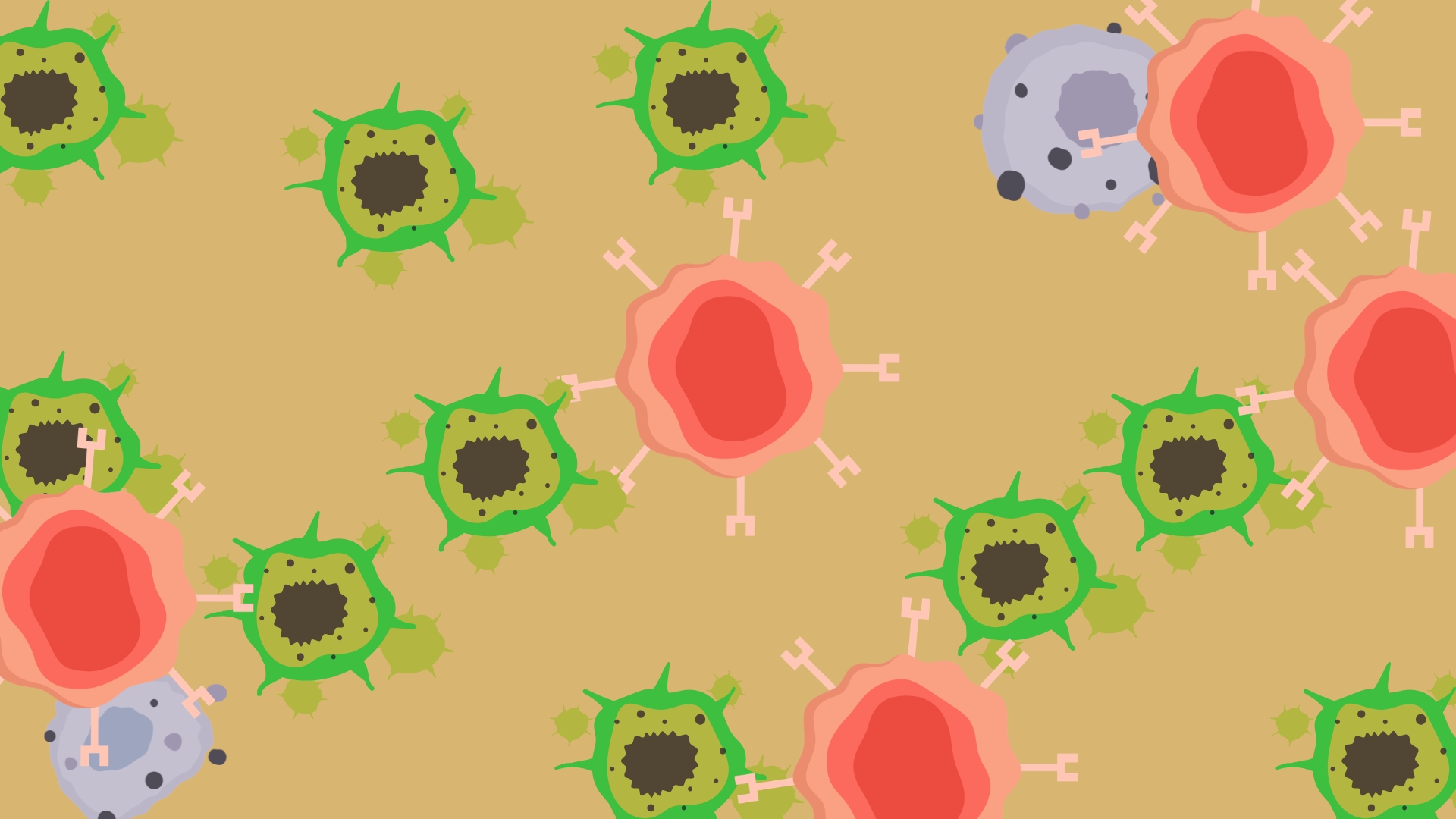
Scientists have long used living drugs known as Chimeric Antigen Receptor (CAR)-T cells to hunt down and destroy cancer, but until now, they haven’t been able to see exactly how these microscopic battles play out in real time. Researchers at the BRIC-Rajiv Gandhi Centre for Biotechnology and Manipal Academy of Higher Education (MAHE) have changed that by creating a genetically encoded dual-biosensor.
This new technology allows them to watch, at a single-cell level, whether a cancer cell dies a quiet, programmed death or a messy, inflammatory one. By engineering cancer cells to glow with specific fluorescent proteins, the team discovered that CAR-T cells often trigger a two-phase killing process, starting with a controlled shutdown followed by a delayed explosion. This breakthrough, published in Biosensors and Bioelectronics, provides a vital roadmap for making immunotherapies more effective against stubborn solid tumours.
Their work involves two distinct molecular alarms. The first, called RealCas3, uses FRET to monitor an executioner protein in the cell. When this protein is activated, it signals that the cell is undergoing apoptosis, a form of programmed cell death. The second sensor, MitoDsRed, tracks the health of the cell’s powerhouses, the mitochondria. If these structures fail without the FRET alarm going off, it indicates necrosis, a more violent death that can cause dangerous inflammation in the patient. By watching these two colours simultaneously under a microscope, the researchers could distinguish between a cell that was quietly checking out and one that was being blown apart.
Historically, scientists had to use endpoint assays, which are like looking at a crime scene after the fact to guess what happened. These older tests often used toxic dyes or required killing the very cells scientists wanted to study. Furthermore, they frequently misclassified secondary necrosis, a delayed form of cell death, as a primary event. The new dual-biosensor platform is non-invasive, allowing the cell death to be recorded over 24 hours without interruption. It provides high-resolution data that can distinguish between primary and secondary death modes, which is crucial because the way a cell dies determines how the rest of the immune system reacts.
However, the technology does have its hurdles. One limitation mentioned by the researchers is that the biosensors must be stably integrated into the cells’ DNA. This means the tool works perfectly in a laboratory setting with engineered cancer cell lines, but it is currently difficult to apply directly to primary cells obtained from a patient. Additionally, while the glowing signals are clear in a controlled lab, the complex environment of a real human body may make them harder to read. Further research will be needed to make the dual sensor field ready.
Despite these limitations, the research could help us better understand how cancers grow and die. It can help doctors and scientists understand why some patients experience cytokine storms, dangerous immune system overreactions. By identifying which CAR-T designs kill cancer quietly versus messily, researchers can design next-generation therapies that are more potent against tumours while being much gentler on the patient’s body.