The flu is hitting the U.S. particularly hard this winter, with the Centers for Disease Control and Prevention estimating there have been 15 million illnesses and 180,000 hospitalizations so far this season.
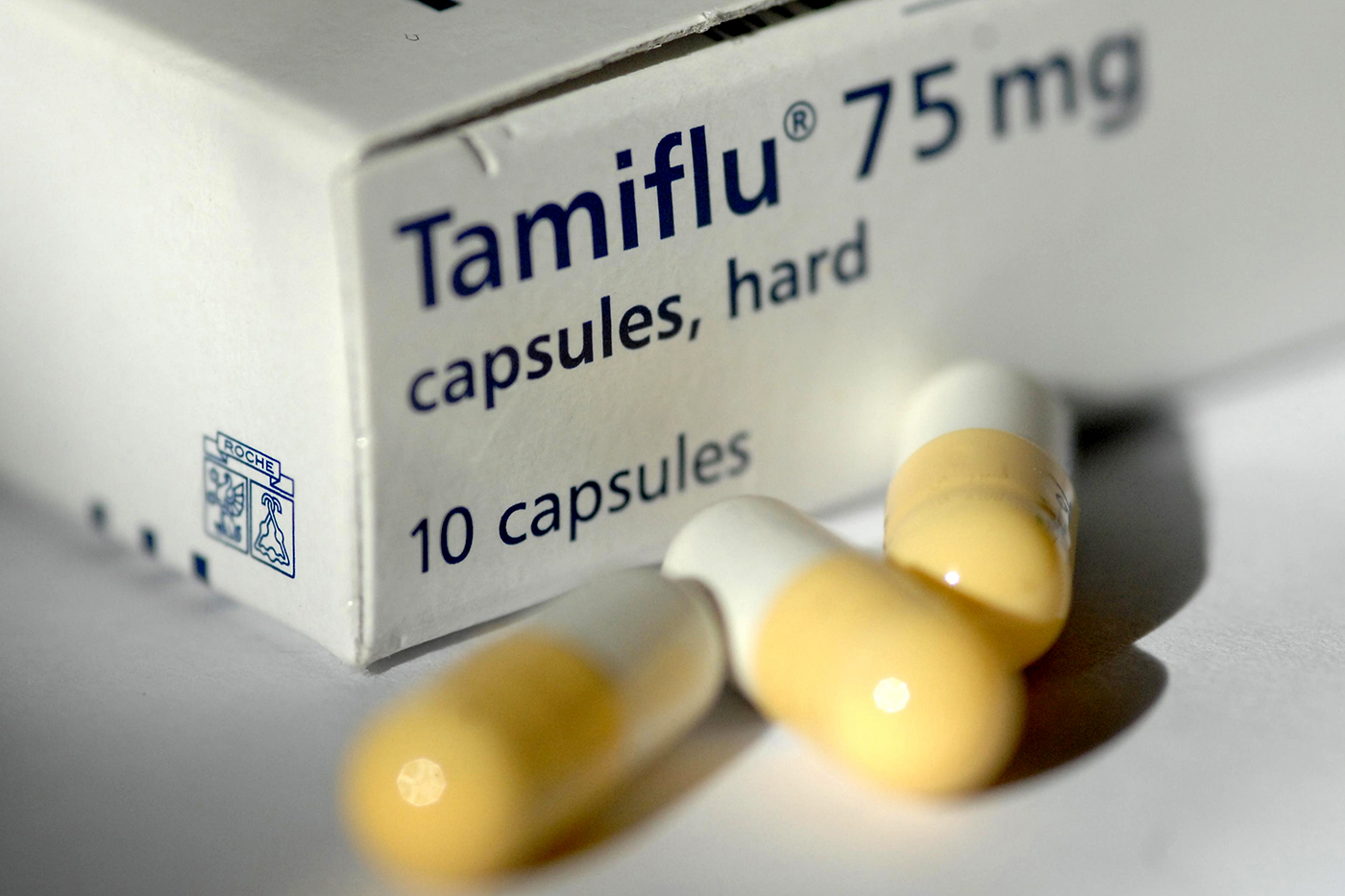
But even as a variant known as subclade K drives up cases across the nation, antivirals such as Tamiflu remain an effective weapon for shortening the duration of symptoms in people who come down with seasonal influenza.
“There’s nothing about this (variant) that would affect the activity of the antivirals,” said Brandon Dionne, associate clinical professor in pharmacy and health systems sciences at Northeastern University.
The key is take the medications as soon as possible, the experts said. And that requires getting a prescription.
Tamiflu, the go-to
Tamiflu, which goes by the generic name oseltamivir, is a readily available oral treatment typically prescribed twice a day for five days, Dionne said. “That’s the go-to for most people.”
Tamiflu acts on both influenza A and B by inhibiting the neuraminidase enzyme, the “N” in flu viruses like H1N1 or H3N2, that release new viral particles from the host cell membrane, Dionne said.
“Oseltamivir directly binds to the neuraminidase to inhibit it rather than preventing production of the enzyme,” he said.
The medication shortens the duration of flu symptoms by about 12 to 24 hours on average, which for people suffering the body aches, chills, fevers, cough and nausea can be a great relief, Dionne said.
Other options include Xofluza, or baloxavir marboxil, a one-time oral dose that’s more expensive because it’s still under patent and to which resistance can develop more easily than with Tamiflu, Dionne said.
The American College of Obstetricians and Gynecologists said Xofluza is not recommended for those who are pregnant “due to the absence of efficacy and safety data in this population.”
The crucial part is that antiviral flu medications need to be taken right away to have any effect, within 48 hours of flu symptoms, Dionne said. “It’s going to be more effective the sooner you take it.”
Getting a prescription
Since antivirals for flu are prescription medications, getting tested in a timely manner is the first challenge for people seeking relief from influenza symptoms.
An increasing number of states now allow pharmacists to “test and treat,” Dionne said. “They can test you for influenza, and if you test positive, they can prescribe oseltamivir.”
States participating in test and treat include California, Colorado, Idaho, Illinois, Michigan, Minnesota, Montana, Nebraska, South Dakota, Tennessee, Washington, Wisconsin and Wyoming, CVS spokeswoman Roslyn Guarino said.
“Additionally, MinuteClinic offers sick symptom visits during which patients can be tested for flu, COVID-19 and strep throat if eligible,” Guarino said. She said CVS is seeing increased demand for Tamiflu and flu-related medications, but “there are no widespread shortages.”
Northeastern Global News, in your inbox.
Sign up for NGN’s daily newsletter for news, discovery and analysis from around the world.

At-home flu tests
Some people rely on at-home flu tests to determine whether they need an antiviral medication, the cost of which typically ranges from $12 to $30.
A short-lived federal program called Test2Treat that offered free COVID-19 and influenza tests is no longer available, but people can purchase 3-in-1 tests for COVID and flu A and B at pharmacies and online.
The tests, which can be covered by flexible spending or health savings accounts, typically come in a two-pack, Dionne said. He said people may need to test a second time if the influenza viral load is too low to pick up on the first round.
Some at-home tests also check for RSV, Dionne said. “It makes sense because the symptoms of these things overlap. Even if your influenza test is negative, you could have COVID or RSV.”
People with a positive result for flu can relay the information to their health care practitioner or a telehealth provider to obtain a prescription for an antiviral treatment.
Antivirals for the most vulnerable
“Tamiflu is most important in patients with the highest risk,” said Jason Parente, a clinical professor and program director of the physician assistant program in the department of health medical sciences at Northeastern University’s Bouvé College of Health Sciences.
The CDC recommends prompt treatment with antivirals for individuals who have flu or suspected flu and are at increased risk of serious complications, including pregnant women, people with asthma and chronic lung disease, diabetes or heart disease.
Tamiflu is also available as a preventative tool in certain populations that have been exposed to influenza, such as nursing home residents, Parente said.
Jason Lancaster, chair of Northeastern’s department of pharmacy and health systems sciences, said there is strong evidence that prophylactic use of oseltamivir wards off flu.
“One meta-analysis demonstrated up to a 55% reduction in progression to symptomatic influenza,” he said.
The CDC also recommends antiviral treatment for people hospitalized with flu or who are very ill with flu. The antiviral peramivir, also known as Rapivab, is administered via IV and is useful for people who can’t swallow, while zanamivir, aka Relenza, is administered via an inhaler and is not recommended for people with asthma.
There is still time to get vaccinated
Elevated flu activity will continue for the next several weeks, according to the CDC. Northeastern health experts said it’s not too late to get vaccinated.
While this year’s shot is not a great match for the dominant variant currently circulating, they said vaccination can reduce the severity of symptoms.
Besides getting vaccinated, prevention includes proper handwashing, covering your mouth and nose if coughing or sneezing, wearing a mask if you experience symptoms and staying home and minimizing contact with others if ill, Lancaster said.