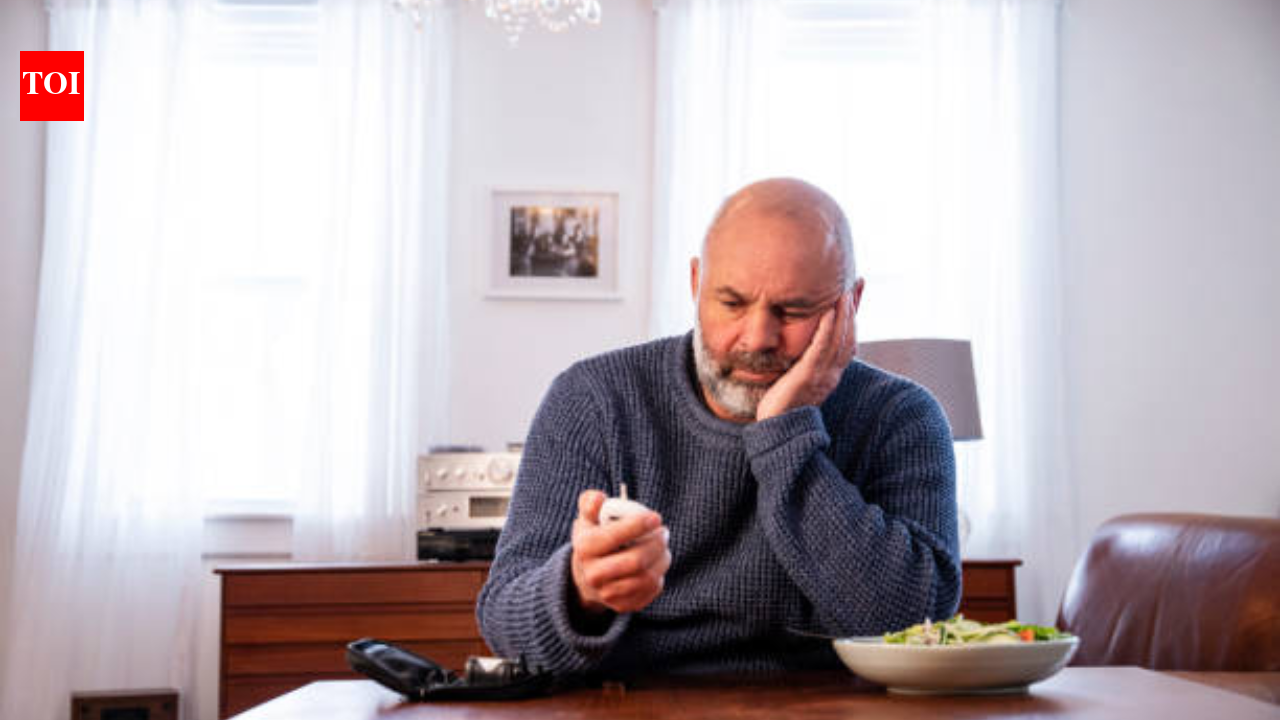

Diabetes isn’t supposed to be a constant battle. But for a lot of people, it feels like one. And honestly, that’s not always because the disease is “hard.” It’s often because we get caught in habits that look healthy on the surface, but quietly mess up blood sugar. The thing is, you don’t need to overcomplicate this. You just need to stop falling into the same traps over and over.Apart from erratic lifestyle habits, misinformation plays a role in the progression of a disease. “Misinformation significantly impacts self-care behaviors and treatment outcomes in patients with type 2 diabetes mellitus (T2DM),” researchers who worked to studythe prevalence and content of diabetes-related misinformation among Thai patients have said. “Exposure to misinformation ranged from 19.6% to 94.4%, with word of mouth identified as the primary source,” they found. “Misconceptions regarding symptom perception and alternative treatments were most prevalent,” they found.
The point is, diabetes control isn’t about being perfect. It’s about avoiding the traps that keep you stuck. The same mistakes show up again and again, and they’re often the ones that feel harmless. But they’re not. If you can recognize them, you can manage your diabetes without constant struggle.

In order to help readers stop doing the things that make it harder for them to control diabetes, we spoke to Dr Ankur Gahlot, Additional Director – Diabetes & Endocrinology, CK Birla Hospitals, Jaipur. The doctor revealed how common mistakes develop a pattern and ruin the efforts of the patient in controlling diabetes.
What are the most common lifestyle mistakes that make blood sugar hard to control?
Dr Ankur Gahlot: What usually gets in the way is not one single habit, but a day that lacks rhythm. Meals get pushed around, sleep gets cut short, stress builds quietly, and eating becomes reactive rather than planned. People often fixate on avoiding sugar, but blood glucose responds just as strongly to refined carbohydrates, dehydration, poor sleep, and long hours of mental stress. Skipping meals and then eating heavily later is another pattern that keeps showing up, and it almost always leads to erratic sugar readings that are difficult to settle.
Are there specific eating habits that patients think are healthy but actually worsen diabetes?
Dr Ankur Gahlot: This is seen very often. Fruit juices, smoothies, brown bread, honey, jaggery, and products labelled as “diabetic” are commonly assumed to be safe choices. The problem is that juices and smoothies lose the fibre that slows sugar absorption. Even foods considered healthy can raise blood sugar if portions are large or timing is off. Eating a lot of fruit or dry fruits in one sitting is another example—nutritious, yes, but not neutral for glucose levels.
How does physical activity—or lack of it—affect stubborn diabetes?
Dr Ankur Gahlot: When daily movement drops, insulin simply doesn’t work as efficiently. This is why sugars can remain high even when medication is being taken regularly. Prolonged sitting, especially after meals, tends to worsen post-meal readings. Regular walking, light strength work, or even short bouts of movement spread through the day can have a measurable impact, without needing formal exercise routines.
How important is the timing of meals and snacks in managing diabetes?
Dr Ankur Gahlot: Timing plays a bigger role than most people expect. Irregular eating hours, very late dinners, or frequent night-time snacking disturb the body’s insulin response. High morning fasting sugars are often linked back to what and when dinner was the night before.
How often should patients monitor blood sugar to truly understand their patterns?
Dr Ankur Gahlot: Looking only at fasting values gives a limited view. Blood sugar behaviour is shaped by meals, activity, stress, and sleep, and this becomes clear only when readings are checked at different points in the day. Monitoring before and after meals, even for short periods, helps identify what is actually driving the numbers. This is especially useful when routines, diets, or medications are being adjusted.
Are there common misconceptions about weight loss and diabetes that can backfire?
Dr Ankur Gahlot: One of the more damaging ideas is that rapid weight loss fixes diabetes. Calorie cuts, skipping meals, or eliminating carbohydrates make sugar levels more unstable. Improvement usually comes from gradual weight loss, healthy eating patterns, and regular activity. Medical experts consulted This article includes expert inputs shared with TOI Health by:Dr Ankur Gahlot, Additional Director – Diabetes & Endocrinology, CK Birla Hospitals, JaipurInputs were used to explain how “healthy” lifestyle can backfire. The copy aims at debunking misinformation around diabetes management and control. Do you have any questions you’d like us to ask a doctor? Let us know in the comment box below.