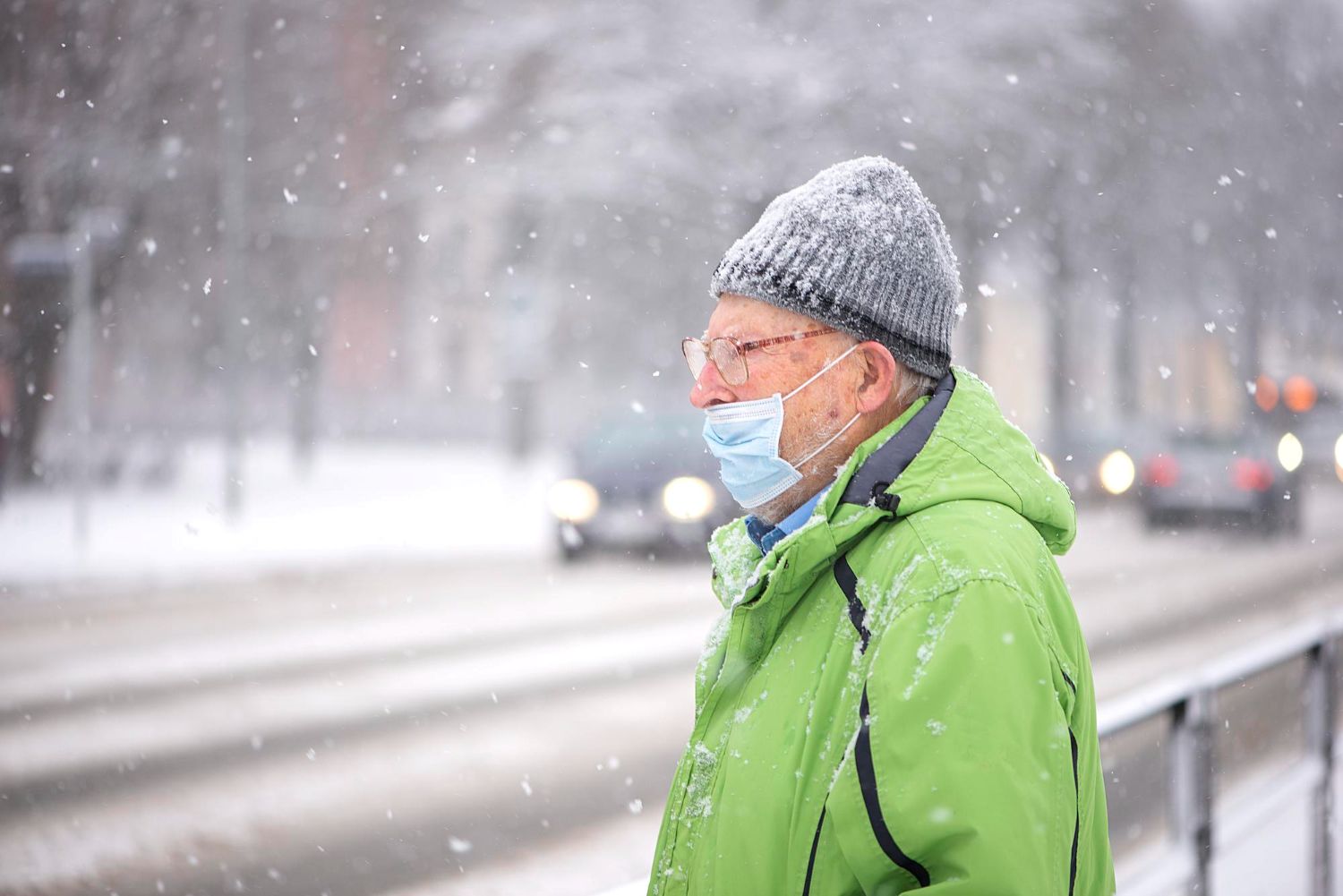
The recent winter was one of the coldest across much of the United States. Beyond the icy roads and frozen pipes, scientists warn of a hidden danger: cold weather brings a sharp rise in deaths from heart attacks, strokes, and coronary artery disease.
New research, presented at the American College of Cardiology’s Annual Scientific Session (ACC.26), shows that months with lower temperatures have significantly higher cardiovascular death rates than milder months. Hotter temperatures also raise risks, but the increase is far more modest.
Previous studies had hinted at this connection, often focusing on other countries or smaller regions of the U.S. A past study published in JACC linked cold exposure to heart attacks. But this new work is the most comprehensive analysis yet, spanning a broad swath of the American population.
“This is the first time we have actual numbers for most of the United States, and we found the burden of excess deaths associated with cold is quite substantial,” said Pedro Rafael Vieira De Oliveira Salerno, MD, resident physician at NYC Health + Hospitals/Elmhurst, Icahn School of Medicine at Mt. Sinai in New York, and the study’s lead author.
Heart attacks are more deadly during colder months
This nationwide study looked at 120,380 heart attack cases admitted during the cold season (October–March) between 2005 and 2019. Researchers used machine learning to estimate daily air temperatures with high precision and matched them to individuals in each municipality.
Cold spells were defined as at least two consecutive days with temperatures below the 10th percentile for that area. To measure the short‑term effects of cold, the team used a case‑crossover design and statistical models that tracked both immediate (0–1 days) and delayed (2–6 days) impacts. They examined how cold weather influenced overall heart attacks as well as two types: non–ST-segment elevation myocardial infarction (NSTEMI) and ST-segment elevation myocardial infarction (STEMI).
The researchers studied monthly temperatures and cardiovascular deaths at 819 locations in the United States, representing about 80 percent of the population aged 25 or older. During this period, they found that the “sweet spot” for heart health was at 23 °C (74°F). Death rates rose when temperatures departed from this ideal level.
The data showed a U-shape: More cold and heat were both associated with higher mortality rates, but cold was a much bigger risk factor than heat. Cold temperatures were associated with around 40,000 additional cardiovascular deaths per year, resulting in an overall figure of 800,000 over the last 20 years. By contrast, hot weather was responsible for approximately 2,000 extra deaths each year, adding up to 40,000 over the same two-decade period.
Cold exposure triggers a cascade of physiological responses: blood vessels constrict, inflammation spikes, and the body works hard to preserve warmth. For older adults or people with chronic illnesses, these stresses can trigger heart attacks or strokes.
“As rates of chronic conditions like diabetes, heart failure, and chronic kidney disease rise in the United States, we can expect to see a rise in the number of people who are more vulnerable to the effects of extreme temperatures,” Salerno said.
When climate change is discussed, heat waves often dominate the conversation. But Salerno warns that cold must not be ignored.
“We tend to focus on heat-related impacts of climate change, but climate change also includes extreme cold. We need to not only have heat-related mitigation measures, but also cold-related mitigation measures,” he said.
The findings also carry practical implications for hospitals and emergency services.
“It’s important for public health planning and also for institutions to anticipate more emergency medical service calls and in-hospital mortality during cold periods. Our systems need to be prepared for that influx of patients,” Salerno said.
The study, published in the American Journal of Preventive Cardiology, relied on monthly temperature data and population-level outcomes.
Salerno acknowledges these limits and says the team plans a follow‑on study to track daily temperature shifts and their link to emergency medical service activations.
On March 30, Salerno will present the study, “County-Level Temperature-Attributable Cardiovascular Disease Mortality in the U.S.”, at the Engage Stage during the Young Investigators Award Competition.
Journal Reference:
- Wenli Ni, Massimo Stafoggia, Siqi ZHang, Petter Ljunman et al. Short-Term Effects of Lower Air Temperature and Cold Spells on Myocardial Infarction Hospitalizations in Sweden. American Journal of Preventive Cardiology. DOI: 10.1016/j.ajpc.2026.101514