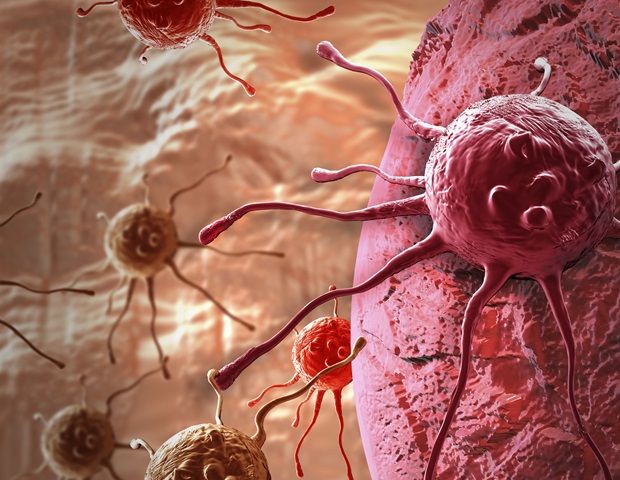
Researchers at Tezpur University in Assam, India, working with scientists at the University of Illinois Urbana-Champaign, have identified distinct chemical signatures in blood that could help detect gallbladder cancer earlier. This is important in cancer patients with and without gallstones, two groups that often require different diagnostic approaches.
The findings, published in the Journal of Proteome Research, point to specific metabolic patterns that distinguish gallbladder cancer cases from noncancerous conditions. Therefore, this research offers a potential pathway toward noninvasive screening for one of the deadliest gastrointestinal cancers.
Gallbladder cancer remains relatively rare in the United States. It affects approximately 12,000 people annually, with roughly 2,000 deaths. The disease carries a poor prognosis because it often isn’t detected until advanced stages. Globally, incidence varies widely, with much higher rates in regions such as northern India’s Assam state. There, the disease is among the most common cancers and is often diagnosed late due to minimal early symptoms and limited screening.
The study was led by assistant professor Pankaj Barah and research scholar Cinmoyee Baruah at Tezpur University, and involved an interdisciplinary, international research team. Illinois collaborator Amit Rai led the computational metabolomics analysis, a critical step in interpreting complex blood data.
Once the raw data are generated, the real challenge is making biological sense of it. Properly annotating metabolites and analyzing their patterns is what allows us to move from signals in the data to meaningful insight about disease mechanisms.”
Amit Rai, assistant professor in the Department of Crop Sciences, part of the College of Agricultural, Consumer and Environmental Sciences
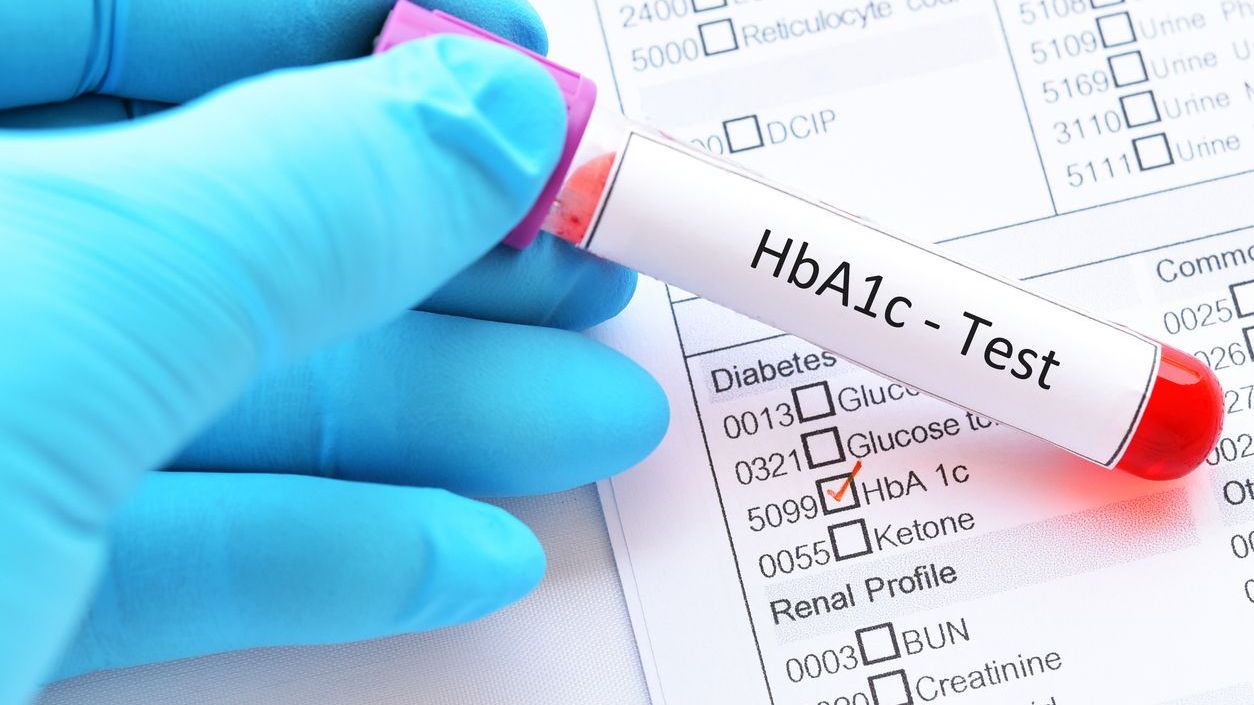
Using advanced techniques, the team analyzed blood samples from three different groups: gallbladder cancer patients without gallstones, cancer patients with gallstones, and individuals with gallstones, but no cancer. The researchers detected hundreds of altered metabolites (180 in gallstone-free cancer cases and 225 in gallstone-associated cases) and identified distinct markers within the blood samples that had high diagnostic accuracy for each condition.
Many of the identified metabolites were linked to bile acids and amino acid derivatives known to play roles in tumor development and progression. Rai’s analysis helped differentiate overlapping metabolic signals and clarify how cancer-related changes differ depending on patients’ gallstone status.
“Our findings show that changes in certain blood metabolites can clearly distinguish gallbladder cancer cases with and without gallstones. This raises the possibility of developing simple blood-based tests that could support earlier diagnosis.By linking clinical pathology with advanced metabolomics, the researchers say the work helps bridge laboratory discovery and real-world diagnosis, which is an essential step toward detection and treatment,” Barah said.
“Identifying blood-based metabolic markers provides a practical pathway toward earlier diagnosis and more informed clinical decision-making,” said study co-author Subhash Khanna, gastrointestinal surgeon at Swagat Super Speciality and Surgical Hospital in India.
While the researchers emphasize that larger, multicenter studies are needed before the findings can be used clinically, the work lays out important groundwork for noninvasive screening tools, particularly in high-risk regions. The study also highlights the growing role of international collaborations in advancing cancer research.
The study, “Untargeted serum metabolomics reveals differential signatures in gallstone-associated and gallstone-free gallbladder cancer variants,” is published in the Journal of Proteome Research [DOI: 10.1021/acs.jproteome.5c00403].
Rai is also affiliated with the Carl R. Woese Institute for Genomic Biology at Illinois.
Source:
University of Illinois College of Agricultural, Consumer and Environmental Sciences (ACES)
Journal reference:
Baruah, C., et al. (2026). Untargeted Serum Metabolomics Reveals Differential Signatures in Gallstone-Associated and Gallstone-Free Gallbladder Cancer Variants. Journal of Proteome Research. DOI: 10.1021/acs.jproteome.5c00403. https://pubs.acs.org/doi/10.1021/acs.jproteome.5c00403