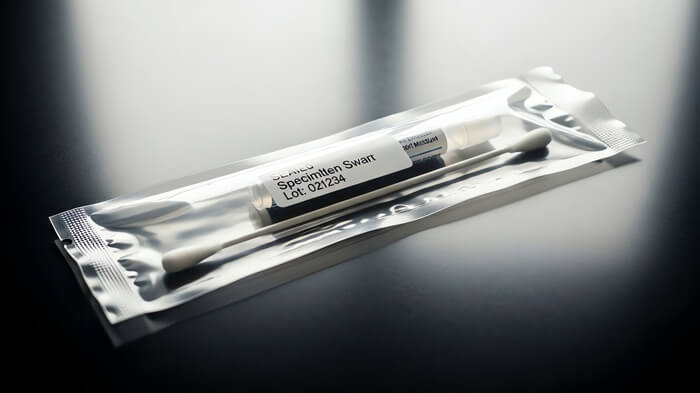

A simple cheek swab may soon help doctors diagnose schizophrenia through a quick and noninvasive test. A recent study published in Science Advances identified higher levels of two biological markers in cheek swab samples from patients with schizophrenia compared with individuals without the disorder.
Schizophrenia is a chronic mental health condition that causes symptoms such as hallucinations, delusions, disorganised thinking, and reduced interest in daily activities. Early diagnosis is crucial for timely treatment, but current diagnostic methods remain complex.
Why Diagnosing Schizophrenia Is Difficult
At present, doctors do not have a single definitive test to diagnose schizophrenia. Instead, they rely largely on clinical observation and assessment of behavioural symptoms.
However, symptoms vary widely among patients. As a result, clinicians often need several months to confirm a diagnosis while ruling out other possible conditions. During this period, patients may remain untreated, which can worsen the progression of the illness.
Researchers Explore Cheek Cell Biomarkers
To address this challenge, researchers led by a team at Rutgers University in New Jersey explored whether molecular signatures in buccal (cheek) cells could act as reliable biomarkers for schizophrenia.
The researchers recruited 27 patients diagnosed with schizophrenia and 27 healthy volunteers. They carefully matched the participants based on age, race, and gender. Next, the team collected samples from inside each participant’s cheek using a simple swab.
They then analysed the samples using reverse transcription quantitative polymerase chain reaction (RT-qPCR). This technique measures RNA levels in a sample to determine the activity of specific genes.
In addition, the researchers examined three genes previously linked to schizophrenia risk. They also used mass spectrometry to identify differences in related proteins between patients and healthy participants.
Key Genetic and Protein Markers Identified
The analysis revealed that patients with schizophrenia showed significantly higher activity of the Sp4 gene compared with the control group. This gene plays an important role in brain development.
Furthermore, increased Sp4 activity was linked to more severe symptoms, including hallucinations and delusions.
As reported by medicalxpress, the researchers also detected higher levels of the protein HSP60, which scientists believe is regulated by the Sp4 gene.
According to the researchers, these findings suggest that Sp4 mRNA expression and its downstream target HSP60 could serve as potential biomarkers for schizophrenia.
Why Cheek Cells Can Reflect Brain Changes
The researchers explained that cheek cells may provide useful insights into brain function because both the central nervous system and the lining of the mouth develop from the same embryonic tissue, known as ectoderm.
Therefore, analysing cheek cells may offer clues about biological processes occurring in the brain.
Further Research Still Needed
Although the findings are promising, the researchers emphasised that larger studies are necessary to confirm whether these biomarkers are specific to schizophrenia.
If future studies validate the results, a simple cheek swab test could help doctors detect schizophrenia earlier and possibly monitor disease progression over time. Such a tool would significantly improve diagnosis and treatment for people living with the disorder.