19 Minute Viral Video: In 2025, several viral video and MMS leaks drew widespread attention across social media platforms. These incidents, involving influencers and private individuals, highlighted growing concerns about digital privacy, the misuse of artificial intelligence (AI), and the legal and ethical challenges of online content sharing.
November 2025: 19-Minute Viral Video
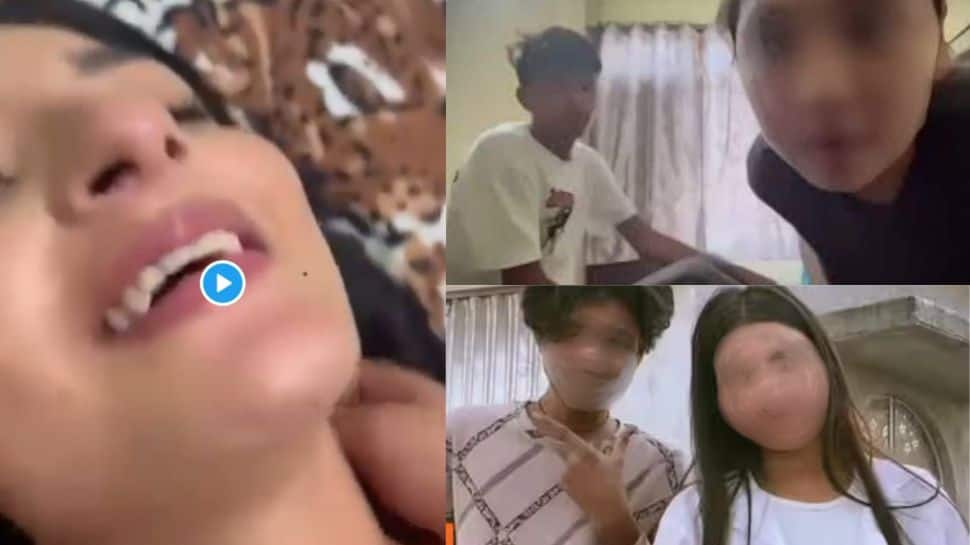
One of the most talked-about incidents among netizens in November 2025 was the “19-minute viral video” that spread rapidly across social media in India. The clip allegedly involved Bengali influencers Dustu Sonali and Sofik SK. While the video circulated widely, both individuals claimed it was shared without their consent, and speculation grew over whether it was an AI-generated deepfake or an authentic clip.
Add Zee News as a Preferred Source

The controversy sparked discussions about the legality and impact of sharing private content online, with users questioning how such videos can be prevented from circulating.
Dhunu Joni 19-Minute 34-Second Viral Video
November 2025: Social media buzzed over a supposed 19-minute 34-second clip linked to Assam-based influencer Dhunu Joni. Reports suggested the footage was likely created using AI body-swap technology, raising concerns about digital manipulation. The Assamese influencer later deactivated all her social media accounts amid the controversy.
Payal Gaming Deepfake MMS
December 2025: Another notable incident involved Indian gaming influencer Payal Dhare, widely known as Payal Gaming. A video allegedly featuring her went viral, leading to intense online speculation. Payal publicly denied any involvement on Instagram, stating that the clip was causing distress and that she did not appear in it. Maharashtra Cyber Police registered a case after the video was identified as likely AI-generated deepfake content.
(Also Read: 19-Minute Viral Video: Did Payal Gaming’s Rumored Boyfriend, Parv Singh, Finally Address The ‘MMS’ Row? Here’s The Truth)
Sweet Zannat Viral Video Incident
November 2025: Another incident occurred when Meghalaya-based Instagram creator Sweet Zannat was drawn into controversy after a 19-minute alleged private video circulated online. The episode added to a series of viral MMS scandals reported in November 2025.
(Also Read: MMS Viral Video Controversy: Who Is Influencer Sweet Zannat And What Is The 19-Minute Clip Row?)
Kajal Kumari Case
November 2025: A similar incident came to light when a video of a 15-year-old girl named Kajal Kumari went viral. Within hours, the clip spread across social media platforms. It was later found that the video had been created using deepfake technology to defame the individual.
Impact and Reactions
The fallout from these leaks extended beyond those directly involved. Popular social media personality Anjali Arora spoke about how such scandals—even when fake—can have long-lasting effects on mental health and careers. She urged greater empathy and accountability online, noting that viral clips often cause real harm to those associated with them.
2-Minute 17-Second Reaction Video
Following the Sofik SK and 19-minute video controversies, a 2-minute 17-second video showing a woman’s emotional appeal circulated widely online. In the video, she urged people to stop sharing unverified clips, warning that such content could fall into the wrong hands and be misused.
(Also Read: Decoding The ’19-Minute’ Clip Hype: Know The Full Form Of MMS And Dangerous Precedent Of Past Incident Patterns)
Broader Debate on Online Privacy
These incidents became part of a larger debate in 2025 around online privacy, digital consent, and AI misuse. Experts warned that sensationalism fuels the sharing of such clips despite legal risks. Authorities reiterated that sharing explicit or private videos without consent may violate cyber laws and lead to criminal charges.
Calls for Digital Literacy and Legal Reform
As 2025 is about to end, content creators and cyber safety advocates have called for stronger regulations, better enforcement of existing laws, and improved digital literacy. The aim is to protect individuals from deepfake technology and the unauthorised sharing of private content, while encouraging users to think critically before engaging with such material online.