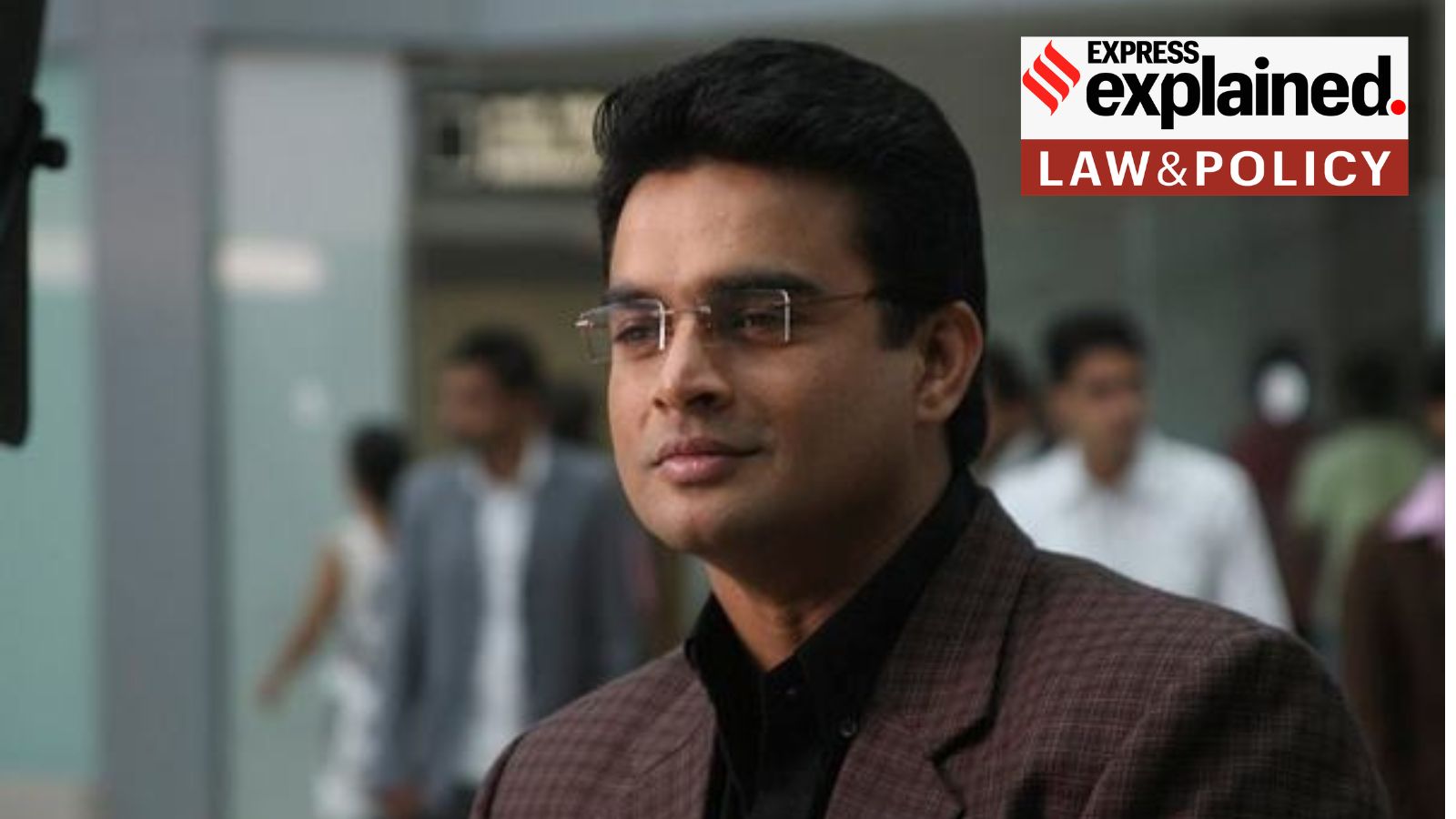
The Delhi High Court restrained the unauthorised commercial use of actor R Madhavan’s image and likeness on Monday (December 22), ordered the takedown of obscene and AI-generated material circulating online, and barred the sale of merchandise using his persona.
This comes amidst an uptick in celebrities, from Aishwarya Rai Bachchan and Abhishek Bachchan to NTR Jr, seeking judicial intervention towards intermediaries wherein their names and images were allegedly misused across social media platforms.

Courts, too, are no longer waiting to merely recognise personality rights after misuse has occurred. They are issuing urgent and preventive orders such as blocking links, authorising future URLs to be disabled, and directing platforms to comply almost immediately. Also notable is the enforcement of these rights as mechanisms of real-time content control, calibrated to the speed at which impersonation, scam advertising, and AI-generated misuse now spreads online. This shift is best understood as a judicial response to a regulatory vacuum, one created by technology moving faster than legislation.
What are personality rights, and how does the law interpret them?
Personality Rights safeguard an individual’s name, image, likeness, voice, signature and other identifiable traits from unauthorised commercial exploitation.
India does not have a standalone statute defining these rights. Instead, courts have assembled them through a combination of intellectual property law and constitutional principles, with personality rights derived from the following:
- 01
Copyright Act 1957
Section 38A of the Copyright Act grants performers exclusive rights, once consent is provided for commercial use of their performances. Section 38B recognises the moral rights of performers, which lets them retain the ability to “claim to be identified as the performer” and to object to, or seek damages for, any “distortion, mutilation or other modification” of their performance that harms their reputation.
- 02
Trademarks Act 1999
This act allows individuals to register distinctive attributes to their persona, such as names, signatures, catchphrases, as trademarks. Section 27(2) of the act is the most widely used safeguard. It states that “passing off” protects the goodwill of an unregistered mark and prevents misrepresentation that deceives the public into believing there is an endorsement or association where none exists. While passing off was developed for a world of physical goods and identifiable sellers, it remains the most workable doctrine that can address the menace of deepfakes, etc.
- 03
Article 21
Courts also draw from constitutional law, where personality rights are located within the right to life. Personal liberty is enshrined under Article 21, which has been expansively interpreted to include dignity, autonomy and privacy. A person may consent to appear in an advertisement or a campaign, thereby exercising control over how their identity is used. When that identity is reproduced without consent on merchandise, scam ads, or AI-generated content, that control is effectively taken away.
These protections, while fragmented, are neither automatic nor absolute. Courts generally require proof of reputation, goodwill, and unauthorised commercial use.
Balancing the right to free speech under Article 19(1)(a) is also a key judicial consideration: Courts have repeatedly stressed that personality rights cannot be interpreted so broadly that they extinguish parody, satire, criticism, or reportage.
Scope of redressal by Delhi HC, other courts
Story continues below this ad
The Delhi High Court has emerged as the primary forum for these disputes. Its jurisdiction allows it to oversee many cases involving national or global platforms, search engines, social media companies, and e-commerce marketplaces whose operations transcend state boundaries. Content takedowns, domain blocking, and intermediary compliance often involve central agencies such as MeitY and DoT, both headquartered in Delhi. Further, the court has developed familiarity with digital injunctions, John Doe (anonymous) defendants, and intermediary liability over time. Litigants seeking urgent relief gravitate towards a forum with a proven track record and procedural confidence in this niche.
However, the lack of statutes to protect personality rights ensures that any issue related to them will secure a common law remedy, according to Rahul Bajaj, partner at Zen Axis Law Associates. Early cases involving unauthorised merchandise laid the groundwork, but the volume of Delhi High Court orders reflects institutional expertise rather than legislative clarity. “The Delhi High Court has a sophisticated IP division. That’s why people keep coming here,” Bajaj said.
The relief sought in most cases, Bajaj explained, is injunctive. Courts are typically asked to direct platforms to take down infringing content and restrain commercial use of a person’s identity unless licensed. “If someone is a public figure, they may not want their image or likeness used on merchandise or in impersonation content unless they have granted a licence for it,” he said.
The IT Rules 2021 lay out distinct takedown pathways depending on the source and nature of the complaint. Where content is flagged through a court or government order, intermediaries are mandated to act within 36 hours. A faster, privacy-centred route is underpinned for cases involving impersonation or intimate harm, requiring removal within 24 hours. All other violations flow through the grievance mechanism, with longer timelines. Once the court passes an order, the platforms decide as to how broadly such orders will be complied with. At present, there is no compliance log and no systematic review of over removal.
Story continues below this ad
NLSIU professor Dr Arul George Scaria added that while the trend originated at the Delhi High Court, it is no longer confined to that court. “Because these are platform-based disputes, where content can be accessed from anywhere, other High Courts, including the Bombay High Court, are also granting similar remedies,” he said. “These are stopgap measures. We do not yet know how sustainable this approach is.”
He also flagged unresolved questions that courts are not equipped to settle through interim injunctions alone, including the duration of personality rights and their scope. “Should these rights end with a person’s lifetime, or extend beyond death? How far can they go without affecting parody, satire, or other lawful expression?” he noted. “Those are policy questions that courts cannot resolve case by case.”
Limited scope of existing regulations
This enforcement reality exists against a broader regulatory gap. India has no clear consent framework for digital likeness, no statutory protection against AI-generated impersonation, and no settled rules on how personal data is used in training generative models.
In contrast, the New York governor recently signed legislation requiring advertisers to disclose when advertisements feature AI-generated likeness and mandating consent before commercially using a deceased person’s likeness. The emphasis is on transparency and consent, backed by penalties, with clear exemptions for expressive works such as films and television.
Story continues below this ad
A report published by Esya Centre in November 2025 on the treatment of generative AI in law noted that while current legal debates focus heavily on copyright, training data and intermediary liability, questions of identity, consent, and misuse of likeness fall largely outside existing frameworks.
This matters because many of the cases reaching courts emerge at the end of the AI pipeline, when content is already circulating. With no clear answers upstream, courts are stepping in downstream using personality rights to stop visible harm rather than regulate how the technology works itself.
As AI tools become more mainstream, Scaria said the pressure on courts will only increase and called for a mix of AI regulation and data protection law. “It now takes very little time or skill to create deepfakes or synthetic content,” he said. Without clearer rules, he added, courts will continue to be asked to fill gaps that were never meant to be resolved through injunctions alone.