Some songs don’t fade; they settle in. Lollipop Lagelu is one of those tracks that has become part of Bollywood’s off-screen culture. It shows up at weddings, rehearsal halls, film sets and family celebrations. Not because it’s trending, but because people keep choosing it. Years later, it still works the moment the beat drops.
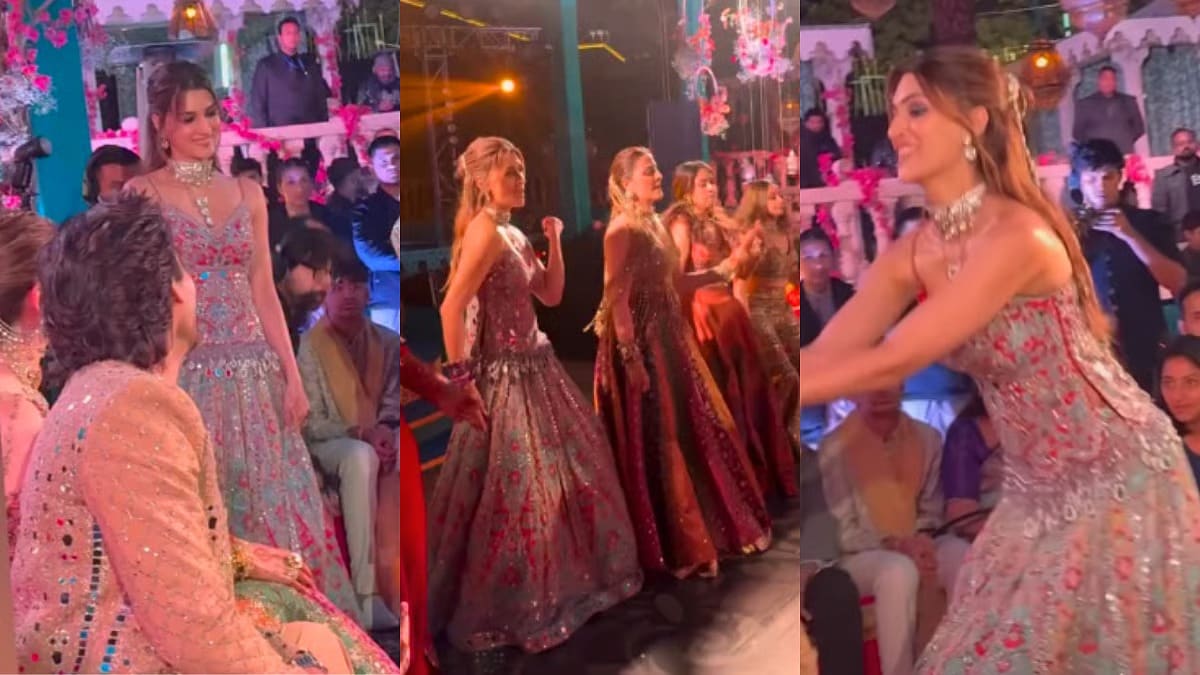
The song recently resurfaced at a private celebration, with Kriti Sanon and Varun Sharma dancing to it at her sister’s sangeet. The clip spread fast online, like similar moments before it. No choreography, no stage lights. Just instinctive dancing to a familiar track. That’s usually the mark of a song that’s outgrown its original audience.
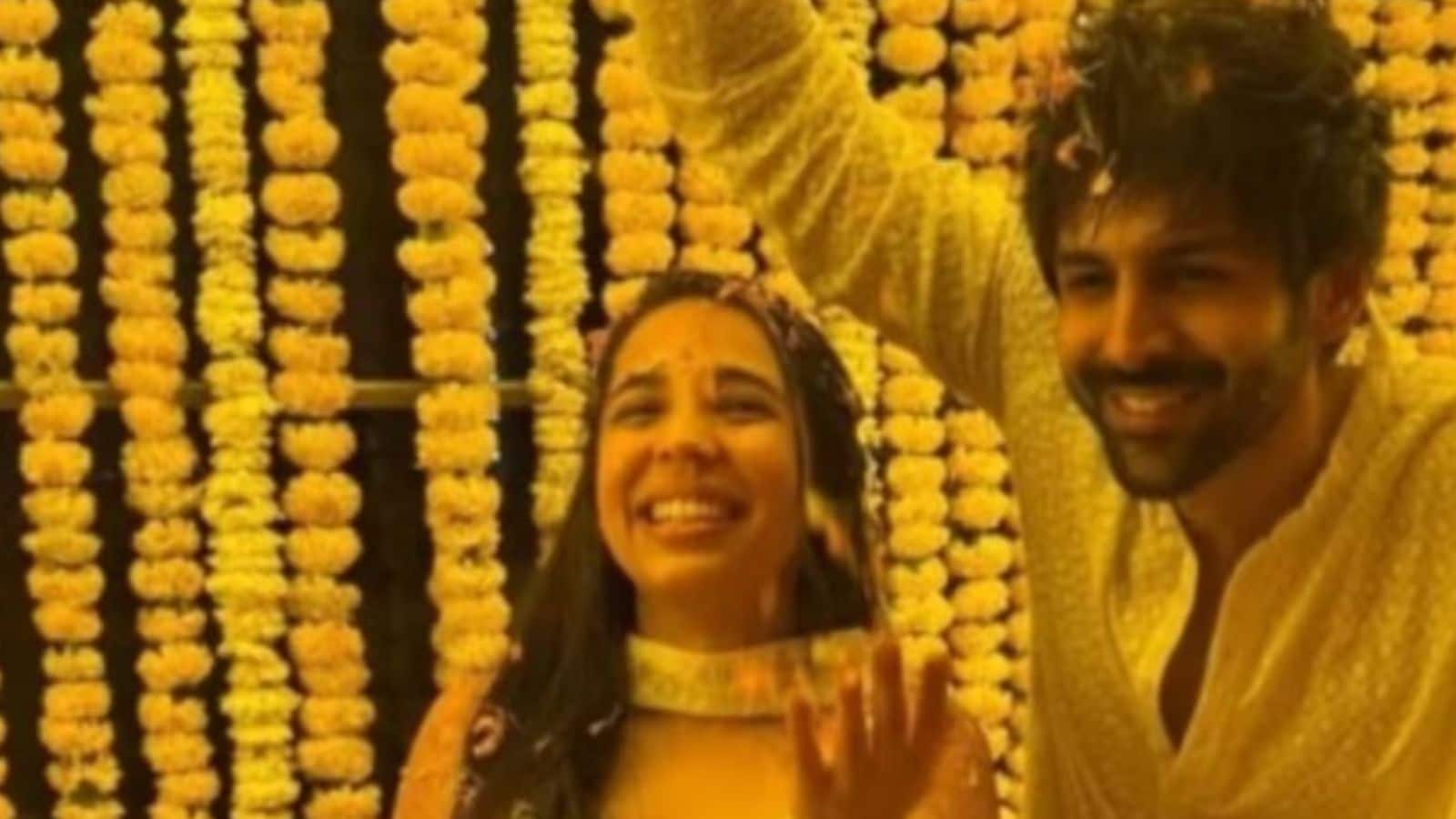
This wasn’t the first time the song made headlines through a celebrity wedding moment. A few years ago, Kartik Aaryan danced to the same track at his sister Kritika Tiwari’s sangeet in Gwalior. The crowd already knew what was coming once the music started. The video didn’t feel planned, which made it travel further.
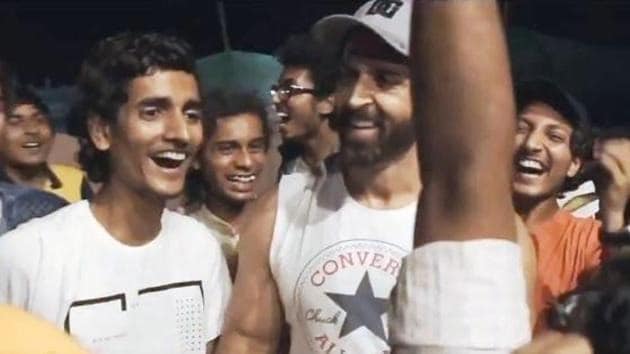
Even film sets haven’t escaped the song’s pull. In 2019, Hrithik Roshan shared a casual video dancing to Lollipop Lagelu with the cast of Super 30. Shot during downtime, the clip was light and unguarded. Fans responded because it felt spontaneous. The song sounded at home even there.
What’s striking is where the song keeps appearing. Not award shows or stage performances. It thrives in private spaces where people let go. Weddings, breaks between shots, late-night rehearsals. That’s where it has built its reputation, without needing reinvention.
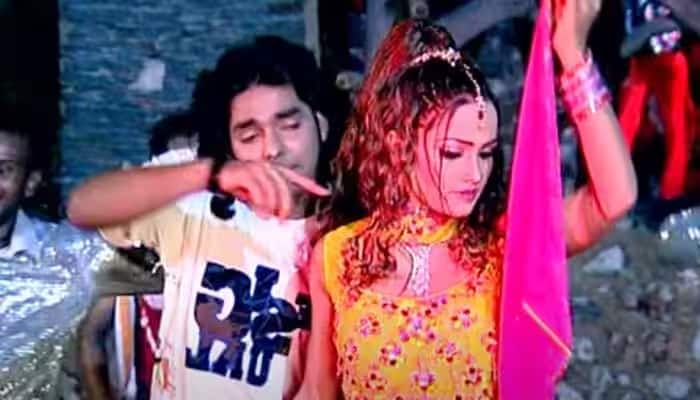
The rise of Lollipop Lagelu didn’t follow the usual Bollywood blueprint. It exploded on YouTube, driven by shares rather than studio backing. Dance covers and local performances pushed it further. Over time, it crossed language and regional barriers. It became familiar even to people who didn’t understand the lyrics.
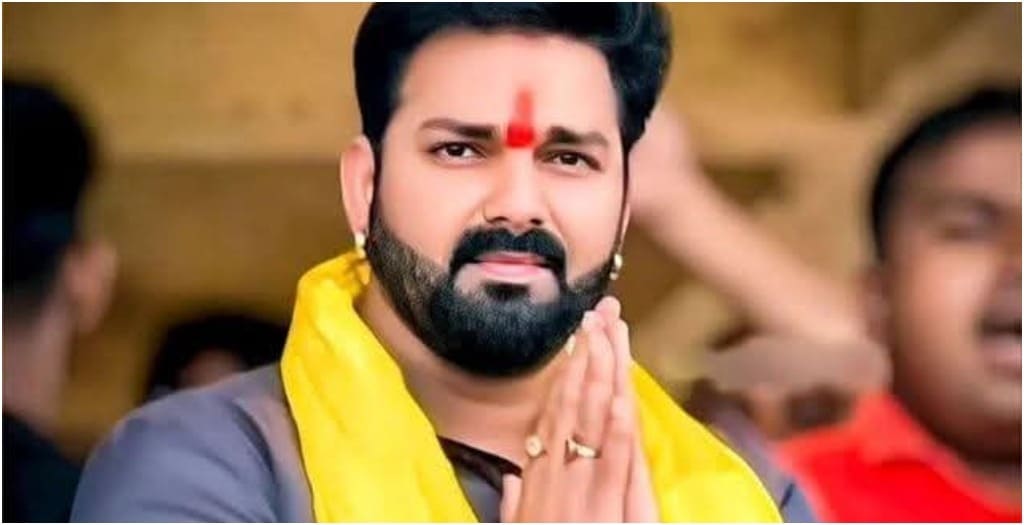
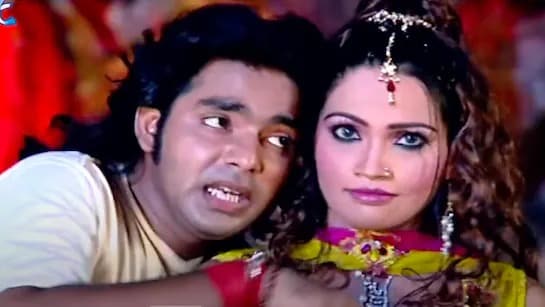
At the heart of this phenomenon is Pawan Singh. Already a major name in Bhojpuri cinema and music, the song elevated him to national recognition. His voice gave the track its unmistakable identity. For many outside Bihar, this was their first exposure to his work. The song turned Pawan Singh into a crossover name without dilution.
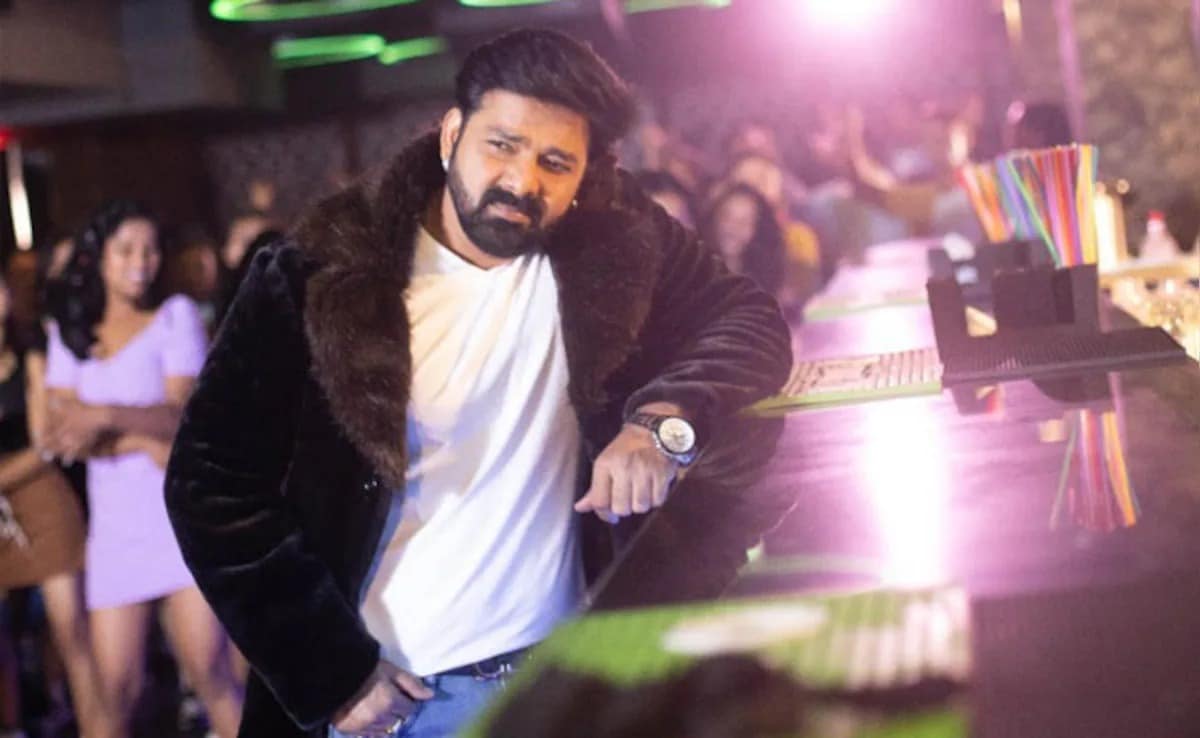
Pawan Singh’s appeal lies in his directness. His delivery is unpolished, loud, and confident. That raw energy is exactly what makes Lollipop Lagelu work in celebratory settings. The song doesn’t demand technical appreciation. It asks for movement, and people respond instinctively.
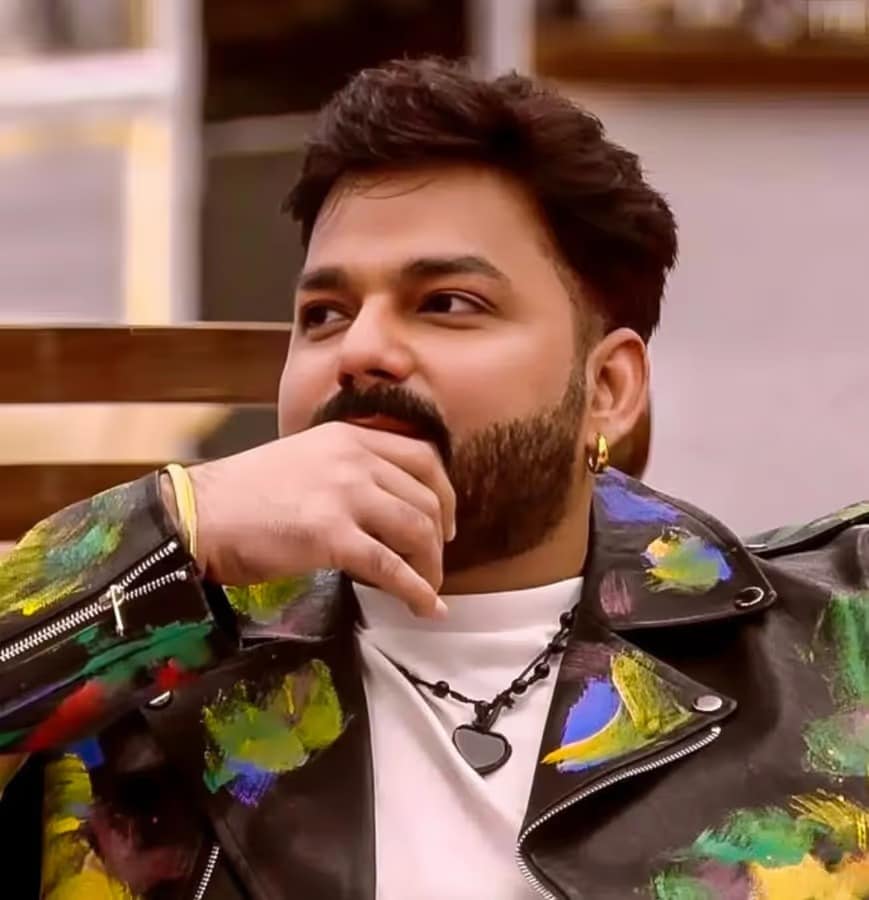
Bollywood’s repeated return to the track reflects a larger shift. Regional music no longer waits for validation from Hindi cinema. If a song connects, it travels on its own. Actors embracing it publicly only speeds up the process. Lollipop Lagelu became a bridge between industries without trying to be one.
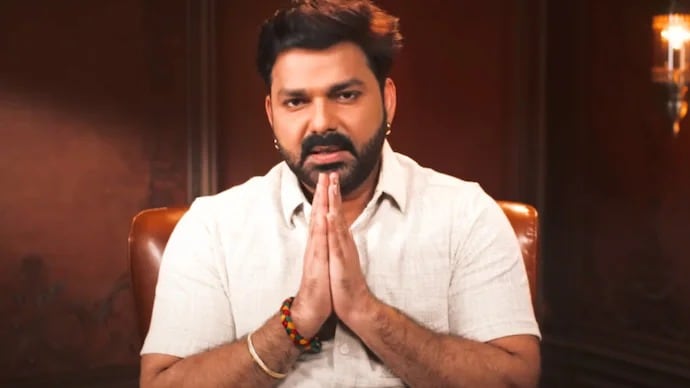
Years later, the song still resurfaces without warning. A wedding here, a film set there, a celebrity reel somewhere else. The faces change, the setting changes, the reaction stays the same. That staying power belongs as much to the singer as the song. And for Pawan Singh, it remains one of the clearest markers of his lasting impact.