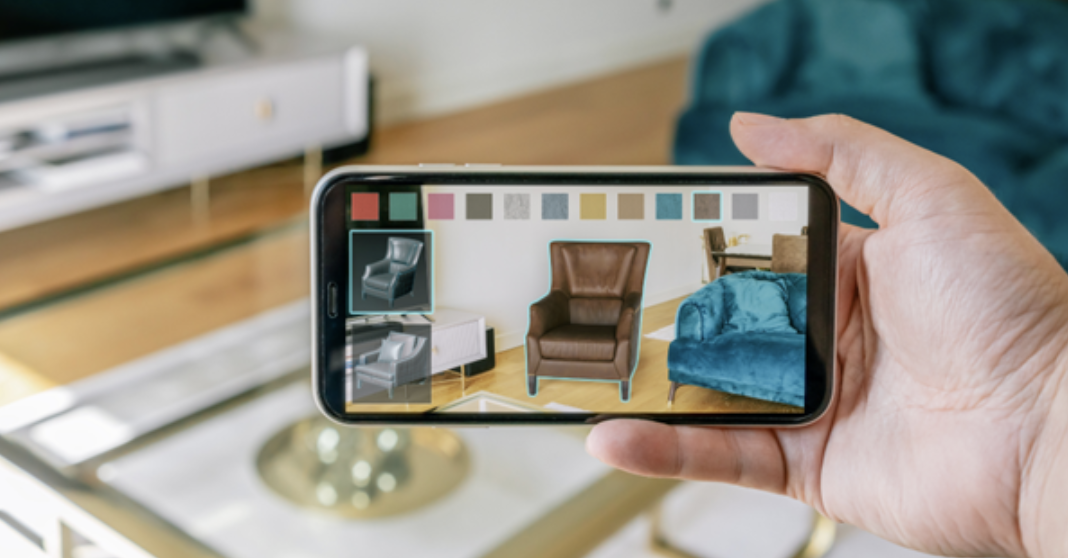
The way customers shop online has changed dramatically over the past few years. Traditional product pages with static images and text descriptions are no longer enough for many modern consumers. Today’s buyers want to see, explore, and interact with products before purchasing.
This shift is driving the rapid adoption of 3D visualization and augmented reality for furniture and other products in eCommerce. These technologies allow customers to examine products from every angle, customize them in real time, and even visualize how they would look in their own environment.
For eCommerce brands, the rise of 3D and AR is not just a technological trend—it represents a major opportunity to enhance the customer experience, improve conversion rates, and reduce purchase uncertainty.
Below are some of the most valuable lessons and opportunities eCommerce brands can leverage from this growing shift.
Create More Immersive Product Experiences
One of the biggest advantages of 3D technology is the ability to provide interactive product exploration.
Instead of relying on a few static product photos, customers can:
- zoom into details and materials
- explore different product components
- view the product from multiple angles
This creates a much more engaging product experience that mimics in-store browsing.
For complex products such as furniture, lighting, appliances, or equipment, interactive 3D visualization helps customers understand the product much better than traditional catalogs. As a result, shoppers feel more confident in their purchase decisions.
Enable Real-Time Product Customization
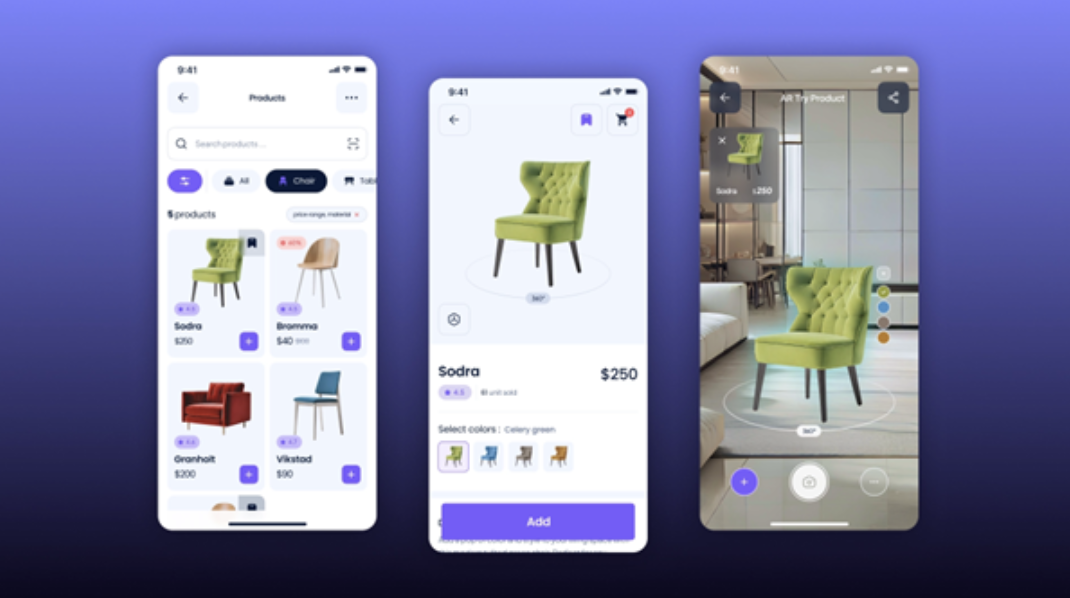
Customization is becoming a key expectation in modern eCommerce. Many customers want products that reflect their personal preferences rather than fixed, pre-defined options.
3D configuration tools allow customers to personalize products directly online. For example, they can change:
- additional features or accessories
With real-time 3D visualization, every selection is instantly reflected in the product model. This makes the customization process intuitive and transparent.
For brands offering configurable products—such as furniture, lighting, or modular systems—this approach significantly improves the shopping experience while simplifying product selection.
Reduce Purchase Uncertainty with Augmented Reality
One of the biggest barriers in online shopping is uncertainty.
Customers often hesitate to purchase products because they are unsure:
- how the product will look in real life
- whether it will fit their space
- how it will match existing furniture or surroundings
Augmented Reality helps solve this problem.
Using a smartphone or tablet, customers can place virtual products directly in their environment. They can see how a chair fits in their living room, how a lamp looks on their desk, or how a table matches the rest of their interior.
This dramatically improves confidence in the purchase decision and can significantly reduce product returns.
Improve Conversion Rates
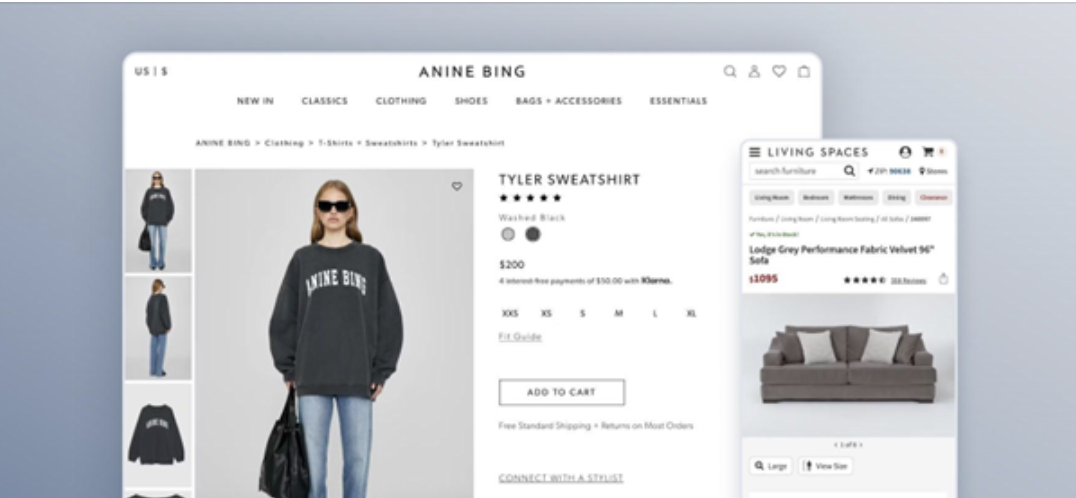
Interactive technologies naturally increase customer engagement.
When shoppers spend more time interacting with products—rotating models, testing options, or visualizing products in AR—they become more invested in the purchase process.
This deeper engagement often leads to:
- higher conversion rates
- longer time spent on product pages
- improved customer satisfaction
- fewer abandoned purchases
Instead of passively scrolling through product listings, customers become active participants in the buying experience.
Support More Efficient Sales and Product Communication
Beyond eCommerce, 3D technologies can also support sales teams.
Interactive product configuration tools allow sales representatives to:
- demonstrate product options visually
- create accurate configurations during consultations
- instantly generate product visuals for customers
This makes product communication much clearer and reduces misunderstandings when dealing with configurable or complex products.
For brands selling both online and through sales teams, 3D configuration platforms help unify the customer experience across channels.
Prepare for the Future of Digital Commerce
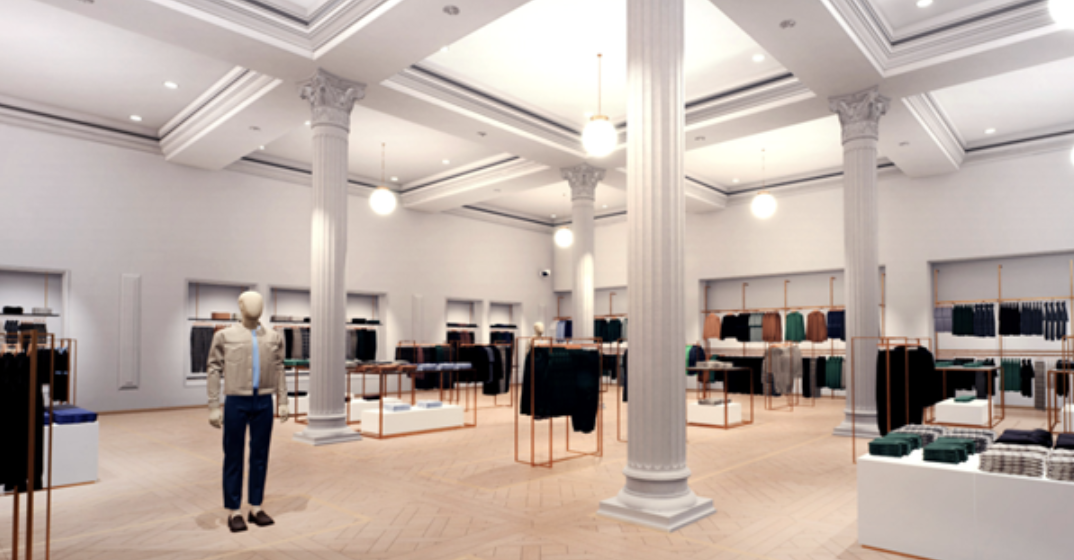
The rise of 3D and AR is also closely connected to the broader evolution of digital commerce.
Technologies such as:
- immersive product experiences
- digital twins of physical products
- spatial computing environments
are gradually shaping the next generation of online shopping.
Brands that adopt 3D product experiences today are better positioned to participate in these future ecosystems. Instead of rebuilding their product assets later, they already have the foundation for more immersive digital experiences.
Conclusion
The rapid growth of 3D visualization and Augmented Reality is transforming how customers interact with products online.
For eCommerce brands, these technologies offer powerful opportunities to:
- create more engaging product experiences
- enable real-time customization
- reduce purchase uncertainty
- increase conversion rates
- support more effective product communication
As customer expectations continue to evolve, interactive product experiences are becoming an increasingly important part of modern eCommerce. Brands that embrace 3D and AR technologies today can build stronger connections with customers and deliver the kind of shopping experiences that modern buyers increasingly expect.