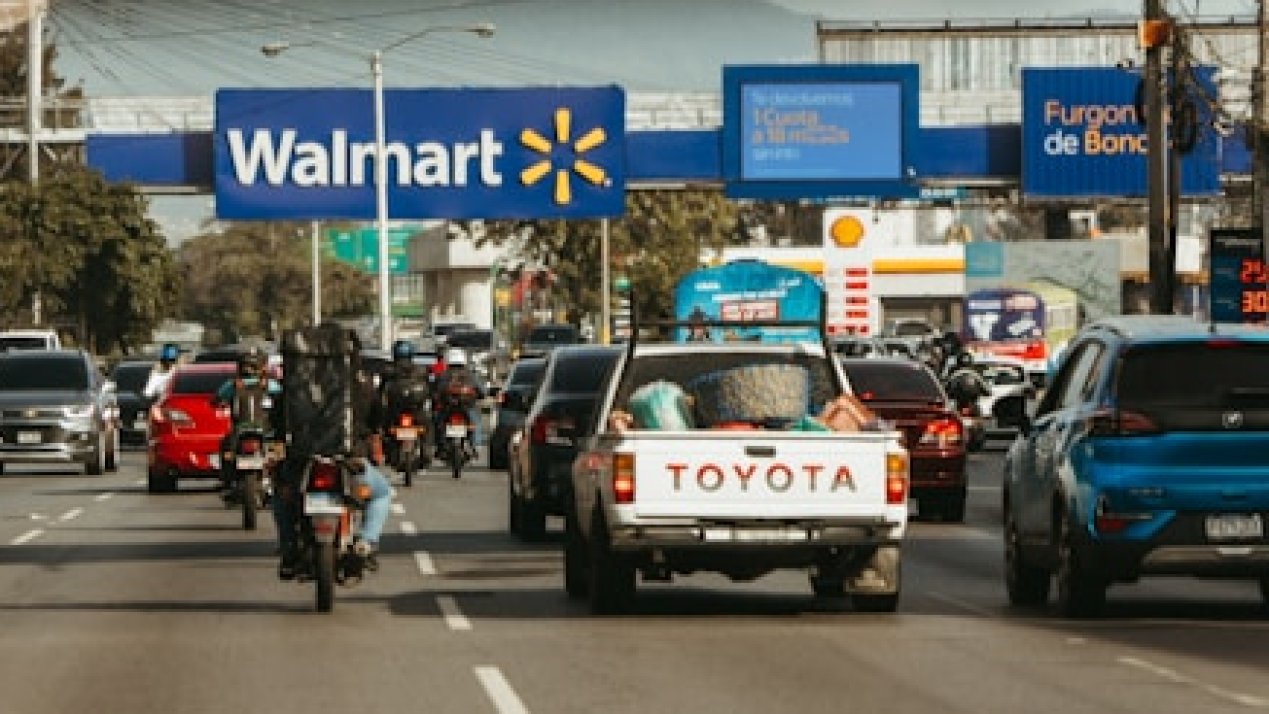
Walmart reported a 10.8% increase in international net sales for the third fiscal quarter of 2026, reaching US$33.5 billion. The performance was driven by sustained momentum in Mexico, China, and India, where localized omnichannel strategies and continued e-commerce investments delivered solid gains.
During an analyst call, Walmart executives highlighted a global strategy centered on scaling high-performing operations. International e-commerce sales rose 26% globally.
Walmart’s growth was largely concentrated in three regional pillars, each leveraging distinct localized business models to capture market share.
Walmart Mexico (Walmex): The subsidiary continued to serve as a strategic growth driver by expanding its geographic footprint and enhancing its digital capabilities. Initiatives such as El Fin Irresistible—Mexico’s equivalent of Black Friday—and faster delivery services have strengthened engagement with Mexican consumers.
Sam’s Club China: The membership-based wholesale format has emerged as a key growth engine in China. Net sales in the country increased 21.8% in constant currency, with digital channels now accounting for approximately half of total revenue.
Flipkart (India): The e-commerce platform remained central to Walmart’s digital ecosystem. The timing of the Big Billion Days sales event significantly boosted third-quarter performance, with Flipkart reaching peak processing speeds of 87 orders per second.
Omnichannel Integration and Technological Transformation
The 10.8% growth in international sales represents one of the fastest expansion rates within Walmart’s global operations in recent years. This performance has been supported by an omnichannel strategy that integrates physical stores with digital platforms to improve efficiency and customer experience.
Technology continues to be a competitive advantage. More than 40% of Walmart’s software applications now incorporate artificial intelligence, enhancing inventory optimization and personalization. Automated distribution centers have also been deployed across international markets to improve delivery speed—an increasingly critical factor in highly competitive retail environments such as India and China.
Financial Outlook and Strategic Shift
While the United States remains the company’s largest revenue source, the international segment is gaining financial relevance due to its adaptability and faster growth profile. Operating income for the international business increased 16.9% on an adjusted constant-currency basis, reflecting improved e-commerce economics and a more favorable sales mix.
In 2025, Walmart experienced notable executive turnover as part of a broader strategic realignment. The company appointed John Furner, then its second-highest-ranking executive, to succeed Doug McMillon as CEO. Both Furner and McMillon began their careers at Walmart in entry-level store positions, underscoring the company’s tradition of internal leadership development.