Climate investors in the US are continuing to channel capital to where it is needed most, according to speakers at this year’s NEXUS event in February in Orlando, Florida.
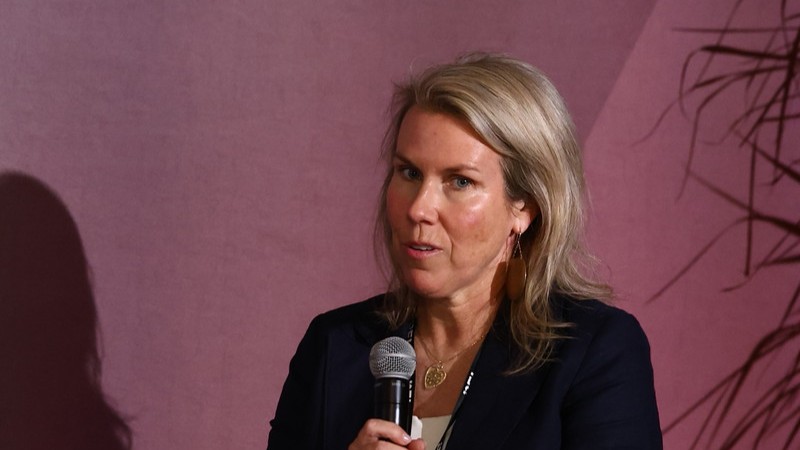
Among the speakers was Megan Wenrich, chief operating officer at the All Aboard Fund, an innovative co-investment vehicle designed to back climate tech companies taking first-of-a-kind technology through to commercial scale. Such companies frequently face a financing gap — the so-called “missing middle” — as the checks required become too large for VC but are considered too risky by many later stage investors.
The All Aboard Fund co-invests alongside members of the All Aboard Coalition as and when certain criteria are met.
“We’re not taking a board seat; we’re a passive investor,” said Wenrich on stage at NEXUS. “But what we’re trying to do is reduce the friction that these companies are experiencing, and to foster more collaboration amongst investors.”
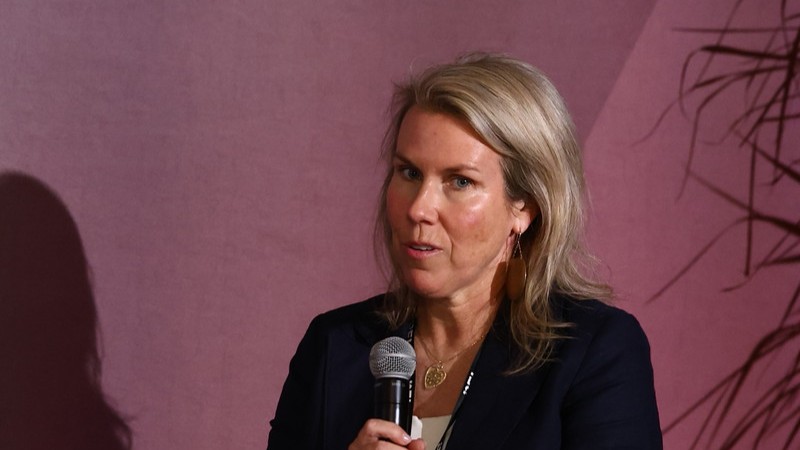
Wenrich said the fund would hold a final close “later this summer,” but that the group “aspires to have a much larger fund in the near future, as we aspire to deploy this fund very rapidly.”
Wenrich did not discuss the fund size on stage, but it has been reported that the fund is targeting $300 million. It announced its first investment in January: a Series C funding round for an AI-powered geothermal exploration company.
When asked how other firms could get involved in the All Aboard Coalition, Wenrich said: “Right now we are tying to consecrate the coalition members we have. What I would say is: our aspiration is not to have 100 firms in the coalition. Right now we have a very high bar for who we invite into the coalition.”
All Aboard launched in September 2025 with 13 members and has since grown to 17 firms, including Ara Partners, DCVC, Khosla Ventures, Energy Impact Partners, Obvious Ventures and S2G Investments. (See the full list of coalition members here.)

Also on stage was Jonathan Hirschtritt, managing director at GCM Grosvenor, an asset manager with around $77 billion in AUM invested in private equity, infrastructure, real estate, credit and absolute return strategies.
Hirschtritt described his firm’s approach to “a new kind of funding gap” that has opened up because of changes to policy and rising interest rates. “We’re finding a lot of very well performing renewables assets, like residential solar assets, for instance, where the capital structures don’t work anymore [in terms of] leverage or from a lack of subsidies.”
“I think, like many markets, there is a funding gap in terms of recapitalizing some of those performing assets that are in the wrong structure today.”
Hirschtritt also pointed to opportunities in the space between private equity and infrastucture that may be passed over by allocators with delineated, separate teams in those two asset classes.
“We think there’s really compelling opportunities in this gray area, or what we’ll call hybrid investments, where they do have a lot of infrastructure characteristics [like recurring contractual revenue], but they’re also using a private equity kind of value creation growth book, and they have a good return profile,” he said.