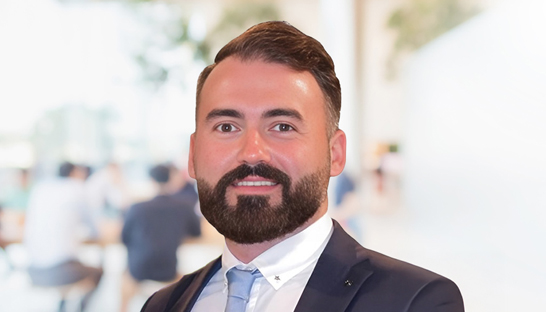
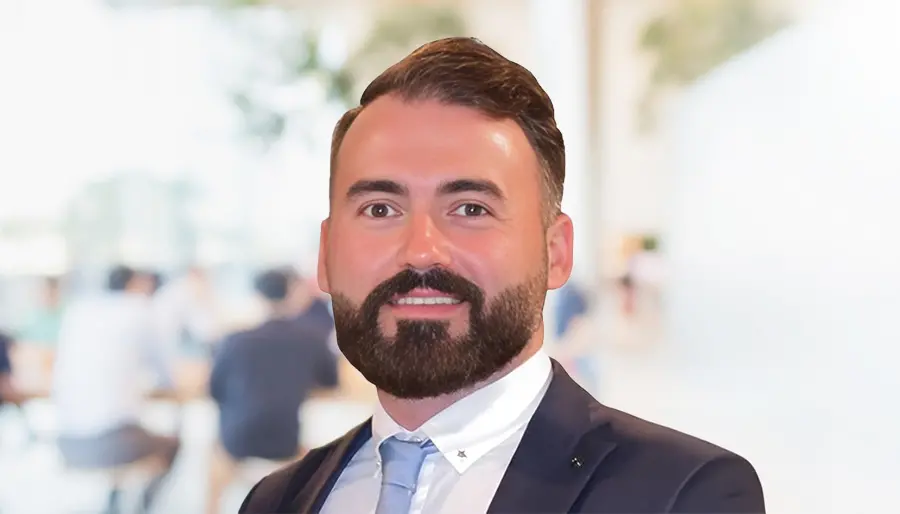
Saudi Arabia’s entrepreneurship ecosystem is entering a high-performance phase, powered by bold policy reforms, expanding capital access, and a new generation of high-impact innovators, writes Abdulaziz Jalab, KSA Country Leader at Frost & Sullivan.
Over the past five years, Saudi Arabia has recorded one of the fastest startup formation rates globally, with new business registrations rising more than 40% between 2019 and 20231 . Venture capital activity has grown even faster: Saudi Arabia captured nearly 50% of all MENA venture capital funding in 2023, up from less than 15% just five years earlier.
This development is not incremental – it is a structural economic shift aligned with Vision 2030.
What differentiates Saudi Arabia is the alignment of capital, regulation, and market demand, three forces that rarely move together in emerging markets. Programs such as the Entrepreneurship World Cup and platforms like Biban showcase the Kingdom’s global ambition.
The 2025 Entrepreneurship World Cup, offering over $1.5 million in prizes, attracted applications from more than 100 countries, reinforcing Saudi Arabia’s rising influence as a destination for founders, investors, and global talent.
These efforts directly support Vision 2030’s target of increasing SMEs’ contribution to GDP from 20% to 35%, reshaping sector policies, public-sector funding, and private investment strategies across the national economy.
An expanding capital landscape
Saudi Arabia’s investment environment is deepening rapidly. Beyond sovereign wealth funds, the Kingdom now hosts more than 100 active venture capital and private equity firms, up from fewer than 30 in 2018.
Corporate venture capital has surged by over 220% in just three years, while specialized accelerators in digital health, fintech, clean energy, mobility, and AI are giving founders direct pathways to scale and partnerships with major enterprises.
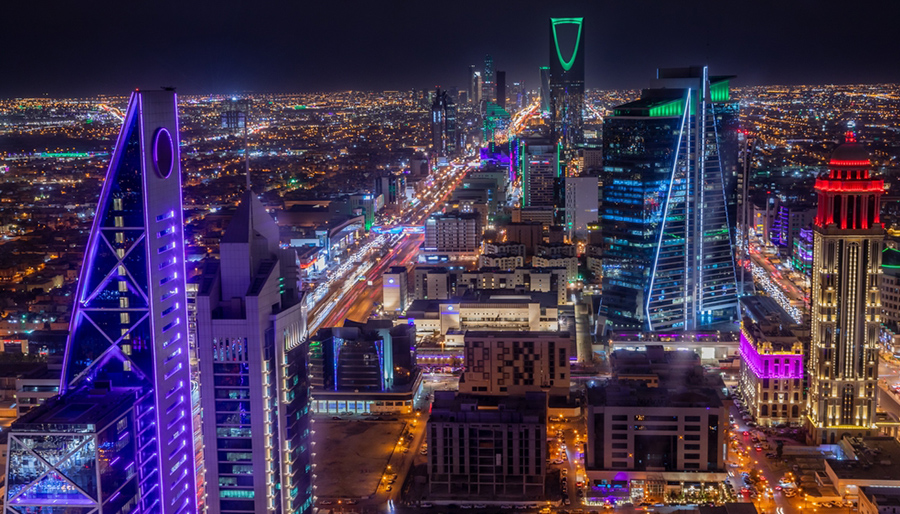
Riyadh is at the epicentre of Saudi Arabia’s innovation and startup growth scene
Regulation revisited
The regulatory environment has transformed at a pace rarely seen in emerging markets. Licensing times have dropped by more than 60% thanks to digital platforms such as Meras, and more than 800 economic and regulatory reforms have been enacted under Vision 2030.
These reforms signal to global investors that Saudi Arabia now offers regulatory clarity, administrative speed, and longterm policy stability, conditions that dramatically reduce friction for founders.
A large and strategically positioned market
Saudi Arabia also represents one of the most attractive markets in the region. With a population of 35 million, high purchasing power, and one of the fastest digital adoption rates in the G20, the Kingdom offers startups both scale and sophistication.
Increasingly, Saudi Arabia is viewed not only as a large domestic market, but as a strategic launchpad into the GCC, Middle East, and Africa, supported by world-class logistics, infrastructure, and connectivity.
Success stories strengthening ecosystem credibility
The rise of leading Saudi startups has accelerated investor confidence. Companies such as Tamara, Unifonic, Foodics, Jahez, Zid, Red Sea Farms, and Classera have demonstrated that Saudi Arabia can produce globally competitive ventures that attract international capital, expand regionally, and achieve scale through IPOs, acquisitions, and unicorn-level growth.
Saudi startups are now delivering measurable economic impact by solving real national challenges. Tamara, the Kingdom’s leading ‘Buy Now Pay later’ (BNPL) platform, has accelerated digital payments adoption while strengthening SME liquidity, reporting SAR 330+ million in revenue in Q3 2025 (up 114% year-on-year) and achieving SAR 90+ million net income in the first nine months of 2025 after years of losses.
Meanwhile, Foodics, a home-grown restaurant-tech and fintech platform, is modernizing one of the Kingdom’s largest private-sector employers by digitizing operations for thousands of restaurants; in H1 2025 alone, its revenue increased to around $21 million in 2024, supporting efficiency, job creation, and sector competitiveness. Together, these startups illustrate how Saudi innovation is solving structural challenges while delivering strong commercial growth.
Conclusion
Taken together, Saudi Arabia’s positive developments point to a robust decade ahead, one in which the Kingdom stands firmly as the region’s definitive hub for founders, investors, and high-growth ventures. The Kingdom is not only transforming its economy, it is reshaping the entrepreneurial landscape of the Middle East and positioning itself as a global center for innovation beyond 2030.
Abdulaziz Jalab is RHQ Vice President & Country Head for Saudi Arabia at Frost & Sullivan.