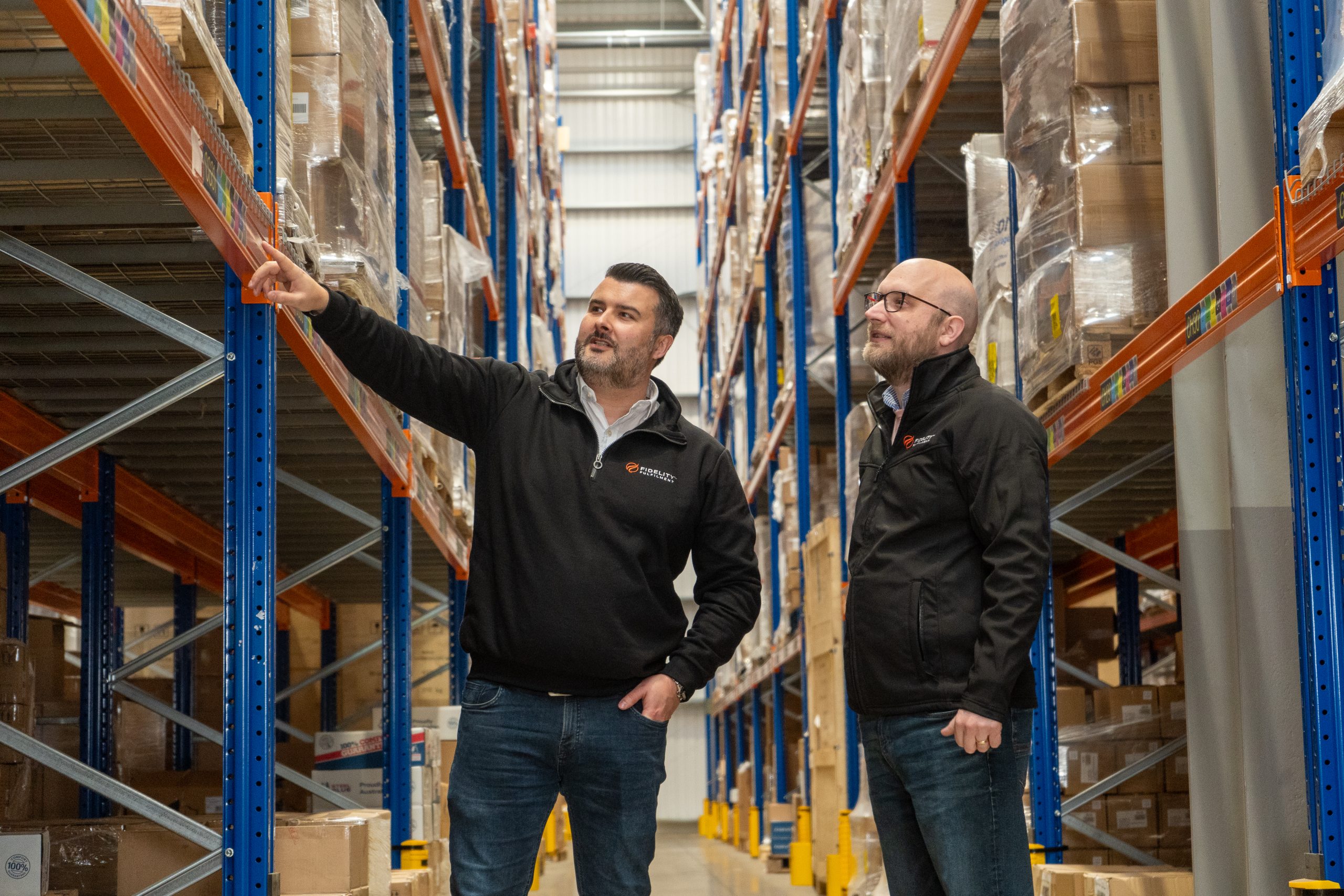
There are five key logistical challenges that follow a peak season like Christmas. Stephen Williams, director and co-founder of Fidelity Fulfilment, talks us through them.
Much of the retail industry’s attention is focused on peak periods surrounding Black Friday, Cyber Week, and Christmas. And for good reason. During these weeks, order volumes reach their highest, margins are under pressure, and operational teams are pushed to their limit. Success or failure is highly visible, and the planning, staffing, and logistics required are extensive.
Yet, in my experience supporting high-volume e-commerce brands through peak and into Q1, it’s often the weeks after peak that separate the truly successful brands from the rest. This period may appear deceptively quiet as the flurry of orders slows, warehouses clear, and businesses exhale, but for operations teams, this is far from a reprieve. The challenges differ from peak, but they are equally critical and mishandling them can damage cashflow, customer experience, and next year’s peak readiness.
1: Returns and refunds at scale
Returns are predictable, yet often underestimated. While most brands plan for surging orders during peak, fewer anticipate the volume of returns that follows. Processing returns efficiently – checking items, restocking, and issuing refunds – can strain labour, storage, and cashflow. Returns are also a direct customer touchpoint, and a poor experience can erode trust and reduce repeat purchase likelihood.
The most successful retailers treat returns as a revenue-protection strategy. Clear processes, proactive communication, and automation where possible make returns manageable and can even strengthen customer loyalty. Tracking returns trends also helps brands identify product issues, adjust forecasts, and plan clearance or promotional sales strategically.
2: Excess and overstocked inventory
Unsold seasonal stock isn’t just a financial hit, it occupies warehouse space and ties up working capital. Many brands fail to recognize how quickly these costs escalate, particularly when storage capacity is limited.

Effective post-peak inventory management goes beyond moving stock quickly. Brands should use post-peak data to understand what sold, what didn’t, and why. These insights inform smarter purchasing, more accurate demand forecasting, and more profitable Q1 promotions. Addressing excess stock now avoids bottlenecks later, reduces pressure on warehouse teams, and frees resources for the next sales cycle.
3: Stockouts on bestsellers
Peak forecasting is never perfect. Misjudged demand can leave popular products out of stock, creating backorders and frustrating customers. Post-peak operations must not only clear excess inventory but also identify products that require urgent replenishment and ensure supply chains respond rapidly.
This is not just an operational concern, it’s a customer experience issue. Clear communication, realistic delivery estimates, and efficient backorder management can transform potential frustration into an opportunity to showcase reliability and service excellence.
4: Customer experience fallout
Late deliveries, delayed returns, and exchanges can sour relationships if mishandled. Brands often assume customer pressure diminishes once peak is over, but in reality, complaints often surface in these quieter weeks.
Investing in customer service, proactive communication, and smooth returns processes ensures your brand retains trust, encourages repeat business, and sets the stage for a strong Q1.
5: Data overload vs. insight
Retailers can be overwhelmed by post-peak data: order volumes, returns patterns, inventory shifts, and shipping performance. Without a strategy, this data can feel like noise rather than insight. The key is translating it into actionable intelligence – identifying understocked SKUs, understanding return drivers, and reviewing logistics performance.
Brands that learn from this data can forecast demand more accurately, allocate resources efficiently, and optimise operations. Ignoring it risks repeating mistakes and compounding operational pressure in future peaks.
Turning post-peak into advantage
Returns, inventory management, stock replenishment, customer experience, and data insight all converge to determine whether a company emerges stronger or weaker from the holiday season. Treating this period as an opportunity for reflection, learning, and optimisation can turn temporary pressure into long-term advantage.
At Fidelity Fulfilment, we see it every year: brands that excel post-peak are the ones that don’t just survive the frenzy, they learn from it and transform operational strain into competitive advantage. The post-peak period may lack the drama of peak, but its impact on profitability, customer loyalty, and next-year readiness is just as significant.