A decade ago, buying beauty products online was still nascent. Internet penetration was limited, digital payments were evolving, and brands were hesitant to embrace ecommerce as a serious channel. For Taneja, who started Purplle in 2011, the India of that time feels almost unrecognisable today.
“There were no payment aggregators, no Shopify, and brands didn’t want to sell online,” he says. “We started with cash-on-delivery because net banking meant signing agreements with individual banks. People shopped from office desktops because homes didn’t have Wi-Fi.”
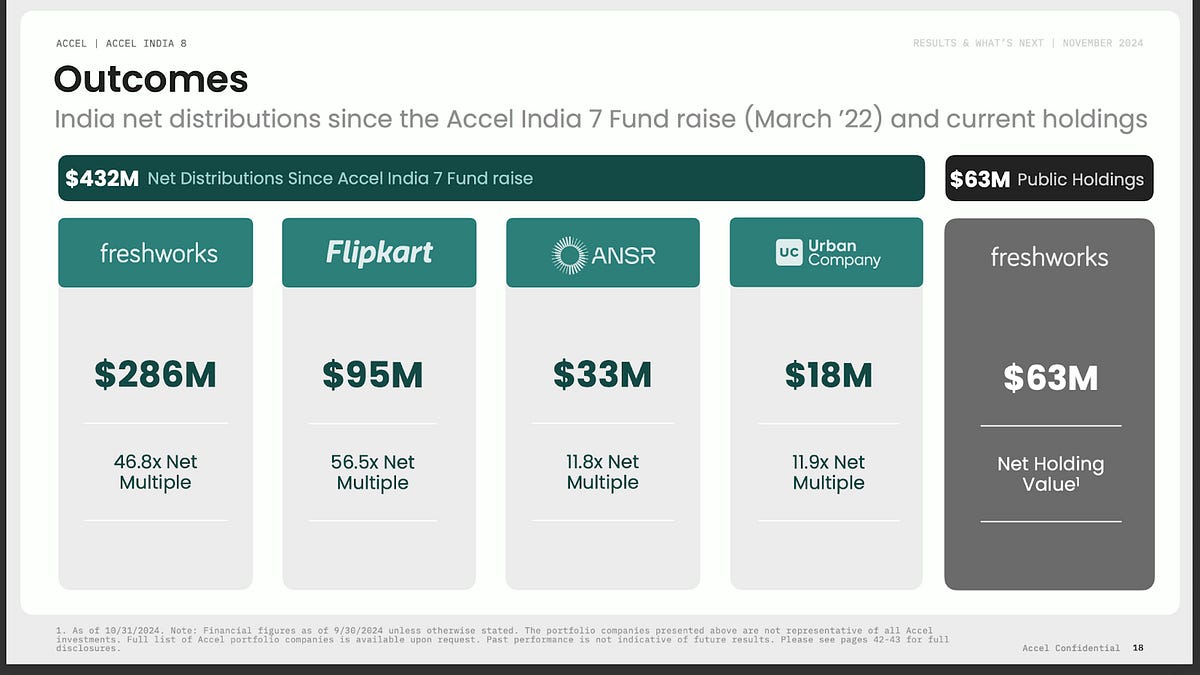
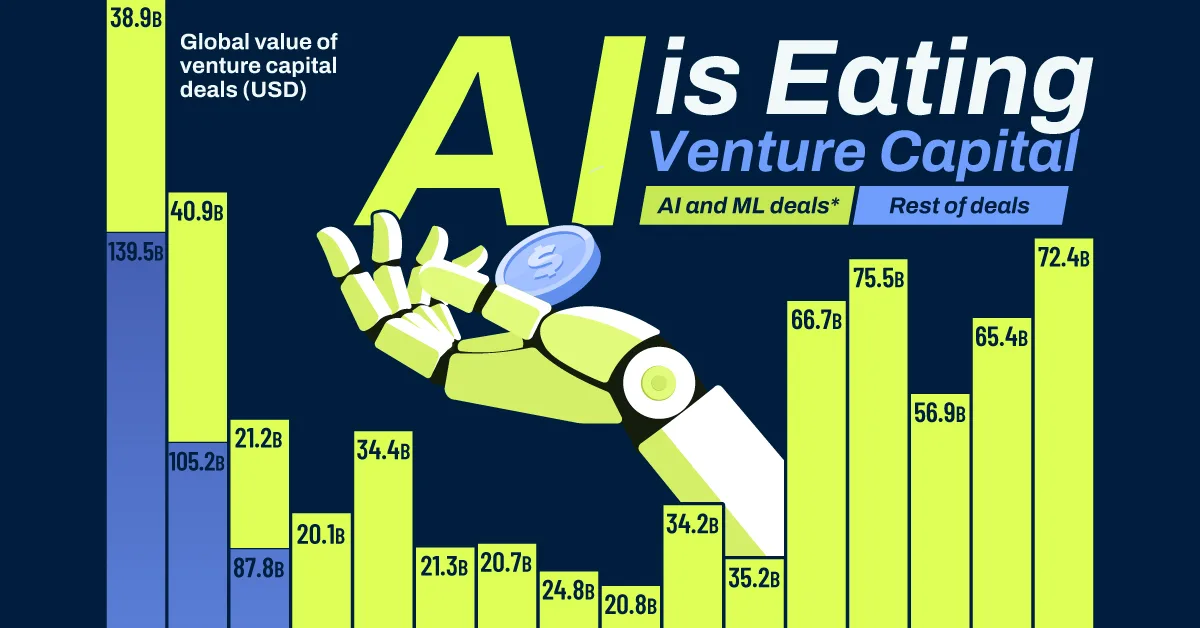
Taneja also points to how dramatically the funding and start-up ecosystem has changed. “In 2011, there were barely a handful of early-stage investors in India. Today, there are hundreds of VCs and a very strong angel ecosystem,” he says, adding that access to capital has fundamentally altered how quickly brands can be built and scaled.
That ecosystem has since been transformed by smartphones, affordable data, UPI, and a far deeper venture capital pool. Ecommerce has democratised access to beauty, enabling consumers far beyond metros to browse, experiment, and purchase across categories and price points.
“The online ecosystem didn’t just respond to demand; it created demand,” says Prasad. Increased choice and ease of access encouraged experimentation, fundamentally altering how Indian consumers engage with beauty.
This digital-first environment also enabled the emergence of strong direct-to-consumer (D2C) brands like Foxtale, which scaled without relying on traditional distribution networks. For Mazumdar, ecommerce was not a disruption but the default. “I’ve grown up in this system,” she says. “For me, D2C is not a strategy. It’s how I consume, discover, and trust brands.”