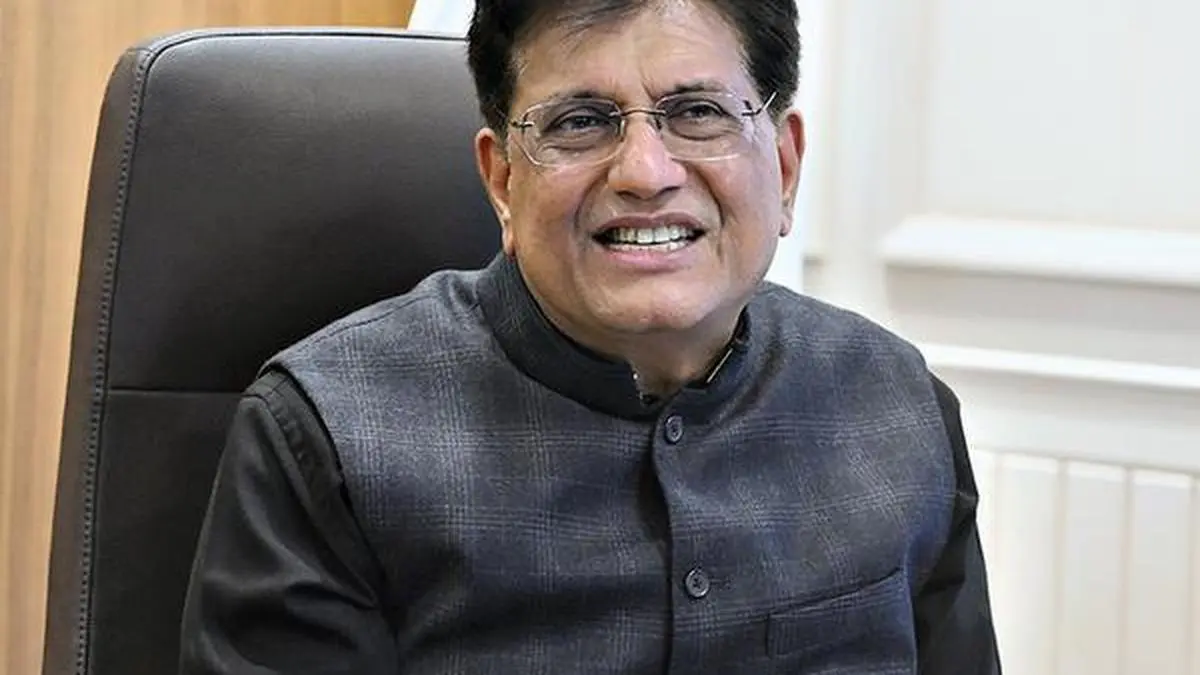
Union Minister of Commerce and Industry Piyush Goyal
| Photo Credit:
SUSHIL KUMAR VERMA
India has called for a “careful reconsideration” of the long-running e-commerce duty moratorium at the World Trade Organization at the WTO’s 14th Ministerial Conference at Yaounde given its significant implications, triggering a face-off with the US, which has demanded that it be made permanent.
As the world’s leading innovator, the US wants to ‘lock in’ duty-free access for its software and streaming giants (Microsoft, Netflix, Google, Spotify etc). A permanent ban ensures these companies aren’t suddenly hit with varying tariffs at every national border.
“In the absence of a common understanding among members on the scope of the moratorium on customs duties on electronic transmissions and given its potentially significant implications, the continued extension of this moratorium warrants careful reconsideration,” Commerce & Industry Minister Piyush Goyal said in his statement at MC14 on Thursday.
India has repeatedly questioned the moratorium, first agreed in 1998 and renewed at every Ministerial Conference of the WTO since, citing mounting tariff revenue losses and the absence of a clear definition of “electronic transmissions”, which it says could dangerously widen its scope.
It also tilted the playing field in favour of a handful of developed economies that dominate digital exports, it argued.
Raising the pitch
Washington, however, seems determined to not just get a moratorium extension at the ongoing MC14 (March 26-29), which stands to lapse now, but also ensure that it is permanent. “I want to be clear, the US is not interested in another temporary extension of the moratorium. It would not provide our businesses the certainty needed for their operations. It would also further weaken the WTO’s standing,” the US Trade Representative Jamieson Greer said in his MC14 message on Thursday.
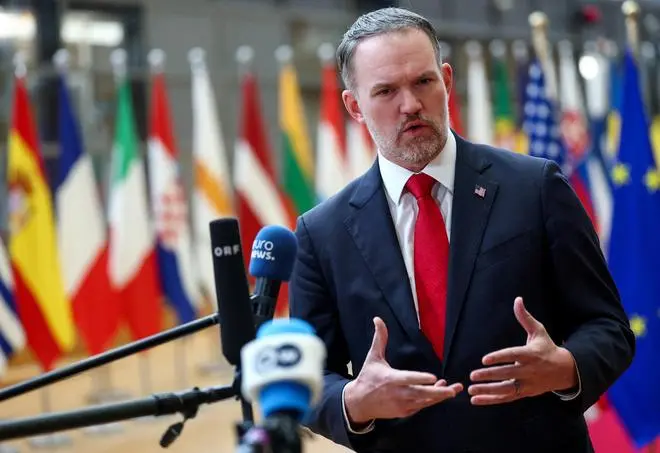
U.S. Trade Representative Jamieson Greer
| Photo Credit: PIROSCHKA VAN DE WOUW
Raising the pitch, Greer said that if members are not ready to make this accepted practice permanent after observing the moratorium for almost thirty years, no one can reasonably expect the WTO to deliver meaningful results in other sectors.
The WTO estimates that global exports of digitally delivered services reached about $4.8 trillion in 2024, roughly doubling since 2017, with developed economies, led by Europe and North America, accounting for the bulk of this trade.
Published on March 26, 2026