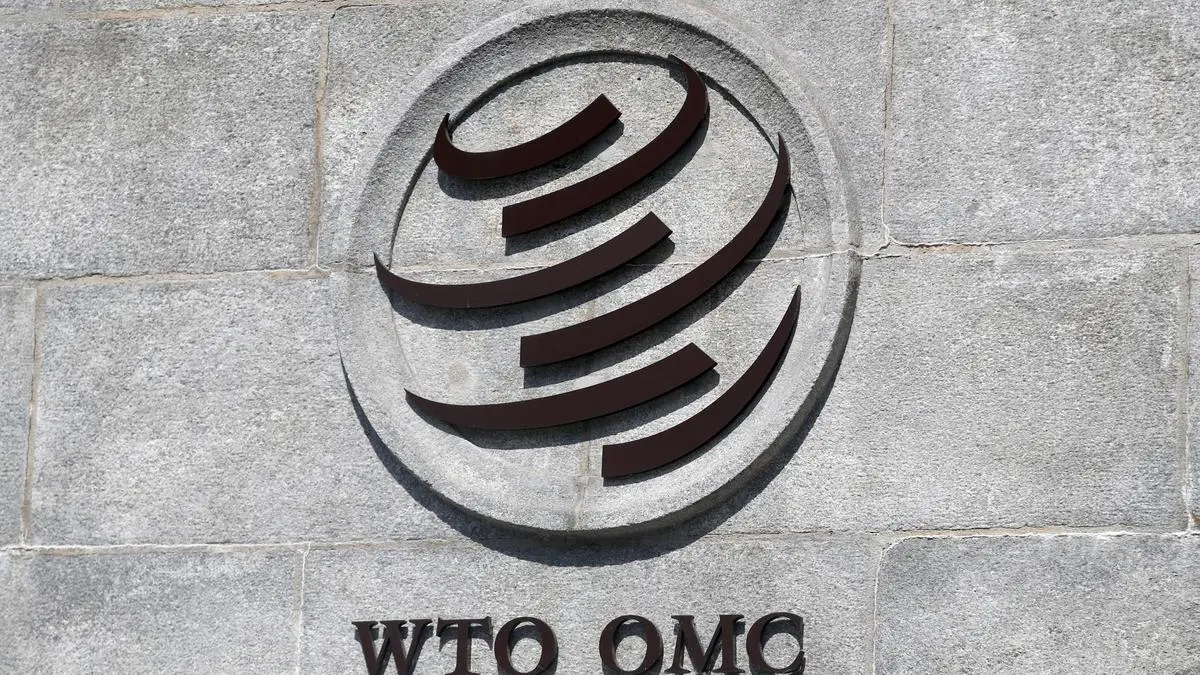
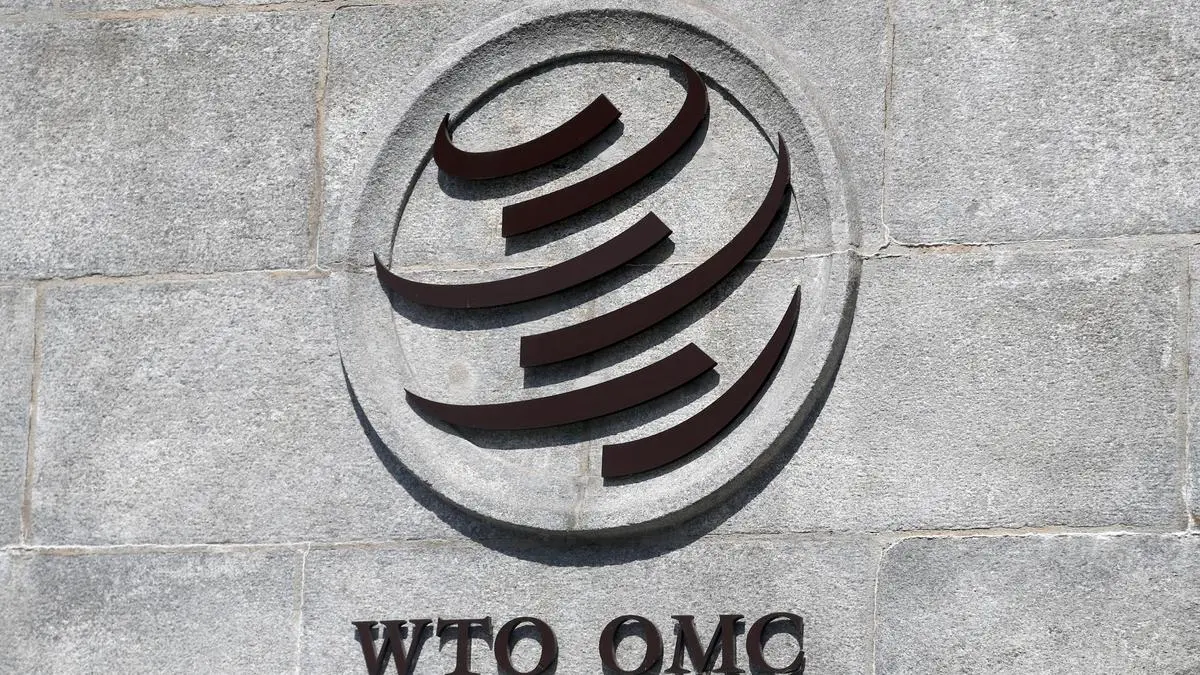
FILE PHOTO: A logo is pictured on the headquarters of the World Trade Organization (WTO) in Geneva, Switzerland.
| Photo Credit:
Reuters
Members remain sharply divided at the World Trade Organisation’s 14th Ministerial Conference (MC14) over the future of the moratorium on e-commerce duties. The US has dug in its heels, pushing for a permanent ban on customs duties for electronic transmissions, while a bloc of developing nations, including India, Brazil, and South Africa, is exploring a range of alternatives, from scrapping the moratorium altogether to extending it by two years or slightly beyond, leaving negotiations in a delicate impasse, sources said.
“The US representative has been insisting at the break-out meetings at the ongoing MC14 (in Yaoundé, Cameroon) that it will not accept anything other than a permanent moratorium on e-commerce duties. But this is impossible for India and some other developing countries to accept as it would permanently close a potentially thriving revenue source,” a source tracking the matter told businessline.
The e-commerce moratorium is a 28-year-old “temporary” agreement among WTO members (being renewed every two years so far) not to impose customs duties on electronic transmissions.
India has been questioning the continuation of the moratorium on grounds of mounting tariff revenue losses and the absence of a clear definition of “electronic transmissions”, which it says could widen the scope to dangerous levels in the years to come.
“It is understood that Brazil is ready to accept an extension of the moratorium by two years but not beyond. The same is being said about South Africa. India, so far, has been opposing its extension. It could agree to a two-year extension if other things are favourable but not beyond it,” the source said. Intense meetings are going on between various countries on the matter to arrive at a decision in time for the conclusion of the MC14 on March 29, the source added.
Another source pointed out that there were discussions on a middle ground as well, such as an extension of the moratorium for four years or six years.
In his opening statement at the WTO MC14 on Thursday, Commerce and Industry Minister Piyush Goyal highlighted the need to reconsider the moratorium extension. “In the absence of a common understanding among members on the scope of the moratorium on customs duties on electronic transmissions and given its potentially significant implications, the continued extension of this moratorium warrants careful reconsideration,” Goyal said.
In stark contrast, US Trade Representative Jamieson Greer made it clear that Washington wanted to make permanent duty-free access for its software and streaming giants (such as Microsoft, Netflix, Google, Spotify etc.) to ensure these companies aren’t suddenly hit with varying tariffs in WTO member countries.
Published on March 28, 2026