[ad_1]
Heart attacks are often linked to harsh winters in countries like the United States or Europe, where heavy snow and freezing winds put extra strain on the body.
But what many people do not realise is that India also sees a clear rise in heart attacks during winter months, even in cities where the cold is not extreme.
Cardiology departments across the country, including in South India, report more emergency cases between November and February.
Bengaluru, Delhi, Mumbai, and other major cities see a noticeable increase in patients coming in with chest pain, breathlessness, and other heart-related complaints.
Winter in India may feel pleasant compared to Western winters.
However, even a moderate drop in temperature can affect the human body, especially in people who already have high blood pressure, diabetes, high cholesterol, or a history of heart disease.
Dr Keshava R, HOD & Consultant Interventional Cardiology at Manipal Hospital, Old Airport Road, Bengaluru, says the rise in heart attacks during winter is not caused by cold air alone.
According to him, internal changes in the body, shifts in lifestyle habits, and seasonal infections together increase the risk.
HOW COLD WEATHER PUTS EXTRA PRESSURE ON THE HEART
When the body feels cold, it tries to preserve heat. To do this, blood vessels narrow through a process called vasoconstriction. This helps keep the body warm, but it also raises blood pressure.
Higher blood pressure means the heart has to work harder to pump blood. For someone with blocked or partially blocked coronary arteries, this added strain can become dangerous.
Cold weather also makes the blood slightly thicker and more likely to clot. If a clot forms over an already narrowed artery, it can suddenly block blood flow to the heart muscle. This is what causes a heart attack.
Even in India, early mornings and late nights in winter can be significantly colder. Sudden exposure to cold air — like stepping out for a walk – can trigger these changes quickly, especially in elderly people.
WINTER LIFESTYLE HABITS THAT INCREASE RISK
Winter does not just change the weather; it changes our routine.
Here are some common habits that quietly increase heart risk:
- Reduced physical activity: People tend to stay indoors and exercise less. Morning walks often stop during colder days.
- Higher calorie intake: Winter cravings for fried food, sweets, and comfort meals increase. Festival season also adds to overeating.
- Weight gain: Less movement and more calories lead to weight gain, which increases blood pressure and cholesterol.
- Smoking and alcohol consumption: Some people smoke or drink more in winter, believing it helps them “stay warm.” In reality, smoking narrows blood vessels further and increases clot formation, while excess alcohol raises blood pressure.
These combined factors increase blood sugar, cholesterol levels, and blood pressure — all major triggers for heart attacks.
THE HIDDEN ROLE OF WINTER INFECTIONS
One major but often ignored reason behind winter heart attacks is respiratory infection.
Viral illnesses such as the flu and severe colds increase inflammation in the body. This inflammation can make fatty plaques inside the coronary arteries unstable. If a plaque ruptures, it can lead to sudden clot formation and a heart attack.
For elderly people and those who already have:
A simple respiratory infection can quickly worsen heart function.
In fact, doctors say heart failure aggravated by infections is one of the most common reasons for winter hospital admissions.
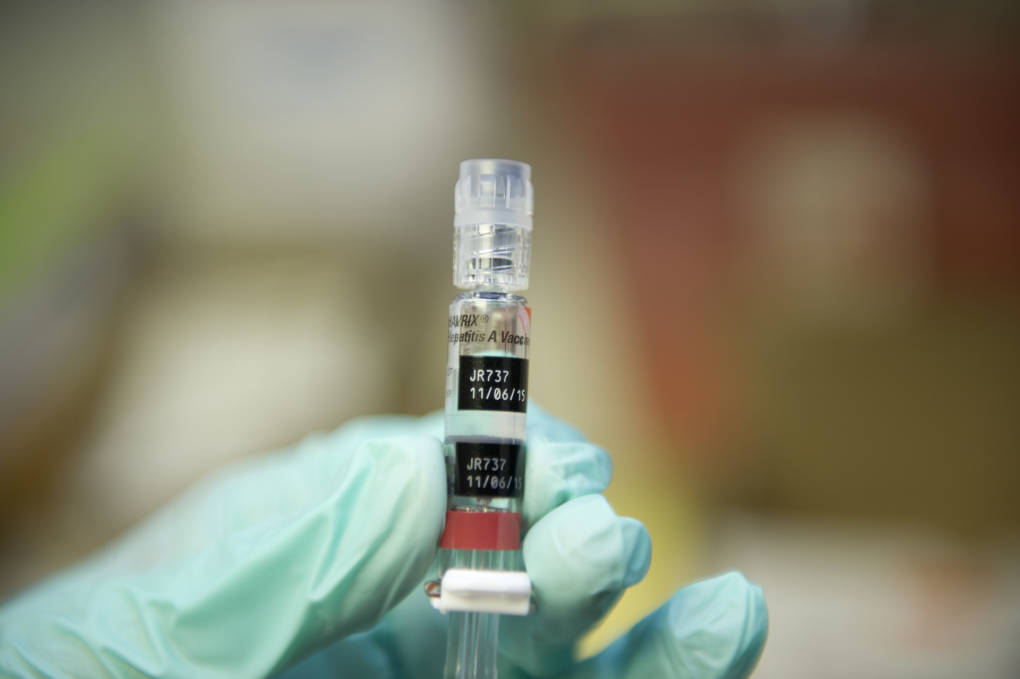
This is why influenza vaccination is strongly recommended for high-risk individuals before winter begins.
WARNING SIGNS AND HOW TO PROTECT YOUR HEART THIS WINTER
A heart attack does not change its symptoms based on the season. The warning signs remain the same:
-
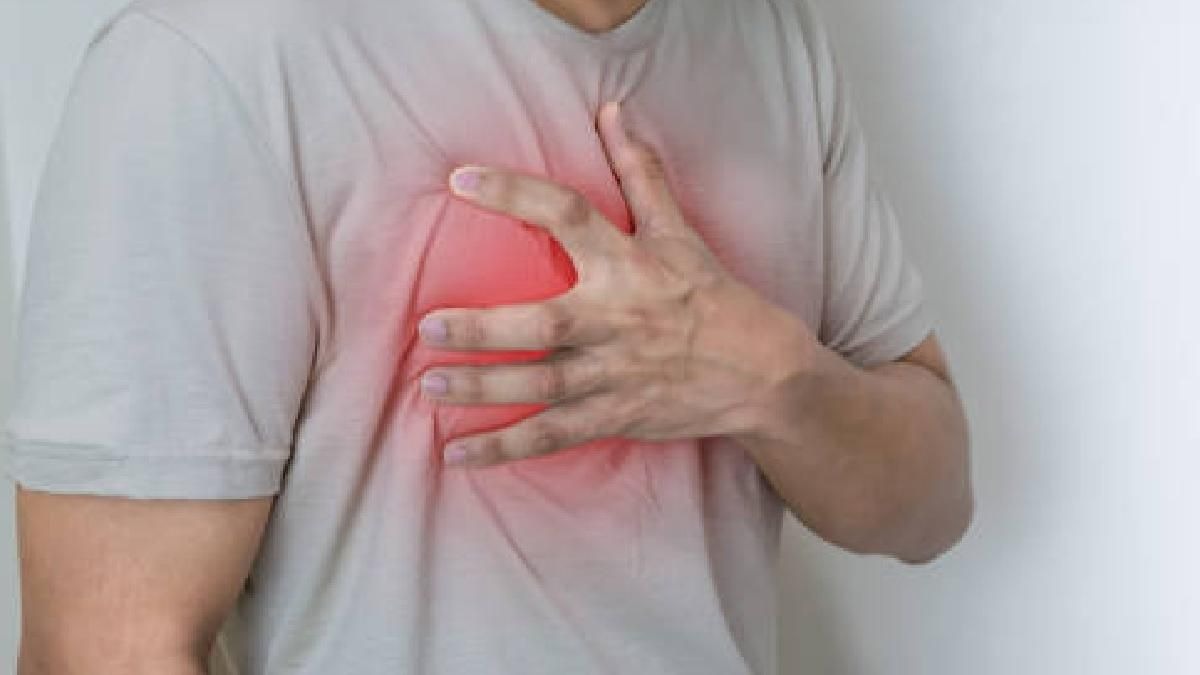
Chest pain, pressure, or tightness
-
Burning sensation in the chest
-
Shortness of breath
-
Excessive sweating
-
Pain spreading to the left arm, jaw, neck, or back
In winter, breathlessness may appear more severe because infections or heart failure may also be present.
WHAT YOU CAN DO
Doctors advise simple but effective steps:
-
Do not stop physical activity; walk indoors or exercise at home.
-
Follow a balanced, heart-friendly diet.
-
Avoid smoking completely; there is no safe level.
-
Limit alcohol consumption.
-
Monitor blood pressure, blood sugar, weight, and cholesterol regularly.
-
Take a flu vaccination if you are elderly or have heart disease.
-
Schedule regular health check-ups during the winter months.
Most importantly, do not ignore symptoms. If you feel chest discomfort, unexplained sweating, or sudden breathlessness, go to the nearest hospital immediately. Early treatment can save the heart muscle and save lives.
Winter in India may feel comfortable and enjoyable. But for the heart, it can be a high-risk season.
Even a mild cold can increase blood pressure, thicken blood, and trigger dangerous clots, especially in people with existing risk factors. Add lifestyle changes and seasonal infections, and the risk becomes even higher.
Awareness, prevention, and timely action are the best ways to stay safe. Because when it comes to heart attacks, every minute matters.
– Ends
[ad_2]