[ad_1]
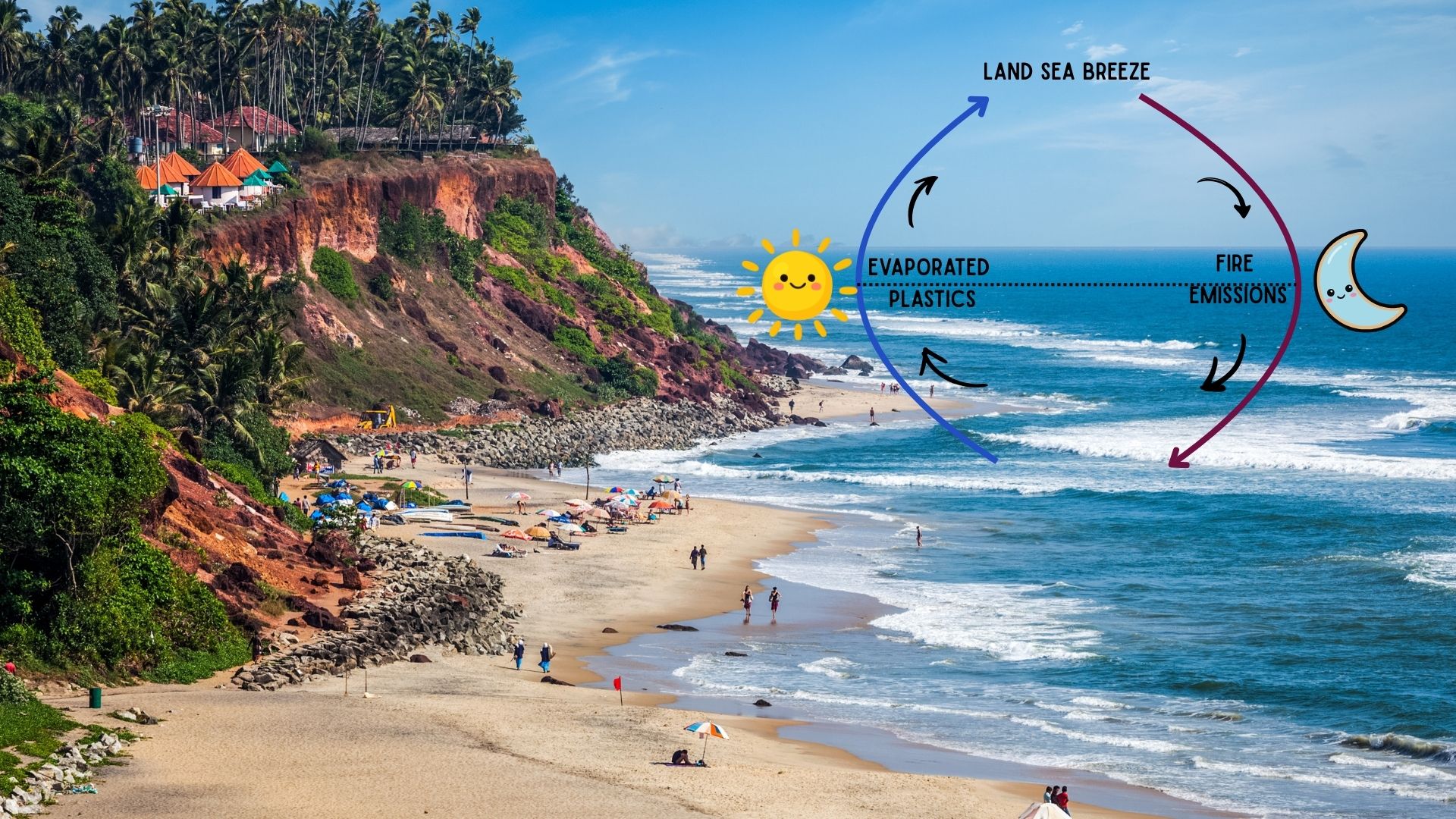
Scientists at the Vikram Sarabhai Space Centre, Thiruvananthapuram, have uncovered how a unique combination of coastal winds and intense tropical sunlight dictates the chemical makeup of the air we breathe. The study reveals that organic aerosols, which are tiny liquid or solid particles suspended in the atmosphere, undergo a dramatic transformation between day and night. By sampling air at the southern tip of India during the pre-monsoon season, the team found that these particles are twice as abundant during the day as at night. This fluctuation is driven by land-sea breeze dynamics, a cycle where the wind changes direction as the land heats and cools, acting as a powerful conveyor belt for both natural and man-made pollutants.
The researchers used a high-volume sampler, which is a giant air filter, on a rooftop just 500 metres from the Arabian Sea. These were set up to capture PM10 particles, which are roughly the size of dust and pollen. Once the particles were filtered, they used a laboratory technique called gas chromatography-mass spectrometry, to search for molecular markers or the specific chemical signatures that reveal a particle’s origin.
They found that daytime air was dominated by phthalates, which are additives used in plastics to make them flexible. The intense tropical sun causes these chemicals to evaporate from plastic waste on land and the ocean surface. Once in the air, they react with sunlight via a process known as photochemistry to form secondary aerosols.
During nightitme, as the breeze shifted to blow from the land toward the sea, it brought signatures of human activity. The team detected high levels of terephthalic acid, a specific byproduct created when plastic is burned at low temperatures, suggesting that nighttime trash fires in nearby urban areas are a significant source of coastal pollution. Nature also played a role: during the sunlit hours, the air was filled with primary sugars from pollen and spores, whereas the nighttime air contained secondary acids formed by chemical reactions involving man-made emissions trapped in a lower, more stable atmosphere.
The researchers, however, also note that a large portion of the organic matter in the air remains unidentified. Future studies will need to explore unknown lipids, proteins, and polysaccharides to achieve a comprehensive understanding of the atmosphere of the tropical Indian subcontinent.
The study nevertheless shines a light on the extent of plastic pollution in the atmosphere and their variations throughout the day. As plastic waste increases globally, these airborne particles could influence everything from cloud formation and rainfall patterns to human and biodiversity health. By identifying precisely when and how these pollutants enter the air, this research helps policymakers improve waste management and enables scientists to develop more accurate climate models, ensuring that coastal communities are better prepared for future environmental challenges.
[ad_2]