[ad_1]
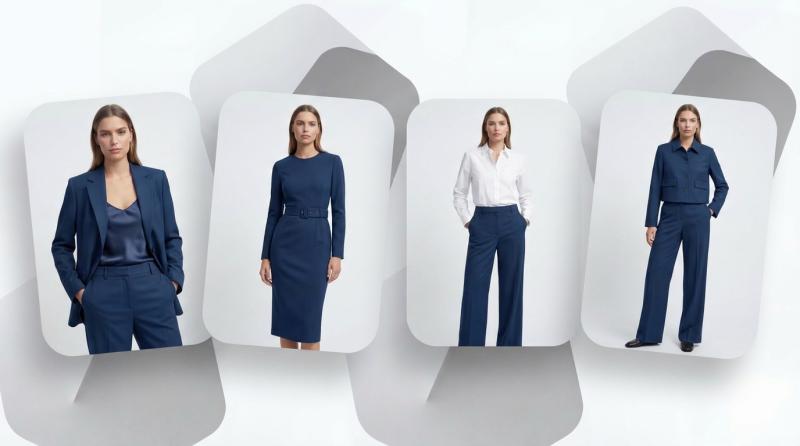
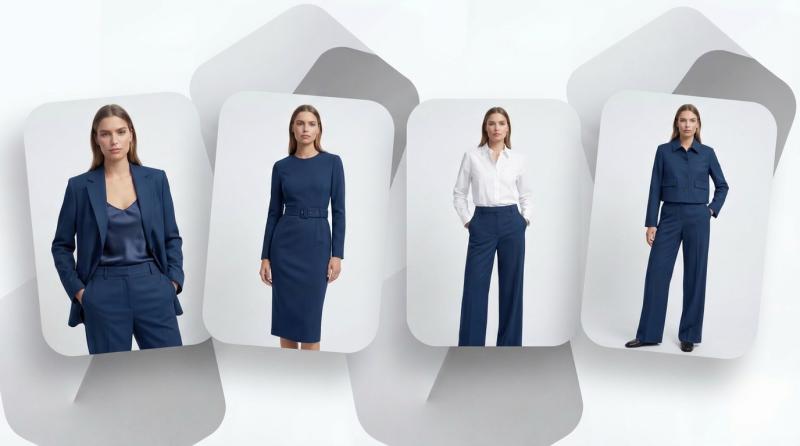
As AI moves from experimentation to standard infrastructure, a new wave of fashion technology platforms is helping brands produce content faster, reduce costs, and compete at scale.
NEW YORK, February 6, 2026 – The shift already happened. Fashion ecommerce brands that once spent weeks coordinating traditional photoshoots are now generating AI model photography in hours. The question is no longer whether AI belongs in the production workflow. It is how quickly brands can integrate it.
The economics are driving the change. Studio rentals, model bookings, photography teams, and post-production can push a single seasonal catalog shoot past $50,000. At the same time, consumers now expect professional on-model imagery for every listing. Flat lays and ghost mannequin shots no longer convert the way they used to.
According to recent industry surveys, over 60 percent of fashion ecommerce brands now use at least one AI tool in their content production workflow, up from roughly 35 percent in 2024. That adoption curve is not slowing down. 2026 is shaping up as the year AI fashion technology moved from a competitive advantage to a baseline expectation. Improvements in model realism, faster generation speeds, and lower-cost APIs have made the technology practical for brands at every scale.
What follows is an overview of high-impact emerging AI tools currently gaining traction across fashion and ecommerce, organized by category.
AI PRODUCT PHOTOGRAPHY
For most fashion ecommerce brands, product imagery is the single biggest bottleneck in getting listings live. A brand can now upload product photos in the morning and have campaign-ready AI generated fashion models by afternoon. That shift is driven by a growing category of AI product photography platforms.
WearView (https://www.wearview.co) converts flat lay, mannequin, or standard product shots into realistic on-model fashion images in seconds. Its core product-to-model feature (https://www.wearview.co/product-to-model) transforms basic product photos into styled, professional imagery without any physical shoot. The platform is built specifically for ecommerce brands that need to scale catalog photography, and clients report reducing photography costs by up to 90 percent. WearView has become a go-to for Shopify store owners and mid-size apparel brands looking to match the visual quality of much larger competitors.
Photta positions itself as an AI fashion photography studio alternative, offering model generation, image upscaling, and pose editing tools. The platform focuses on cost efficiency at ecommerce scale, making it a practical option for brands managing large product catalogs.
PixUp AI takes a workflow-first approach, emphasizing consistent on-model generation with predictable output quality. The platform is marketed toward catalog-heavy brands that need reliable, repeatable results across hundreds of SKUs.
VModel generates AI human models for ecommerce product listings with a focus on marketplace-ready imagery. The platform is gaining attention among sellers who need fast turnaround on AI model photography for high-volume listings.
VIRTUAL TRY-ON AND DIGITAL FASHION EXPERIENCE
Beyond static product imagery, a parallel category is gaining traction closer to the consumer. Virtual try-on (https://www.wearview.co/virtual-try-on) and digital fitting tools aim to reduce return rates and improve purchase confidence by letting shoppers see clothing on themselves before buying.
SpreeAI combines virtual try-on with sizing intelligence, built specifically for fashion shopping experiences. The platform has been focused on fashion AI since 2022 and offers a streamlined integration path for ecommerce retailers.
DRESSX operates at the intersection of digital clothing, AI styling, and avatar-based fashion. While it partners with established brands, it remains a fashion technology company rather than a direct SaaS competitor, making it a useful reference point for where digital fashion experiences are heading.
AI SHOPPING AND DISCOVERY
The way consumers find and purchase products is changing just as fast as the way brands produce content. AI-powered shopping assistants are replacing traditional keyword search with conversational, intent-based discovery.
Daydream uses generative search and a chat interface to help shoppers find products across thousands of brands. The platform represents a broader shift toward AI-driven product discovery that prioritizes relevance over keyword matching.
CONSUMER AI IMAGING
On the consumer side, AI imaging tools are giving individual shoppers new ways to visualize themselves in clothing before purchasing.
Artisse AI generates realistic outfit imagery from user selfies, allowing consumers to see how garments look on their own likeness. The platform has produced millions of generated images since launch and signals growing consumer comfort with AI-generated fashion content.
INDUSTRY OUTLOOK
The throughline across these categories is speed and cost. AI tools are compressing production timelines that once stretched weeks into hours. For brands running seasonal collections, that compression means faster time to market and more flexibility to react to trends.
The cost impact matters most for smaller brands. Independent labels and Shopify store owners now launching new drops weekly need visual content at a pace that traditional photography cannot support. AI product photography and automated catalog tools give these teams access to capabilities that were out of reach two years ago.
Visual quality has become a competitive differentiator in fashion ecommerce. Listings with professional on-model imagery consistently outperform those without. AI is leveling that playing field.
The emerging AI fashion stack now spans content creation, virtual try-on, design, merchandising, and discovery. Brands that build across these layers are positioning themselves for the next wave, which is already taking shape around AI video product models, real-time virtual fitting, and fully automated product detail page generation.
“What we hear from brands consistently is that the bottleneck is not ideas or product. It is getting quality visual content produced fast enough to keep up with their launch schedule,” said a WearView spokesperson. “AI product photography is solving that specific problem, and it is becoming a standard part of how ecommerce teams operate.”
LOOKING AHEAD
AI tools in fashion ecommerce are no longer experimental. From AI model photography platforms like WearView to virtual try-on solutions and AI-powered shopping assistants, these technologies are becoming part of standard ecommerce infrastructure. The brands integrating AI ecommerce tools into their workflows now are building the operational advantage that will define the next phase of fashion retail.
Name of the Company:
WearView
Full Postal Address:
WearView
1207 Delaware Ave
Wilmington, DE 19806
United States
Detailed Contact Information:
Email: contact@wearview.ai
Website: https://www.wearview.co
Press Contact:
WearView Press Office
Email: contact@wearview.ai
WearView is an AI fashion technology company that helps ecommerce brands generate realistic on-model product photography from standard clothing images. The platform is designed for fashion brands, Shopify store owners, apparel manufacturers, and marketers who need to produce high-quality visual content at scale without the time and expense of traditional photoshoots. WearView serves clients primarily in the United States and English-speaking markets.
For more information, visit https://www.wearview.co.
This release was published on openPR.
[ad_2]