[ad_1]
Ericsson, FET (Far EasTone), and OPPO have confirmed that 5G SA network slicing can now support performance-based connectivity models.
Mobile operators face ongoing pressure to monetise their 5G infrastructure beyond standard connectivity fees. While network coverage is extensive, premium service tiers that guarantee specific performance levels are still rare.
Most consumer mobile services currently operate on a “best-effort” basis. High traffic volumes frequently lead to congestion and degraded user experiences. This variability prevents operators from guaranteeing throughput for business-critical applications.
Ericsson ConsumerLab data shows that 40 percent of consumers identify moments when they would select guaranteed performance, with approximately half willing to pay for it. The difficulty has been delivering this assurance dynamically without manual intervention.
Testing 5G slicing in high-density environments
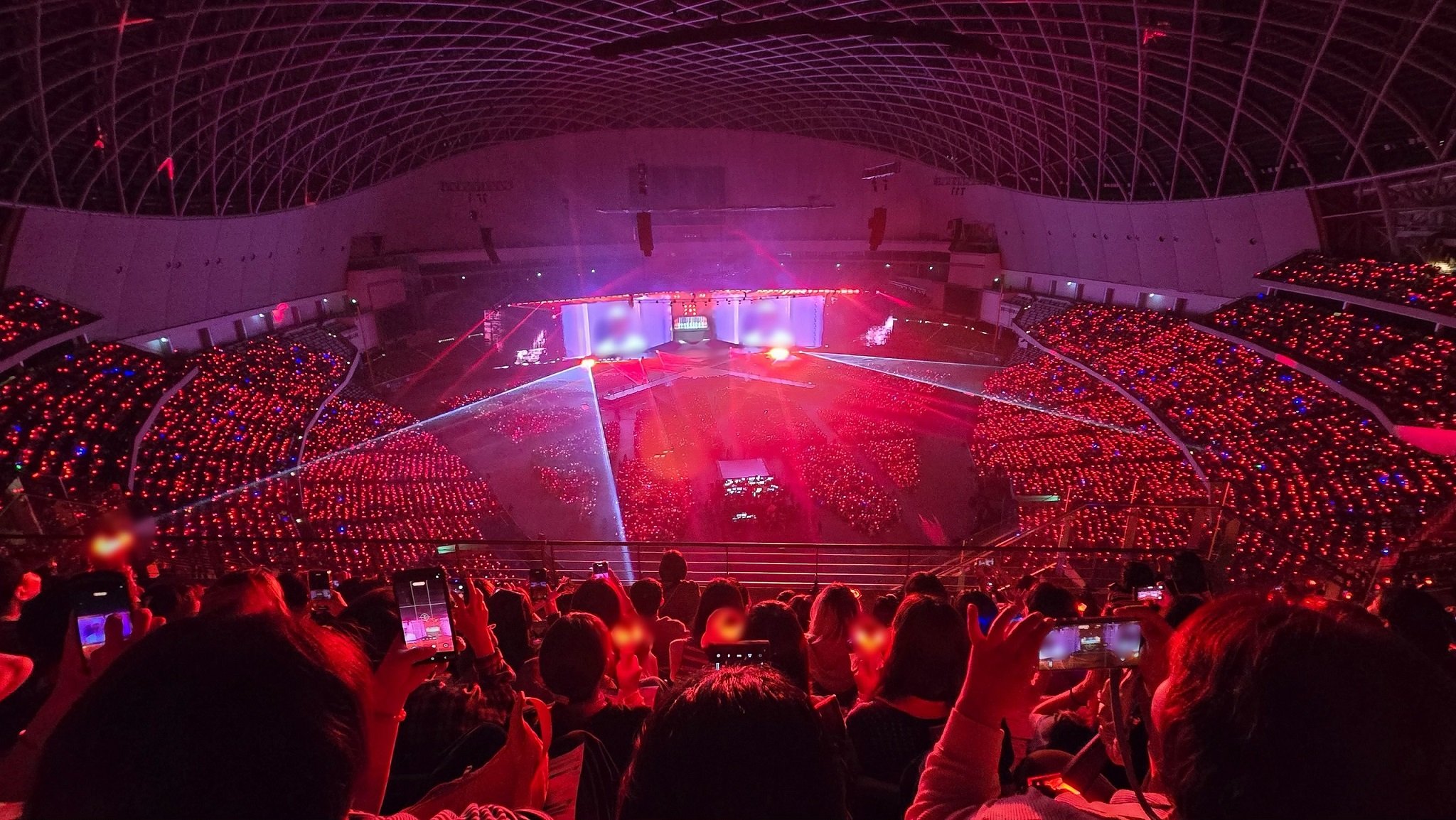
The validation occurred on FET’s live 5G SA network during a concert at the Taipei Dome. The venue hosted 40,000 attendees, creating a high-density environment suitable for stress testing differentiated connectivity. The setup integrated the network core with OPPO handsets running specific on-device AI.
The system functions by having the device AI identify in-app experience degradation in real-time. Upon detection, the device activates a User Equipment Route Selection Policy (URSP) to trigger application slicing.
A layered API architecture then adjusts the radio resource policy, moving the user from a congested standard slice to a performance-guaranteed 5G network slice. During the trial, this mechanism allowed users to maintain connection stability for live streaming and latency-sensitive interactions despite the heavy network load.
Chee Ching, President of FET, said: “Far EasTone and Ericsson have been long-standing partners, working closely to continuously enhance the network experience for our users.
“We are pleased to collaborate with OPPO to validate an innovative differentiated connectivity service in a large-scale concert environment by enabling customised 5G connectivity with lower latency and higher efficiency.”
Device-side intelligence and API integration
Integrating AI at the device level changes how Quality of Service (QoS) is managed. Rather than the network estimating quality based on packet metrics, the handset reports actual application performance.
Vincent Liu, CEO of OPPO Taiwan AED, commented: “AI enables real-time, on-demand in-app performance enhancements to deliver a better user experience when it matters most.”
This architecture supports the industry adoption of standardised APIs. By using these APIs to request resources, operators can monetise specific performance tiers.
David Chou, President of Ericsson Taiwan, said: “5G Standalone provides the foundation for differentiated connectivity at scale, enabling guaranteed performance through network slicing and standardised APIs.”
Commercial models for enterprise connectivity
IT leaders may soon procure mobile connectivity differently. Programmable networks allow for application-specific metrics tailored to usage patterns. This capability applies to scenarios ranging from latency-sensitive gaming to real-time data sharing at major events .
The 5G network slicing trial supports a “B2B2C” business model. In this framework, an application developer or service provider pays for the connectivity upgrade, bundling the cost into the user fees. This approach reduces time-to-market for performance-based services. It also allows CSPs to monetise differentiation and device makers to distinguish their hardware capabilities.
“Looking ahead, we are focused on helping CSPs fully unlock the potential of 5G SA, transforming network performance into commercial services that can be monetised with confidence and drive sustainable long-term growth,” states David Chou.
See also: AT&T integrates AWS cloud with fiber and satellite networks
Want to learn about the IoT from industry leaders? Check out IoT Tech Expo taking place in Amsterdam, California, and London. The comprehensive event is part of TechEx and is co-located with other leading technology events including AI & Big Data Expo and the Cyber Security Expo. Click here for more information.
Telecoms is powered by TechForge Media. Explore other upcoming enterprise technology events and webinars here.
[ad_2]