[ad_1]
Telecom networks built by vendors such as Nokia are designed to last decades, but the rules that govern them are changing much faster. Decisions about who supplies network equipment, where components come from, and which countries are trusted partners are no longer shaped only by cost or performance. They are now tied to security concerns, trade policy, and shifting alliances between governments.
That shift is forcing the telecom industry to confront a basic question: how much independence is realistic in a global system built on shared technology.
In that context, comments from Pekka Lundmark, chief executive of Nokia, offer a clearer view of how telecom network vendors are responding to these shifts. Speaking in a recent interview with Reuters, Lundmark described the relationship between Europe and the United States as one of “co-dependence,” particularly when it comes to technology supply chains and secure network equipment. His remarks reflect how telecom infrastructure planning is changing across Western markets.
At a practical level, telecom networks are no longer treated as simple infrastructure. Governments now see them as part of national security, economic policy, and industrial strategy. This has already reshaped procurement decisions in many countries, especially after restrictions placed on some Chinese vendors over the past few years. The result is a narrower pool of suppliers—and greater pressure on those that remain.
Lundmark’s argument is that Europe and the US are too closely linked to act in isolation. “We are co-dependent,” he said, pointing to shared interests in areas such as advanced semiconductors, software, and network equipment. While policy debates often focus on self-sufficiency, the telecom sector still relies on components and expertise that cross the Atlantic in both directions.
Long-term network planning under tighter constraints
This matters for operators planning long-term network investments. Rolling out 5G and preparing for future network upgrades requires stable access to hardware, software updates, and support over many years. Sudden shifts in trade rules or export controls can delay deployments or raise costs, especially when alternatives are limited.
That risk is compounded by how concentrated the market has become. According to figures from Dell’Oro Group, just a handful of vendors account for the majority of global radio access network (RAN) spending. In markets where Chinese suppliers are restricted, operators often have two or three realistic choices. That concentration increases the importance of political alignment between supplier countries and customer markets.
Lundmark’s comments also touch on a deeper concern: Europe’s position in the global tech supply chain. While European firms remain strong in telecom equipment, the region depends heavily on the US for advanced chips and cloud infrastructure. At the same time, US tech firms rely on European markets and regulatory approval to scale their products globally. Efforts to pull these systems apart risk creating inefficiencies on both sides.
Recent policy moves highlight this tension. The European Union has pushed for greater “strategic autonomy” in critical technologies, while the US has expanded export controls tied to national security. In telecom, these goals often collide with the realities of how networks are built and maintained. Equipment may be assembled in one country, run software from another, and depend on chips designed elsewhere.
Telecom network security goals, cost pressure, and shared risk
For telecom operators, the challenge is less about politics and more about execution. Network planning cycles run for decades, not election terms. Operators need confidence that vendors can deliver upgrades, security patches, and spare parts over the full life of a network. Any uncertainty in supply chains becomes a business risk.
Security concerns remain central to these decisions. Governments in Europe and North America have argued that reducing reliance on high-risk vendors lowers exposure to espionage or disruption. At the same time, narrowing the supplier base can introduce other risks, such as reduced competition and slower innovation. Balancing those trade-offs has become one of the defining issues in telecom policy.
Lundmark’s remarks suggest that closer alignment between Europe and the US could help manage those risks, rather than eliminate them outright. Shared standards, coordinated rules, and predictable trade relationships may give operators more stability than a push for full independence ever could.
There is also a cost dimension. Telecom operators are already under pressure from high energy prices, rising labour costs, and flat consumer revenues in many markets. According to the GSMA, global mobile revenue growth has remained modest even as data traffic continues to rise. Any increase in equipment costs or deployment delays feeds directly into that margin squeeze.
Looking ahead, the debate over co-dependence is likely to intensify as networks become more software-driven. Cloud-native cores, open RAN initiatives, and AI-based network management all deepen ties between telecom equipment and broader tech ecosystems—many of which are dominated by US firms. Attempts to separate these systems may prove harder than expected.
For now, Lundmark’s message reflects how Nokia sees the current reality facing telecom networks. Telecom networks sit at the intersection of technology, policy, and economics. Europe and the US may talk about independence, but in practice, their telecom futures remain closely linked. How they manage that link will shape not just who supplies the next generation of networks, but how resilient and affordable those networks are for years to come.
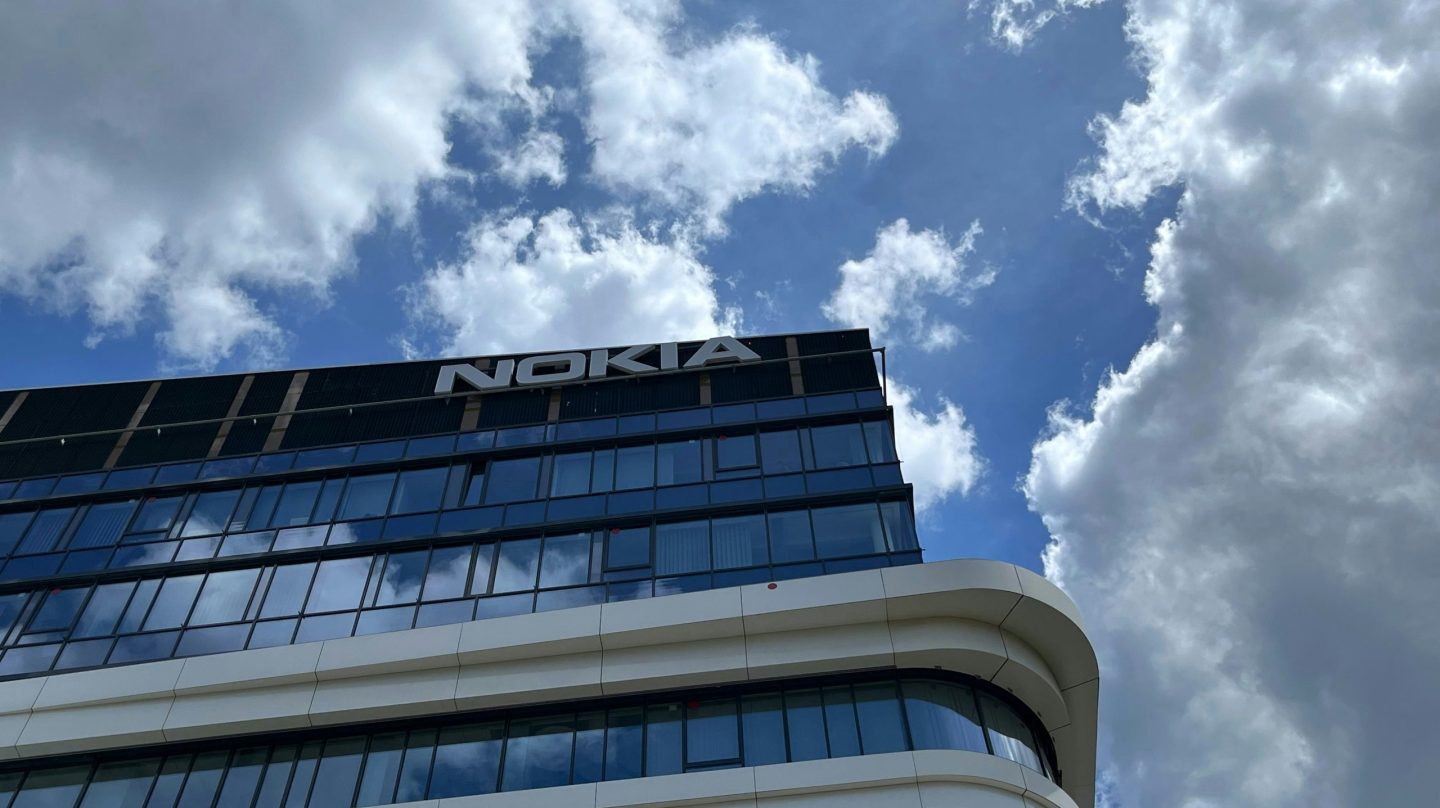
(Photo by M. Rennim)
See also: Telecom operators are putting more money into AI infrastructure
Want to discover how IoT is transforming telecoms and connectivity? Join the IoT Tech Expo in Amsterdam, California, and London. Explore how innovations in 5G, edge computing, and IoT are shaping the future of networks and services. The event is part of TechEx and co-located with other leading technology conferences. Click here for more information.
Telecoms News is powered by TechForge Media. Explore other upcoming enterprise technology events and webinars here.
[ad_2]