[ad_1]
Last Updated:
Top intelligence sources told CNN-News18 that Munir’s choice of location, timing and optics reflect a much deeper strategic signal extending beyond routine field inspections.
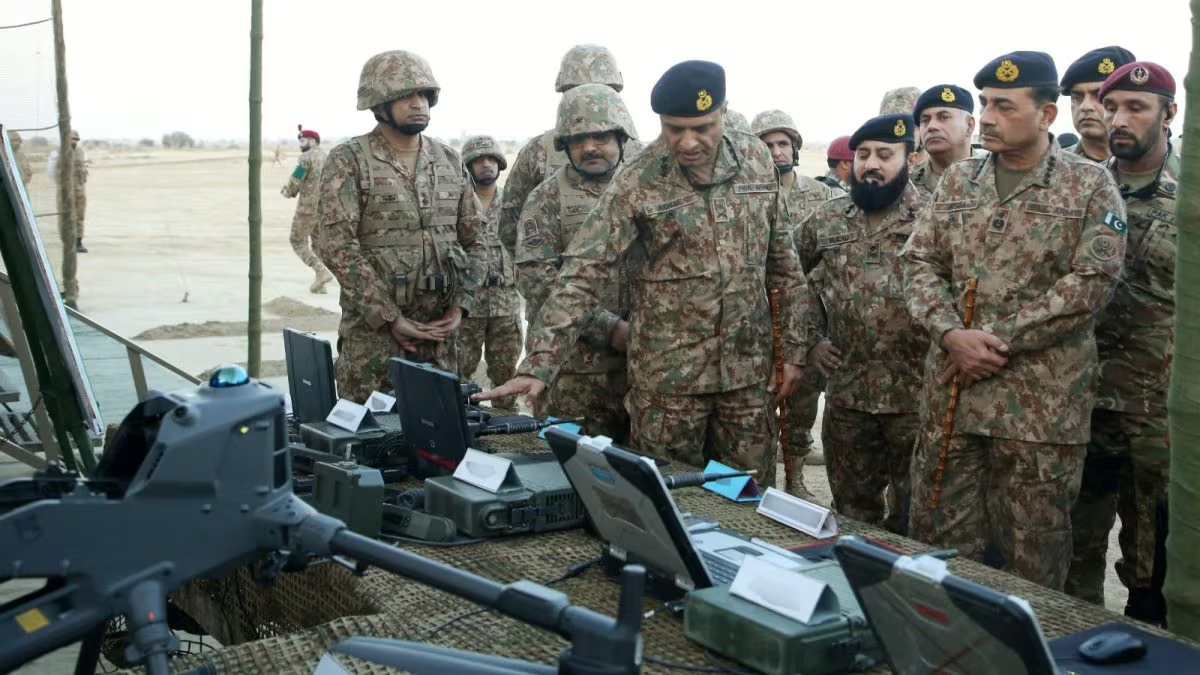
Chief of Army Staff and Chief of Defence Forces, Field Marshal Asim Munir inspects during visit to Bahawalpur Garrison. (ISPR)
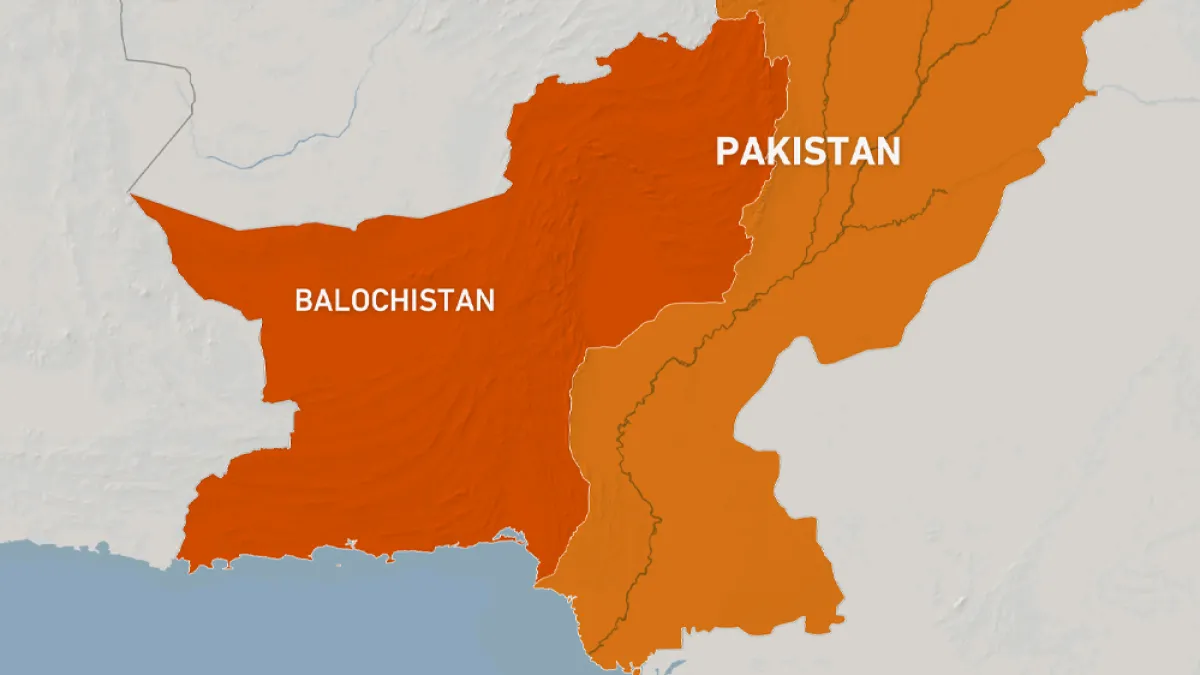
Pakistan Army chief General Asim Munir’s visit to the Bahawalpur garrison has been presented publicly as a routine inspection. However, top Indian intelligence sources told CNN-News18 that the choice of location, timing and optics reflect a much deeper strategic signal, one aimed at reaffirming Rawalpindi’s traditional linkages with the Jaish-e-Mohammed (JeM).
Bahawalpur is not just a corps headquarters. It is a politically and ideologically sensitive military zone long regarded as the operational nerve centre of Jaish-e-Mohammed. Indian intelligence officials point out that the area has taken on heightened significance after India targeted the Jaish headquarters in Bahawalpur during Operation Sindoor last year. In that context, the Army chief’s high-profile presence here carries layered messaging.
During the high-intensity field exercise Steadfast Resolve at Khairpur Tamewali, Munir oversaw demonstrations involving drones, electronic-warfare systems and advanced surveillance assets — technology that Pakistan is keen to showcase as part of its shift toward multi-domain warfare. His repeated references to “mental transformation” and modern readiness appear aimed at reassuring troops at a moment when Pakistan’s conventional posture is under scrutiny.
“In future, technological manoeuvres will replace physical manoeuvres and will fundamentally alter the way offensive and defensive operations are undertaken. Therefore, the Pakistan Armed Forces are embracing and absorbing technology at a rapid pace. In this process innovation, indigenisation and adaptation shall remain fundamental,” he said.
Earlier, he inaugurated the ROHI eSkills Learning Hub (STP) aimed at promoting digital skills and learning opportunities for students, particularly from southern Punjab and across the country. Pakistani officials framed this as a development-oriented outreach, but Indian assessments view it as an attempt to soften the optics of what they describe as a security-heavy and politically sensitive visit.
According to sources, Bahawalpur remains an operational and ideological anchor for JeM, and the Army chief’s presence there functions as a symbolic reassurance to the group.
The public focus on drones and future warfare is seen as messaging directed externally, especially at India. But the choice of Bahawalpur as the venue primarily serves a domestic and non-state audience, signalling that Pakistan’s traditional assets and long-standing alignments with terror networks remain protected.
Sources also note that the optics of the visit, rather than the drills themselves, are the real message. At a time when Pakistan is attempting to project deterrence and stability, Rawalpindi’s decision to centre a major military exercise in Bahawalpur is being interpreted as a deliberate reaffirmation of old partnerships that continue to shape its security landscape.
January 29, 2026, 17:16 IST
Read More
[ad_2]