[ad_1]
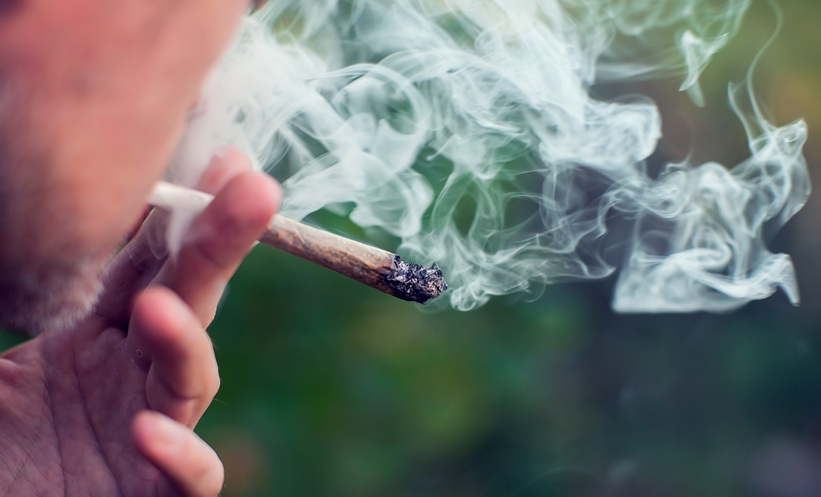
CANNABIS smoking, increasingly common in the era of legalisation, may have measurable effects on respiratory health. A recent cross-sectional study explored the clinical and airway epithelial consequences of cannabis use, revealing links between high exposure and impaired lung function, abnormal imaging findings, and altered immune responses.
Worse Symptoms and Lung Function in Heavy Cannabis Smokers
The study examined 139 cannabis smokers stratified by cumulative exposure: low (≤5 joint-years), moderate (>5–20 joint-years), and high (>20 joint-years), and compared them with 57 never-smokers. Participants reported respiratory symptoms via questionnaires and underwent standard lung function tests, chest CT scans, and advanced hyperpolarised 129Xenon MRI.
Results showed that cannabis smokers reported significantly more respiratory symptoms than never-smokers, particularly those with high joint-year exposure. These participants exhibited lower pre-bronchodilator forced expiratory volume in 1 second to forced vital capacity (FEV1/FVC) ratios and reduced mid-expiratory flows, indicative of airflow obstruction. Imaging revealed increased radiographic emphysema and ventilation abnormalities, highlighting real-world functional consequences of heavy cannabis smoking.
Cannabis Use Drives Immune Dysregulation in the Airway Epithelium
Bronchoscopic airway epithelial brushings demonstrated molecular changes linked to cannabis use. High-exposure participants had increased type 2 immune signatures and reduced type 17 immune responses, alongside elevated MUC5AC gene expression. In air–liquid interface cell cultures, MUC5AC protein levels correlated with poorer lung function and imaging abnormalities, suggesting that cannabis smoking drives mucin overproduction and local immune dysregulation.
Implications for Clinical Practice
While causality cannot be confirmed, these findings offer important insights for clinicians. High cannabis exposure appears associated with symptomatic respiratory disease, airflow limitation, and epithelial immune alterations that could predispose to chronic lung pathology. Clinicians should consider detailed substance-use histories, particularly in patients presenting with unexplained respiratory symptoms, and counsel on potential long-term airway risks.
A Call for Ongoing Monitoring
As cannabis use rises globally, these findings underline the importance of monitoring respiratory health among users. Further longitudinal studies are needed to determine the progression of lung injury and the potential reversibility of immune and functional changes with reduced cannabis exposure.
Reference
Leung C et al. Clinical, physiological, imaging and molecular responses to cannabis smoking: the Canadian Users of Cannabis Smoke (CANUCK) study. Eur Respir J. 2026;67(1):2501659.
[ad_2]